
Transforming Spaces: Case Studies of Successful Projects in Lisboa


Revitalizing Historical Buildings
Lisboa is a city rich in history, and its architectural heritage is a testament to its vibrant past. One of the most exciting transformations has been the revitalization of historical buildings. These projects not only preserve the cultural essence but also breathe new life into the urban landscape. A notable example is the transformation of an old textile factory into a modern art gallery. This project successfully retained the building's original façade while integrating contemporary design elements.
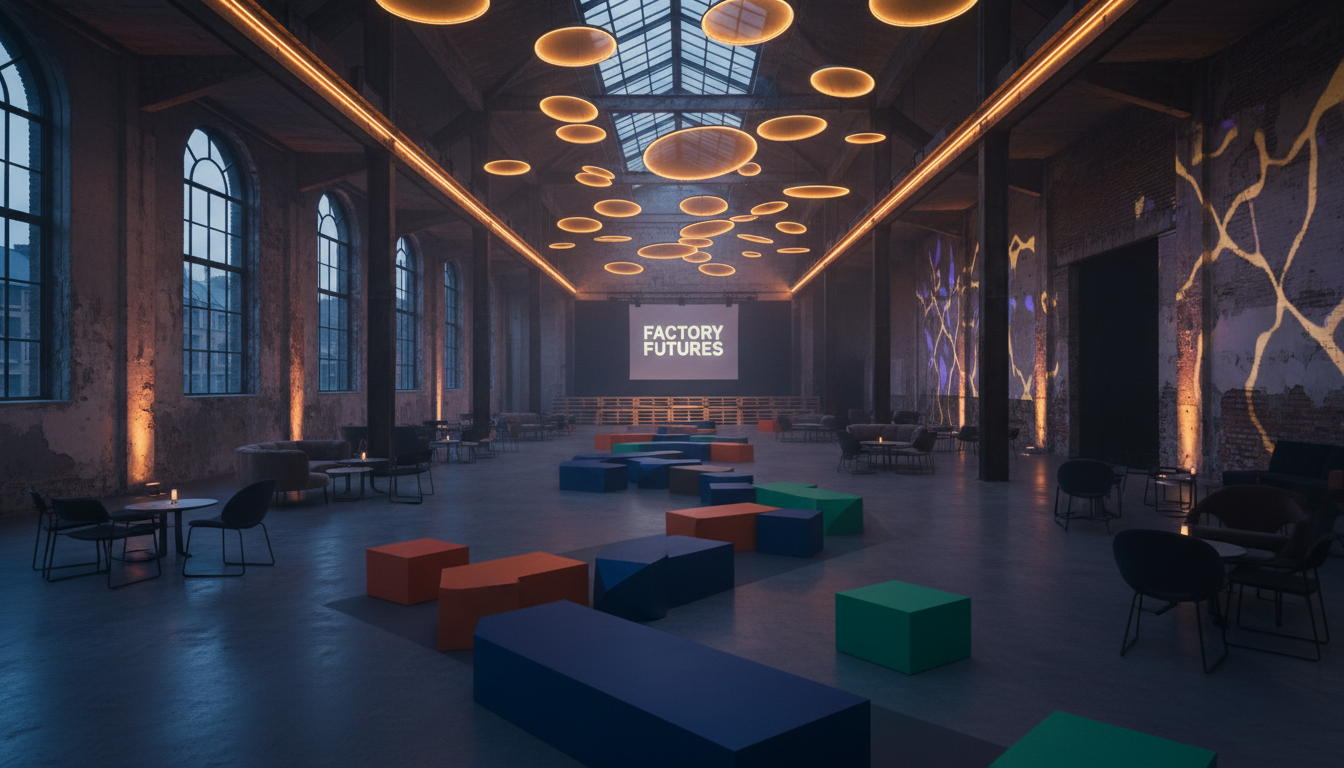
The project involved meticulous planning and collaboration with historians to ensure that the architectural integrity was maintained. The integration of sustainable materials and energy-efficient technologies further enhanced the building’s appeal, making it a model for future renovations.
Urban Green Spaces
In a bustling city like Lisboa, creating urban green spaces is crucial for improving the quality of life. One standout project is the conversion of a neglected industrial area into a lush public park. This initiative transformed an eyesore into a vibrant community hub, complete with walking trails, playgrounds, and picnic areas.
The project was a collaborative effort between local authorities, environmentalists, and the community. The inclusion of native plant species and eco-friendly irrigation systems exemplified the commitment to sustainability. This green space now serves as a sanctuary for residents and visitors alike, promoting physical activity and social interaction.
Cultural Centers and Community Hubs
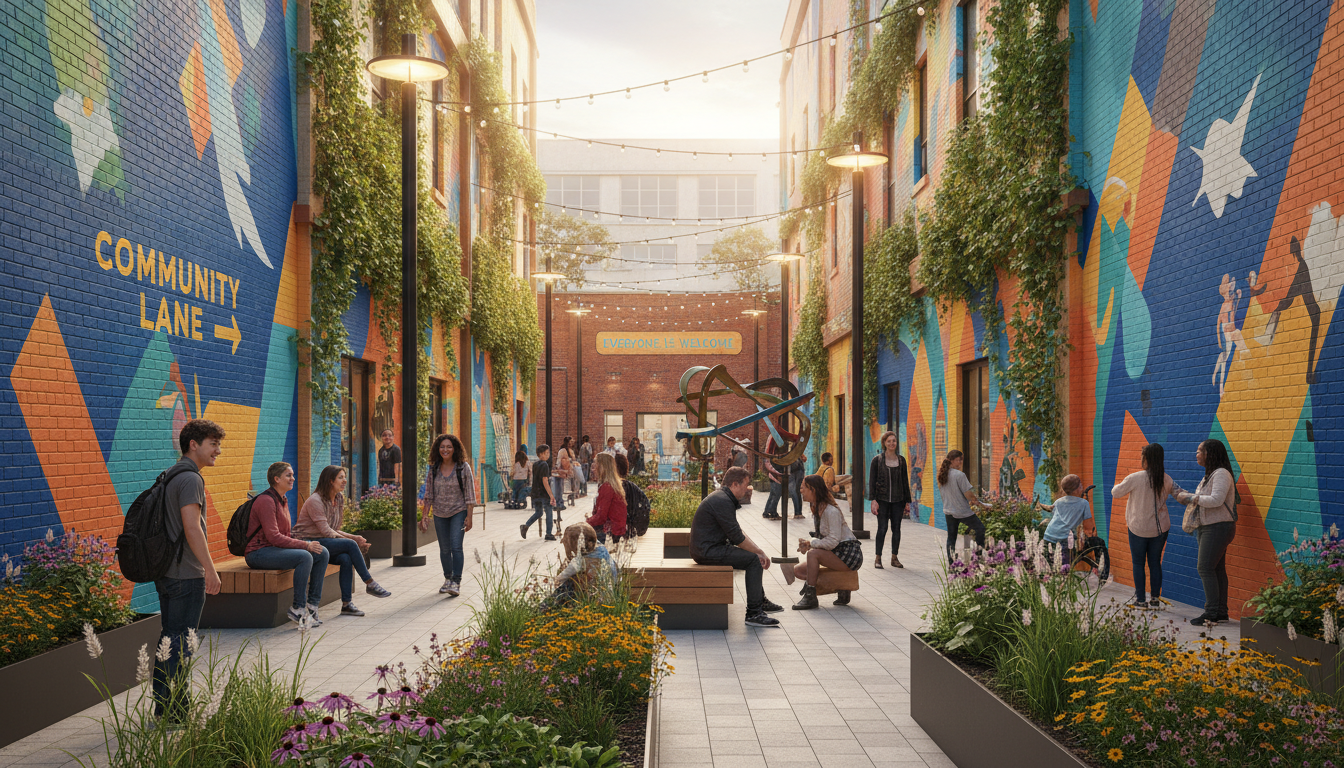
The creation of cultural centers from old warehouses and unused buildings has been another significant trend in Lisboa. These spaces now host a variety of activities, including art exhibitions, music performances, and workshops. One such project transformed a former shipyard into a dynamic cultural venue.
This transformation involved engaging local artists and artisans to contribute to the design and functionality of the space. The result is a vibrant community hub that celebrates local talent and fosters cultural exchange. The center has become a popular destination for both locals and tourists, enriching the city's cultural landscape.

Residential Innovations
Residential spaces in Lisboa are also undergoing innovative transformations. A prime example is the conversion of traditional apartments into modern co-living spaces. These projects cater to the growing demand for flexible living arrangements, particularly among young professionals and students.
These co-living spaces prioritize functionality and community, offering shared amenities such as kitchens, lounges, and workspaces. The use of smart home technologies enhances convenience and sustainability, making these residential projects highly appealing.
Conclusion
The transformation of spaces in Lisboa is a testament to the city's commitment to innovation, sustainability, and cultural preservation. These successful projects not only enhance the urban environment but also improve the quality of life for residents and visitors. As Lisboa continues to evolve, these transformative projects serve as inspiring examples of what can be achieved through creativity and collaboration.