
Transforming Historical Buildings: Challenges and Opportunities in Lisbon


Preserving the Past: The Charm of Lisbon's Historical Buildings
Lisbon, a city renowned for its rich cultural heritage, is home to an array of stunning historical buildings. These structures, with their intricate architectural details and storied pasts, offer a glimpse into the city’s vibrant history. However, transforming these historical buildings to meet modern needs poses unique challenges and opportunities.
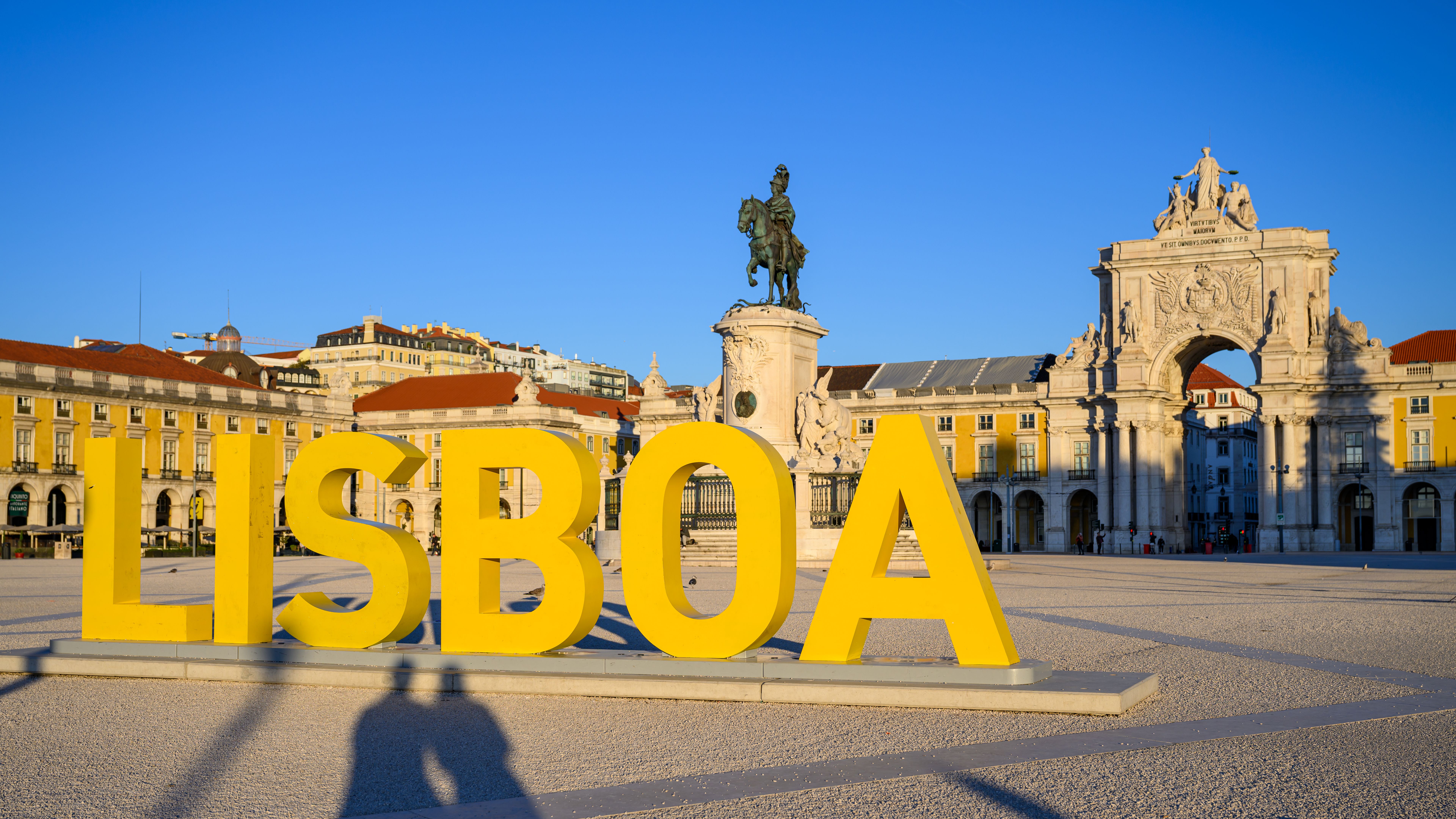
The Challenges of Transformation
One of the primary challenges in transforming historical buildings is maintaining their architectural integrity. Striking a balance between preserving original features and integrating modern amenities requires careful planning and expertise. Architects and developers often face restrictions on alterations, which can complicate renovation projects.
Additionally, many of these buildings were constructed with materials and techniques that are no longer in use today. This can make repairs difficult and costly, as specialized skills and materials may be required to maintain the authenticity of the original design.
Opportunities for Innovation
Despite the challenges, transforming historical buildings offers significant opportunities for innovation. By integrating sustainable technologies and practices, developers can enhance the functionality of these structures while reducing their environmental impact. This not only preserves the buildings but also makes them more energy-efficient and cost-effective in the long run.

Furthermore, the unique character and charm of historical buildings can be leveraged for commercial success. Many businesses are drawn to the distinctive appeal of these structures, seeing them as a way to differentiate their brand and attract customers.
Community Engagement and Cultural Significance
Transforming historical buildings also involves engaging with the local community. These buildings are often emblematic of a neighborhood’s identity, and any changes can have a profound impact on local culture and heritage. Community input is crucial in ensuring that renovations honor the past while serving present and future needs.
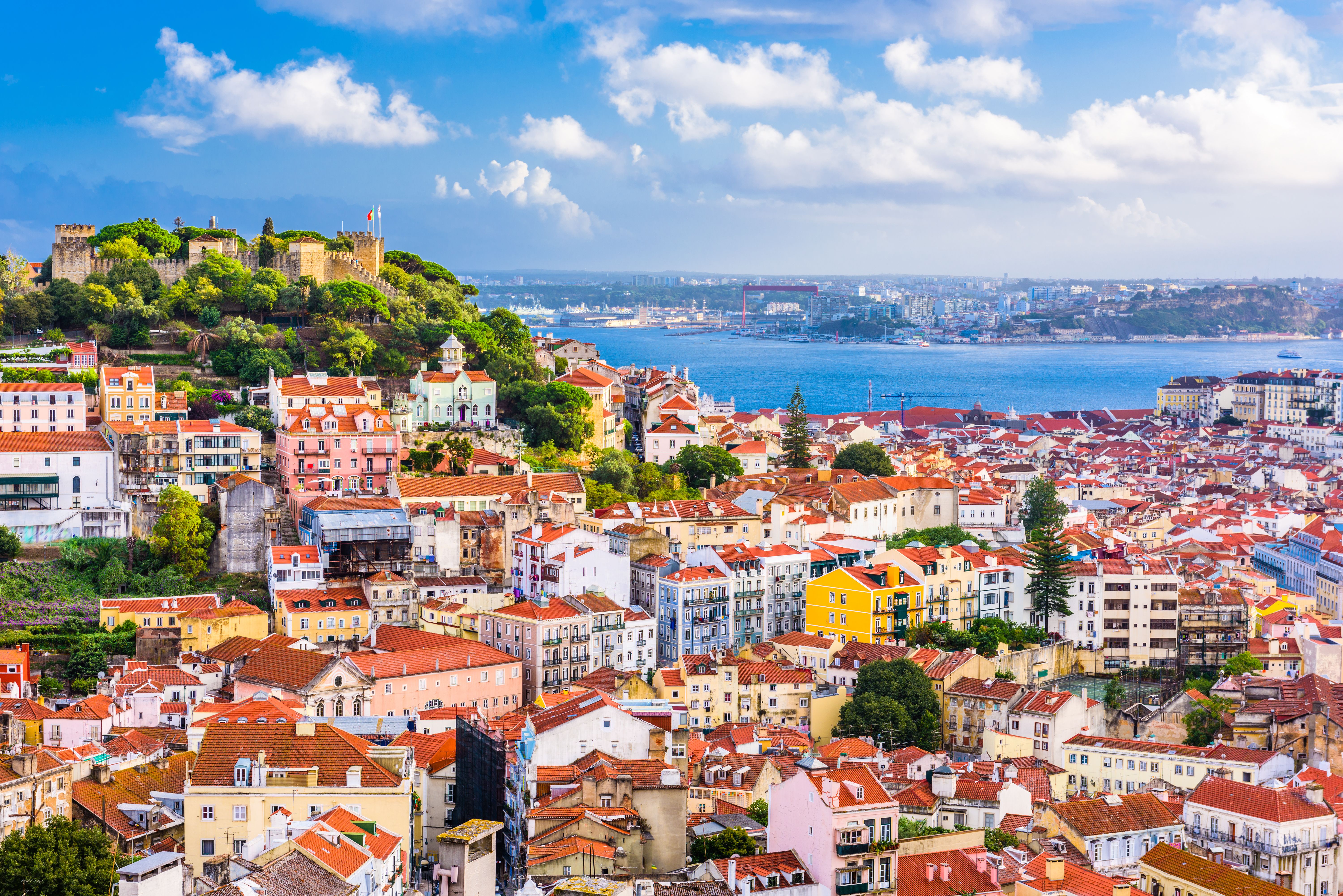
Moreover, revitalizing these buildings can boost tourism and local economies. As visitors flock to experience Lisbon’s historical charm, they contribute to the city’s cultural preservation efforts and economic growth.
Successful Transformations: Case Studies
Several successful transformations in Lisbon serve as inspiring examples. The adaptation of the LX Factory, a former industrial complex, into a creative hub is a testament to the potential of historical buildings. This space now thrives with artists, entrepreneurs, and visitors, demonstrating how innovative use of space can rejuvenate an area.
Similarly, the conversion of the Pombalino buildings in Baixa into modern apartments and retail spaces showcases how historical preservation can coexist with contemporary urban living. These projects highlight the potential for adaptive reuse to breathe new life into neglected structures.
Future Prospects
As Lisbon continues to evolve, the transformation of its historical buildings will remain a critical part of its urban landscape. By embracing both challenges and opportunities, developers can ensure that these iconic structures are preserved for future generations while contributing to the city’s vibrant and sustainable growth.
Ultimately, the successful transformation of Lisbon’s historical buildings relies on a collaborative effort between architects, developers, and the community. Together, they can create spaces that honor the past, serve the present, and inspire the future.