
The Role of Weather in Architectural Design: How Lisboa’s Climate Influences Building Choices


The Impact of Lisboa’s Climate on Architecture
Lisboa, the captivating capital of Portugal, is renowned not only for its rich history and vibrant culture but also for its distinctive architectural style. The city's climate plays a crucial role in shaping its buildings, influencing everything from materials to design aesthetics. Understanding this relationship is essential for architects and city planners who aim to create structures that harmonize with their environment.
Lisboa experiences a Mediterranean climate, characterized by hot, dry summers and mild, wet winters. This climate necessitates specific architectural adaptations to ensure comfort and sustainability. By examining these design choices, we can gain insights into how local weather patterns dictate architectural practices.
Design Strategies for Hot Summers
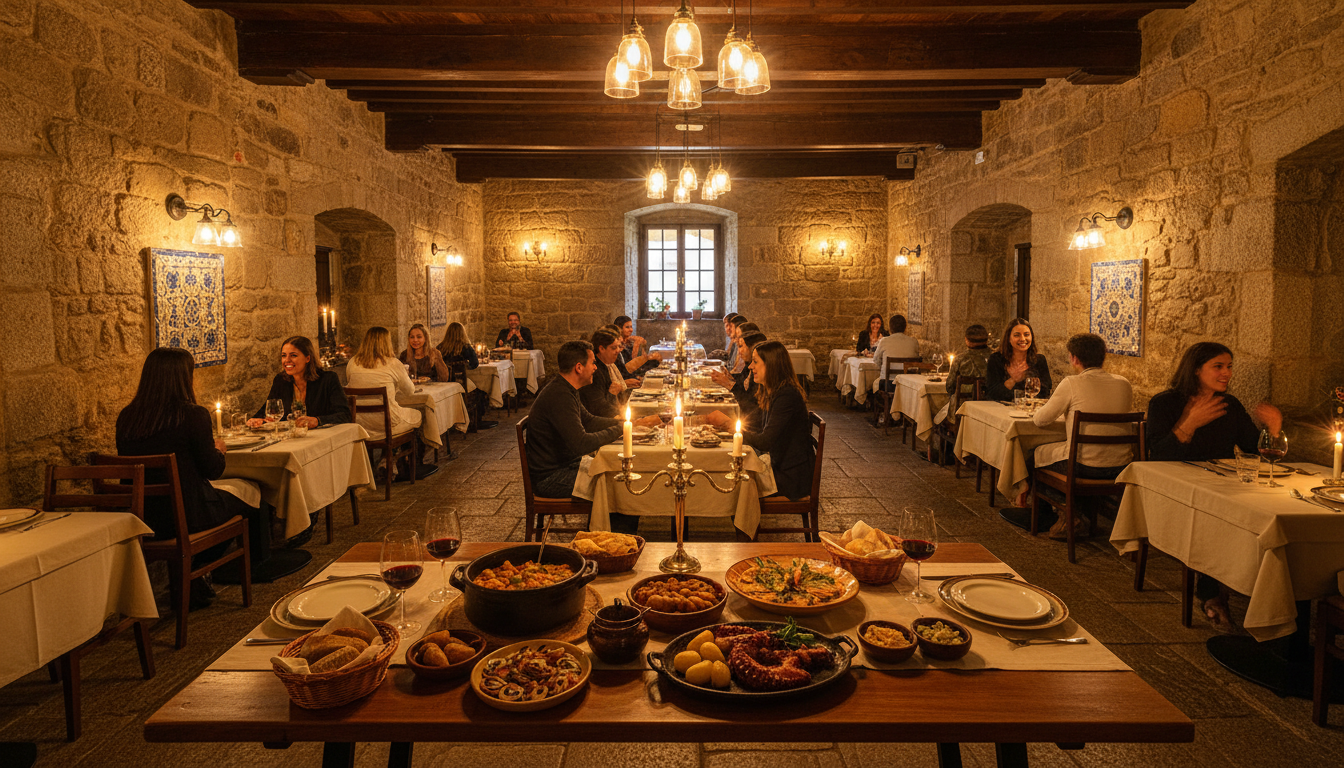
During Lisboa's intense summer heat, buildings must be designed to remain cool and comfortable. One prevalent strategy is the use of thick walls and small windows, which help to reduce heat gain and maintain a steady indoor temperature. Additionally, white or light-colored facades reflect sunlight, minimizing heat absorption.
Another common feature is the incorporation of shaded outdoor spaces. Covered terraces and verandas provide relief from the sun, allowing residents to enjoy the outdoors without overheating. These design elements are not only functional but also enhance the aesthetic appeal of Lisboa’s architecture.
Ventilation and Airflow
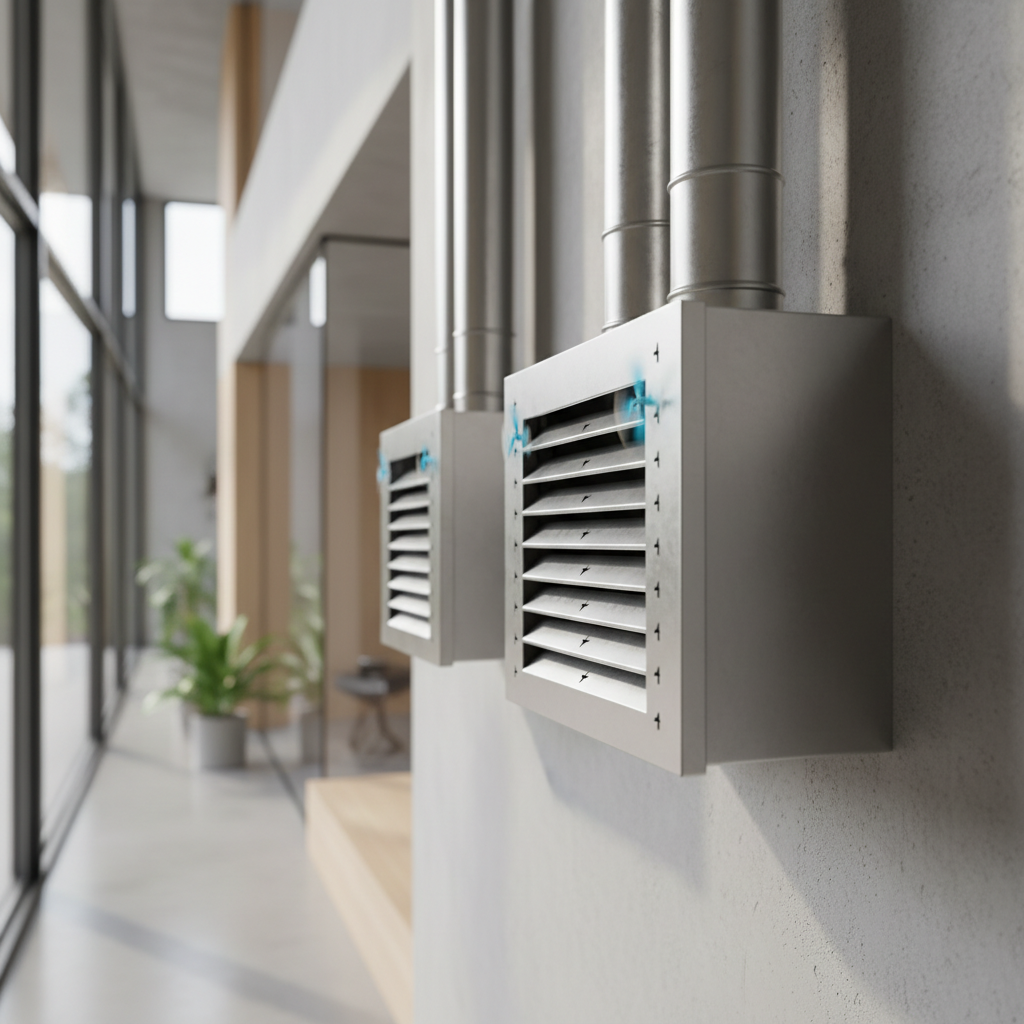
Proper ventilation is critical in countering the summer heat. Traditional Lisboa homes often include high ceilings and strategically placed windows to facilitate natural airflow. This passive cooling method reduces reliance on air conditioning, promoting energy efficiency and sustainability.
Addressing Mild, Wet Winters
Despite the predominance of sunny weather, Lisboa's winters can be damp and chilly. Buildings are designed to combat this by using materials that provide adequate insulation. Clay tiles and brickwork are common, offering both warmth and moisture resistance.
The inclusion of fireplaces and wood-burning stoves is also notable, providing a cozy, inviting atmosphere during the cooler months. These features are a testament to the adaptability of Lisboa’s architecture in response to seasonal climate variations.
Waterproofing and Drainage
Effective waterproofing and drainage systems are essential in dealing with winter rains. Sloped roofs with overhanging eaves help to channel rainwater away from the building, protecting the structure from water damage. Additionally, Lisboa's streets often feature intricate drainage systems to prevent flooding and maintain accessibility.

The Blend of Tradition and Innovation
Lisboa’s architectural landscape is a fascinating blend of tradition and modern innovation. While many buildings retain their historical charm, contemporary designs are emerging that incorporate advanced materials and technologies. These innovations aim to enhance energy efficiency and sustainability while respecting the city's architectural heritage.
Green roofs, solar panels, and smart home technologies are becoming more prevalent, reflecting a commitment to environmentally conscious design. This evolution demonstrates how Lisboa continues to adapt its architectural practices to meet the challenges of a changing climate.
The Future of Lisboa’s Architecture
As climate change impacts become more pronounced, the role of weather in architectural design will only grow in importance. Architects in Lisboa are increasingly prioritizing resilience and sustainability, ensuring that future structures are equipped to handle evolving environmental conditions.
By embracing both tradition and innovation, Lisboa offers a unique model of how cities can integrate climate considerations into their architectural practices, creating beautiful, functional, and enduring structures.