
The Role of Weather in Architectural Design: Adapting to Lisboa’s Climate


Lisboa, with its rich history and vibrant culture, is also known for its unique climate. Nestled along the Atlantic coast, the city experiences a Mediterranean climate with mild, rainy winters and hot, dry summers. This distinctive weather pattern plays a crucial role in shaping the architectural design of the city, influencing everything from building materials to structural layouts.
Understanding Lisboa's Climate
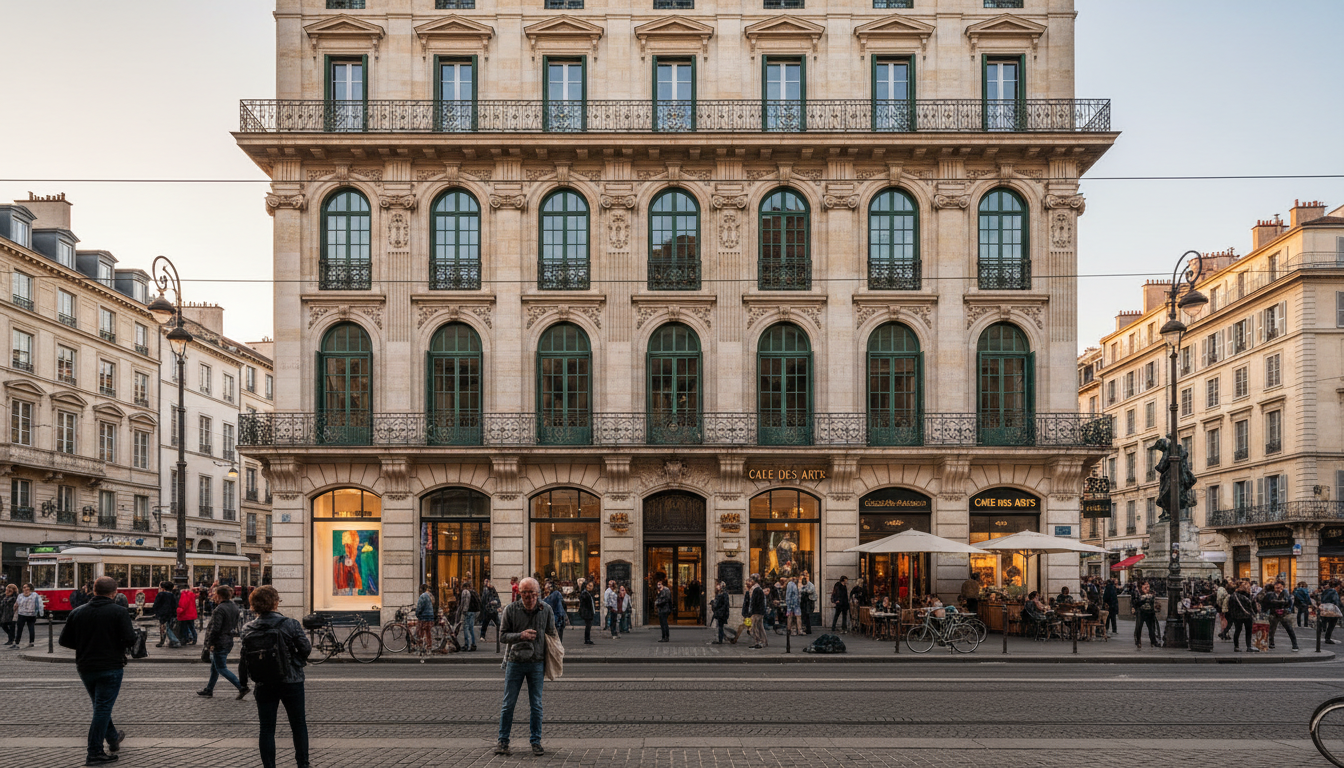
The key to successful architectural design in Lisboa lies in understanding its climate. The city enjoys over 2,800 hours of sunshine annually, making solar consideration an essential factor in building design. Additionally, the proximity to the Atlantic Ocean brings humidity and occasional strong winds, which architects must address to ensure the longevity and comfort of their structures.
Temperature fluctuations between seasons also necessitate thoughtful design. While summers can reach high temperatures, winters remain relatively mild. This requires buildings to incorporate features that provide both cooling and heating efficiently.
Design Strategies for Adapting to Weather
Ventilation and Cooling
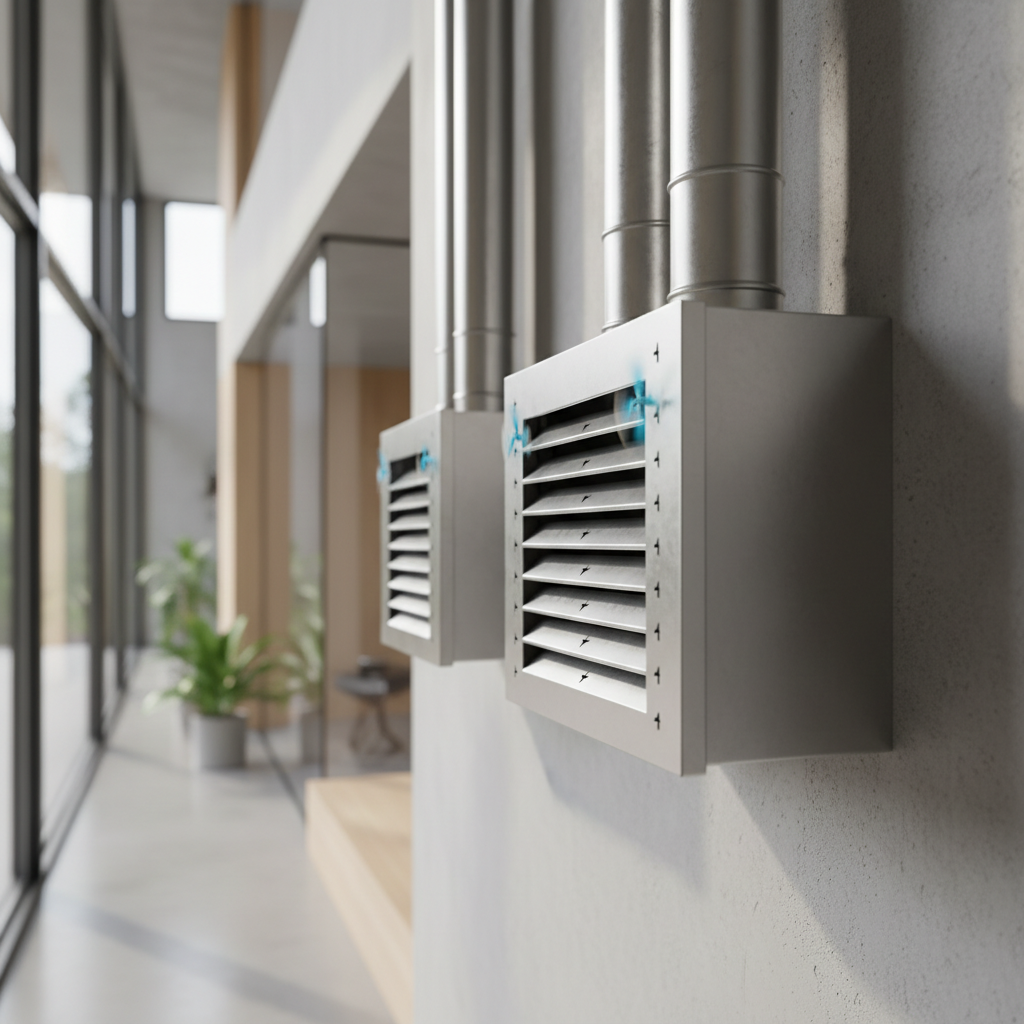
To combat the high summer temperatures, architects often incorporate natural ventilation strategies. Features such as cross-ventilation, where openings are placed on opposite sides of a building, allow for effective airflow and cooling. Courtyards and open atriums are also popular, providing shaded areas that help lower indoor temperatures.
Material Selection
The choice of materials is another critical consideration. In Lisboa, materials like stone and brick are favored for their thermal mass properties. These materials absorb heat during the day and release it slowly at night, helping to maintain a stable indoor temperature. Additionally, the use of reflective surfaces and light-colored materials can reduce heat absorption, keeping buildings cooler.
Rainwater Management
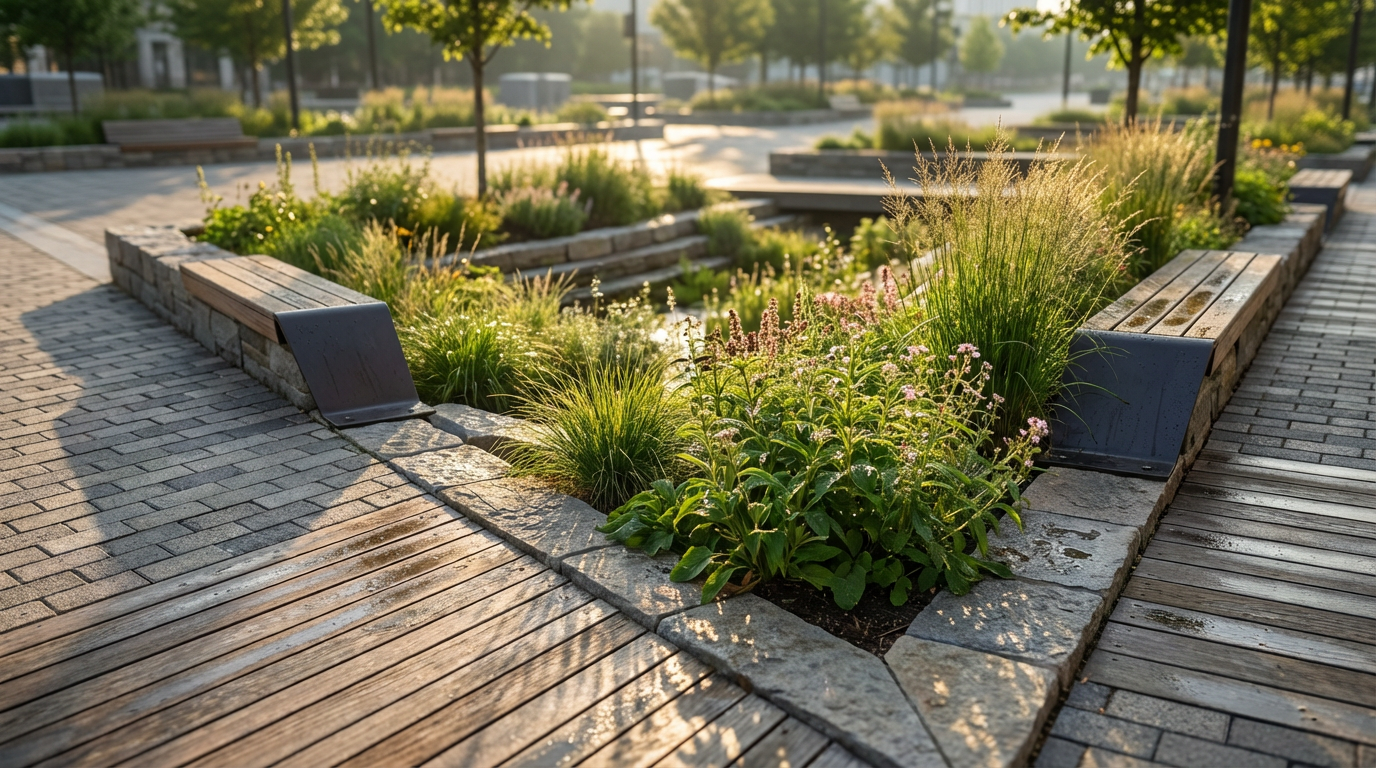
Given the rainy winters, effective rainwater management is essential. Lisboa’s architecture often includes sloped roofs and efficient drainage systems to prevent water accumulation and damage. Green roofs and rain gardens are becoming more popular, offering sustainable solutions for managing rainwater while enhancing urban biodiversity.
Incorporating Traditional and Modern Techniques
Lisboa’s architecture is a blend of traditional and modern techniques. The traditional azulejos, or ceramic tiles, not only add aesthetic value but also help in temperature regulation. Modern buildings often integrate these traditional elements with contemporary designs, creating a harmonious balance that respects the city’s heritage while addressing climate challenges.
Furthermore, the integration of technology, such as smart building systems, allows for real-time climate monitoring and adaptive responses. Automated shading systems and climate control technologies are increasingly used to enhance energy efficiency and comfort.
The Future of Architectural Design in Lisboa
As climate change continues to impact global weather patterns, the role of weather in architectural design remains more relevant than ever. Lisboa’s architects are at the forefront of developing innovative solutions that not only adapt to current climate conditions but also anticipate future challenges.
The city is becoming a hub for sustainable architectural practices, focusing on reducing carbon footprints and enhancing energy efficiency. This commitment to sustainability ensures that Lisboa’s architectural landscape will continue to evolve, blending tradition with innovation to meet the demands of its unique climate.