
The Role of Technology in Modern Architecture Design


Introduction to Technology in Architecture
In recent years, the landscape of modern architecture has been dramatically transformed by the integration of technology. From design to construction, technology plays a pivotal role in creating innovative and sustainable structures. The influence of technology extends beyond mere aesthetics, affecting functionality, energy efficiency, and even the way we experience architectural spaces.
Design and Visualization
One of the most significant impacts of technology in architecture is in the design and visualization phase. Advanced software tools, such as Building Information Modeling (BIM) and Computer-Aided Design (CAD), allow architects to create detailed and accurate models of their projects. These tools enable architects to experiment with forms, materials, and structures in a virtual environment, reducing the risk of costly mistakes.
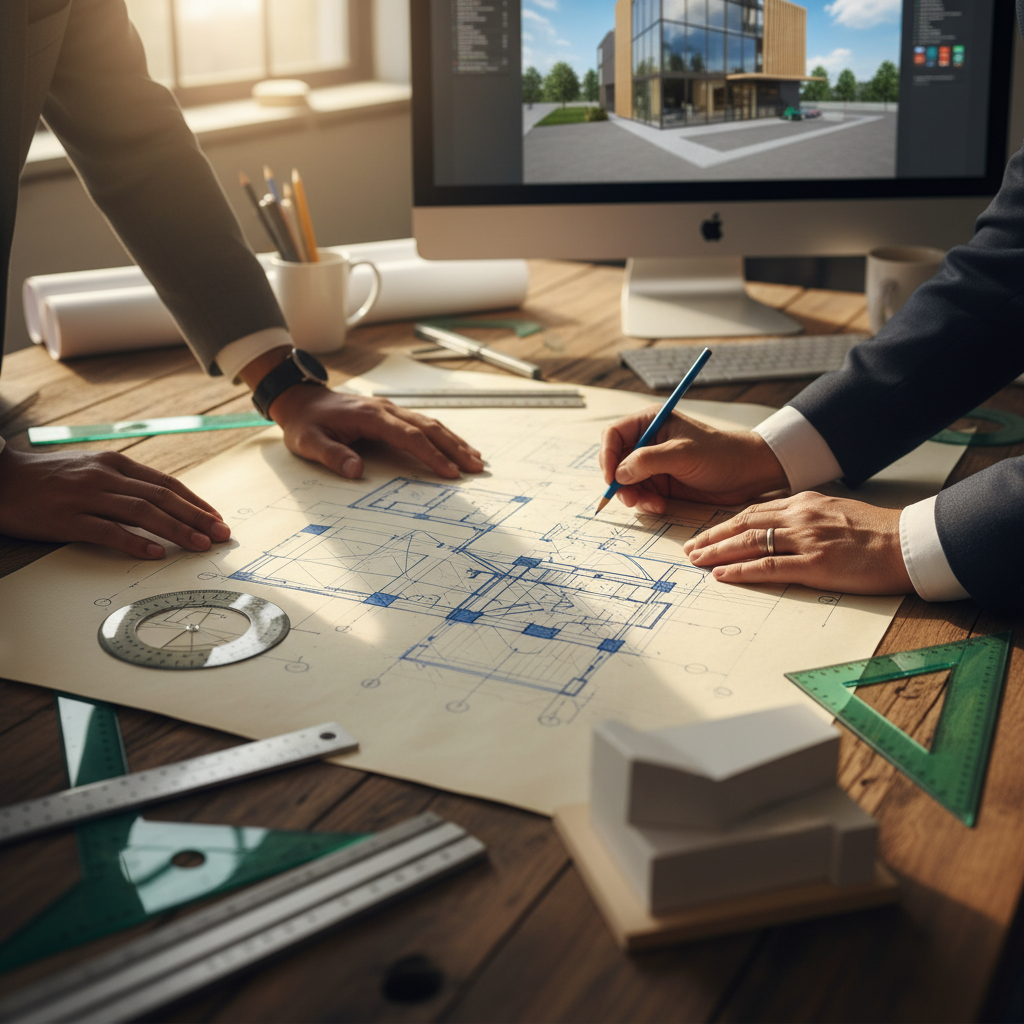
Moreover, virtual reality (VR) and augmented reality (AR) have revolutionized the way clients and stakeholders experience architectural designs. These technologies provide immersive experiences, allowing individuals to "walk through" a building before it's constructed, offering a deeper understanding of the space and design intent.
Smart Building Technologies
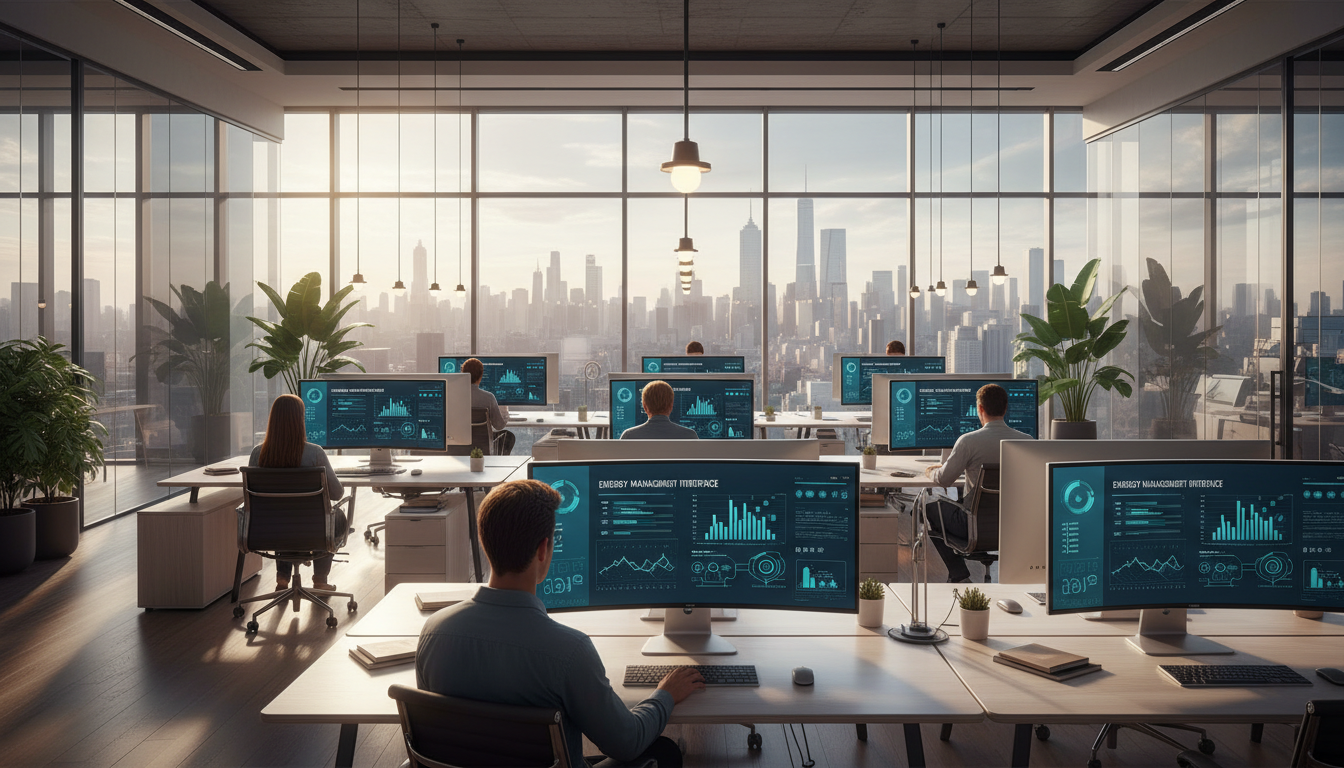
The concept of smart buildings is no longer futuristic. Modern architecture increasingly incorporates intelligent systems that enhance the functionality and efficiency of buildings. These systems include automated lighting, heating, ventilation, and air conditioning (HVAC), which adjust based on occupancy and environmental conditions.
Additionally, smart buildings often feature integrated security systems, IoT devices, and energy management systems that optimize resource use and improve sustainability. These advancements not only enhance comfort and convenience but also contribute to significant energy savings.
Materials and Construction Techniques
Technology has also influenced the materials and construction techniques used in modern architecture. The development of sustainable materials, such as cross-laminated timber and self-healing concrete, has opened new possibilities for eco-friendly construction. These materials offer durability and sustainability, aligning with the increasing demand for environmentally responsible designs.
Furthermore, 3D printing technology is beginning to play a crucial role in construction. From producing complex architectural components to entire structures, 3D printing offers unparalleled flexibility and speed. This technology reduces waste and allows for the creation of intricate designs that were previously impossible with traditional construction methods.

Challenges and Future Directions
While technology offers numerous benefits in architecture, it also presents challenges. The rapid pace of technological advancement can lead to a skills gap, requiring architects and construction professionals to continuously update their knowledge and expertise. Additionally, the integration of technology raises concerns about data security and the potential loss of traditional craftsmanship.
Looking ahead, the role of technology in architecture is expected to grow even more significant. Innovations such as artificial intelligence and machine learning may soon contribute to design processes, creating architectures that are not only visually stunning but also highly functional and sustainable.
Conclusion
The role of technology in modern architecture is multifaceted and continually evolving. By embracing technological advancements, architects can push the boundaries of design, create more efficient and sustainable buildings, and enhance the way we live and interact with our built environment. As technology continues to develop, the future of architecture promises to be both exciting and transformative.