
The Role of Climate in Architectural Design in Lisboa


The Influence of Lisbon's Climate on Architectural Design
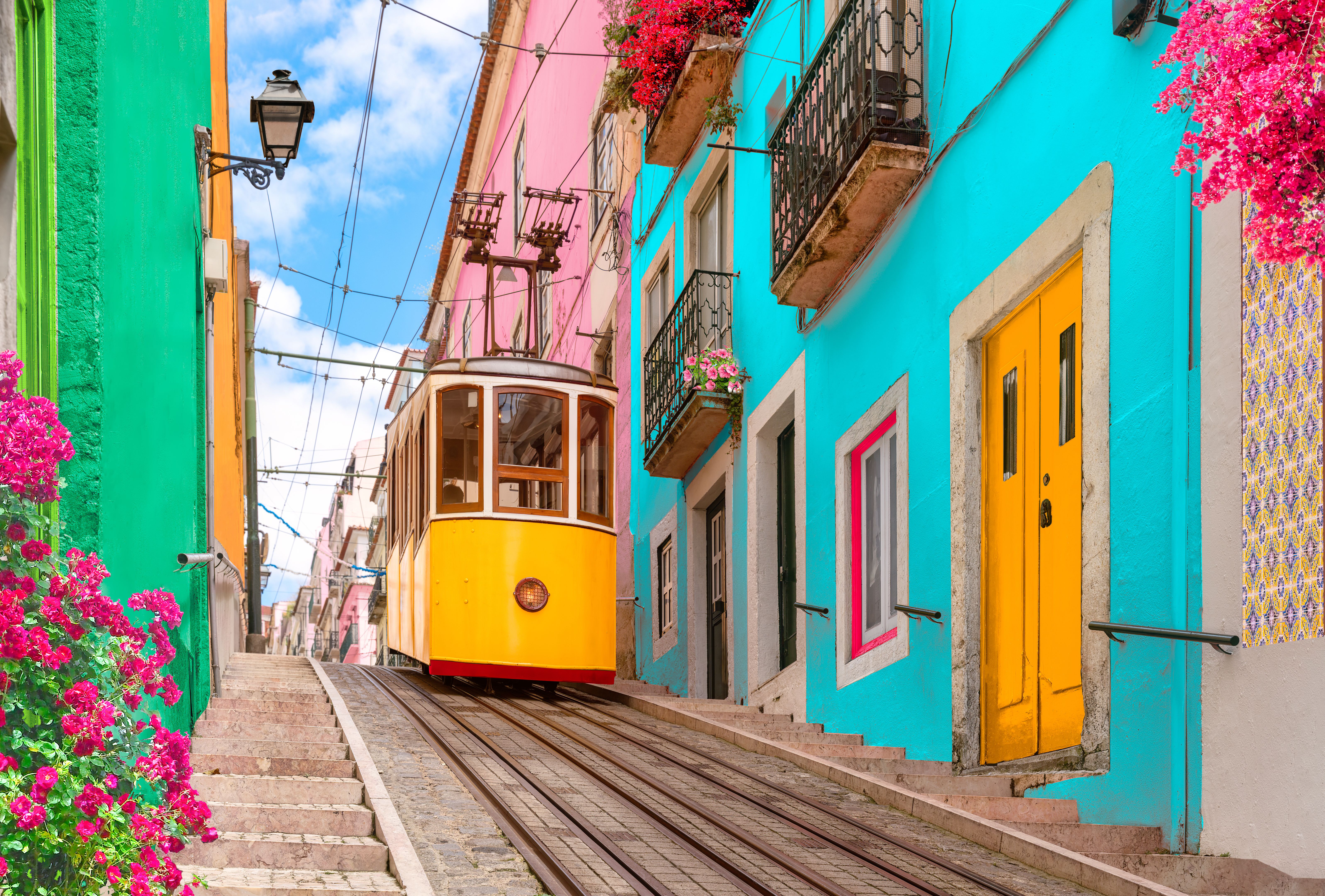
Lisbon, the enchanting capital of Portugal, is renowned for its stunning architecture that seamlessly blends historical charm with modern innovation. A crucial factor influencing this architectural beauty is the city's unique climate. With a Mediterranean climate characterized by warm, dry summers and mild, rainy winters, architects in Lisbon must consider various climatic factors to create sustainable and comfortable living spaces.
Climate-Responsive Design Principles
Architects in Lisbon often employ climate-responsive design principles to enhance energy efficiency and ensure comfort. One of the primary strategies is maximizing natural ventilation. By strategically placing windows and openings, buildings can take advantage of the cool Atlantic breezes, reducing reliance on artificial cooling systems.
Another essential principle is the use of thermal mass. Building materials like stone and concrete can absorb heat during the day and release it at night, helping to moderate indoor temperatures. This technique is particularly effective in Lisbon, where temperature fluctuations can be significant between day and night.

Incorporating Shading Techniques
Shading is a crucial element in Lisbon's architectural design, given the intense summer sun. Architects employ various shading techniques, such as overhangs, pergolas, and louvers, to protect interiors from excessive heat. These features not only enhance comfort but also contribute to the aesthetic appeal of the structures.
Using vegetation is another effective shading strategy. Green roofs and facades can provide natural insulation and help regulate temperatures. Additionally, they promote biodiversity and improve air quality in urban areas, making them a sustainable choice for modern buildings.

Water Management in Design
With rainy winters, water management is an essential consideration in Lisbon's architecture. Implementing systems for rainwater harvesting and efficient drainage can prevent waterlogging and reduce the strain on public infrastructure. This approach not only conserves water but also supports the city's sustainability goals.
Permeable surfaces, such as gravel or permeable concrete, are often used to allow rainwater to seep into the ground, reducing runoff and replenishing groundwater levels. Such designs are vital in maintaining the delicate balance between urban development and environmental preservation.
Conclusion: A Harmonious Blend of Tradition and Modernity
In Lisbon, the role of climate in architectural design is not just about addressing environmental challenges but also about celebrating the city's rich cultural heritage. By integrating climate-responsive strategies with traditional design elements, architects create buildings that are both functional and aesthetically pleasing.
As Lisbon continues to grow and evolve, its architects remain committed to crafting spaces that respect the environment and enhance the quality of life for its inhabitants. This harmonious blend of tradition and modernity ensures that Lisbon remains a beacon of architectural excellence.