
The Role of Climate in Architectural Design: Tips for Lisboa Projects


Understanding Lisboa's Climate
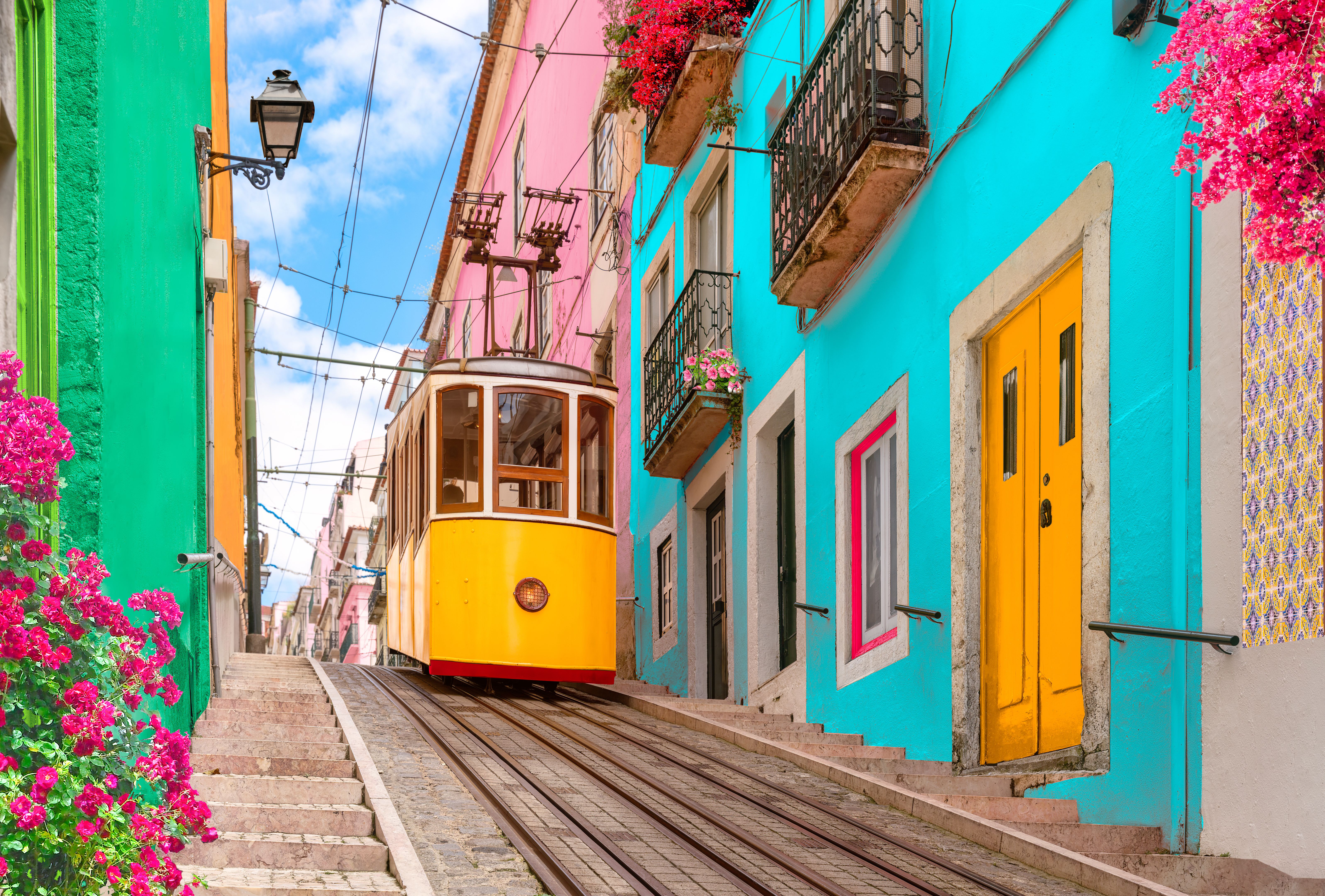
Lisboa, the vibrant capital of Portugal, boasts a Mediterranean climate characterized by hot, dry summers and mild, rainy winters. This unique climate plays a significant role in shaping architectural design within the city. Understanding these climatic conditions is crucial for architects aiming to create sustainable and comfortable living spaces in Lisboa.
To design effectively in Lisboa, architects must consider temperature fluctuations, humidity levels, and seasonal variations. These factors influence everything from the choice of materials to the orientation of buildings. By prioritizing climate-responsive design, architects can enhance energy efficiency and occupant comfort.
Incorporating Passive Design Strategies
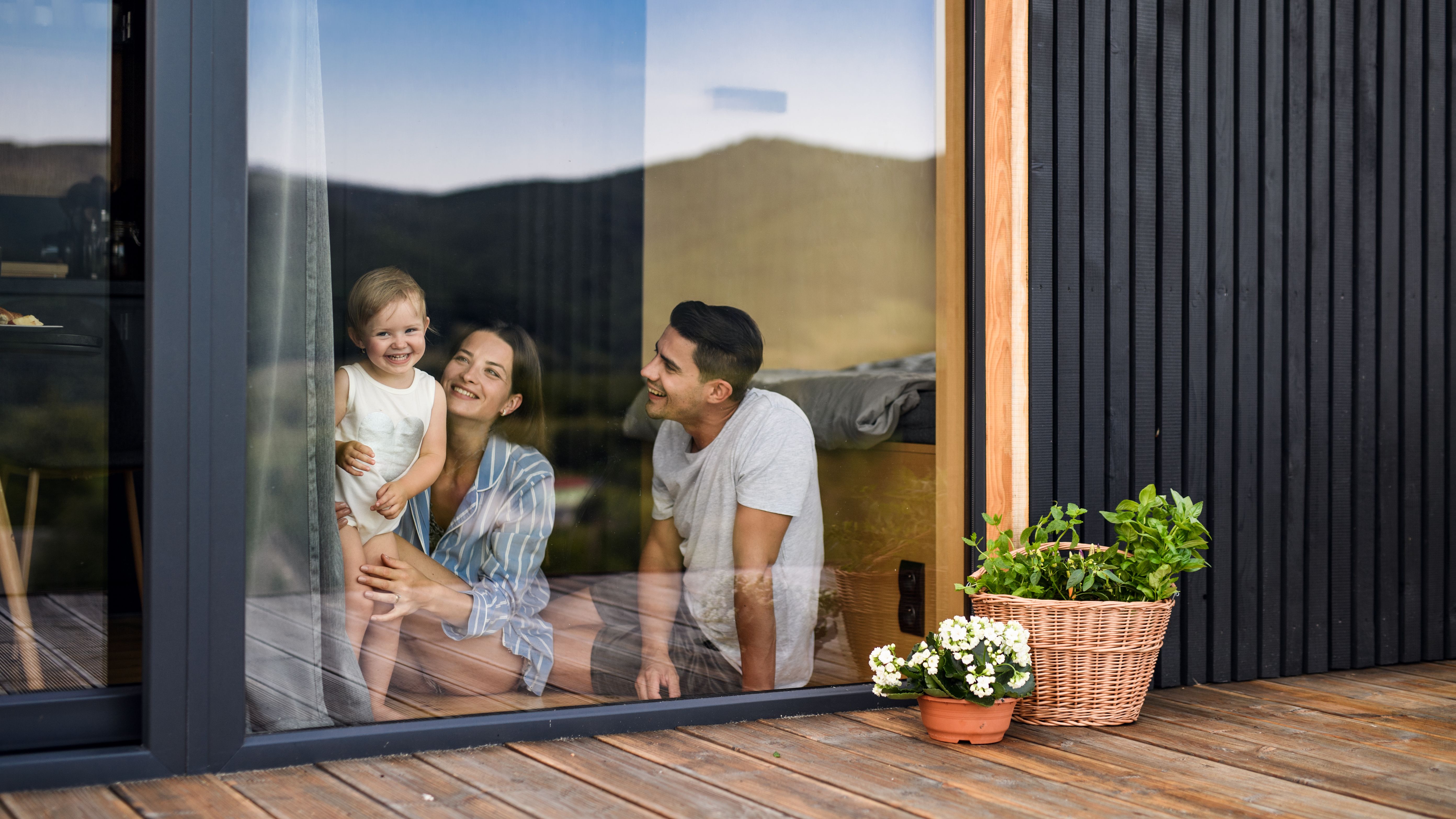
One of the most effective ways to respond to Lisboa’s climate is through passive design strategies. These strategies leverage natural forces to maintain indoor comfort without relying heavily on mechanical systems. Key techniques include strategic building orientation, optimized window placement, and natural ventilation.
Building orientation is crucial in maximizing solar gain during winter while minimizing overheating in summer. Similarly, windows should be positioned to capture daylight and promote cross-ventilation. By integrating these elements, architects can reduce energy consumption and create healthier indoor environments.
Choosing the Right Materials
The selection of building materials significantly impacts a structure’s thermal performance. In Lisboa, materials that provide excellent insulation and thermal mass are ideal. These materials help regulate indoor temperatures by absorbing, storing, and releasing heat as needed.
Traditional materials like stone and clay bricks are popular choices due to their durability and thermal properties. Incorporating these materials into modern designs can enhance both aesthetic appeal and functionality, ensuring buildings remain cool in summer and retain warmth in winter.

Embracing Green Roofs and Walls
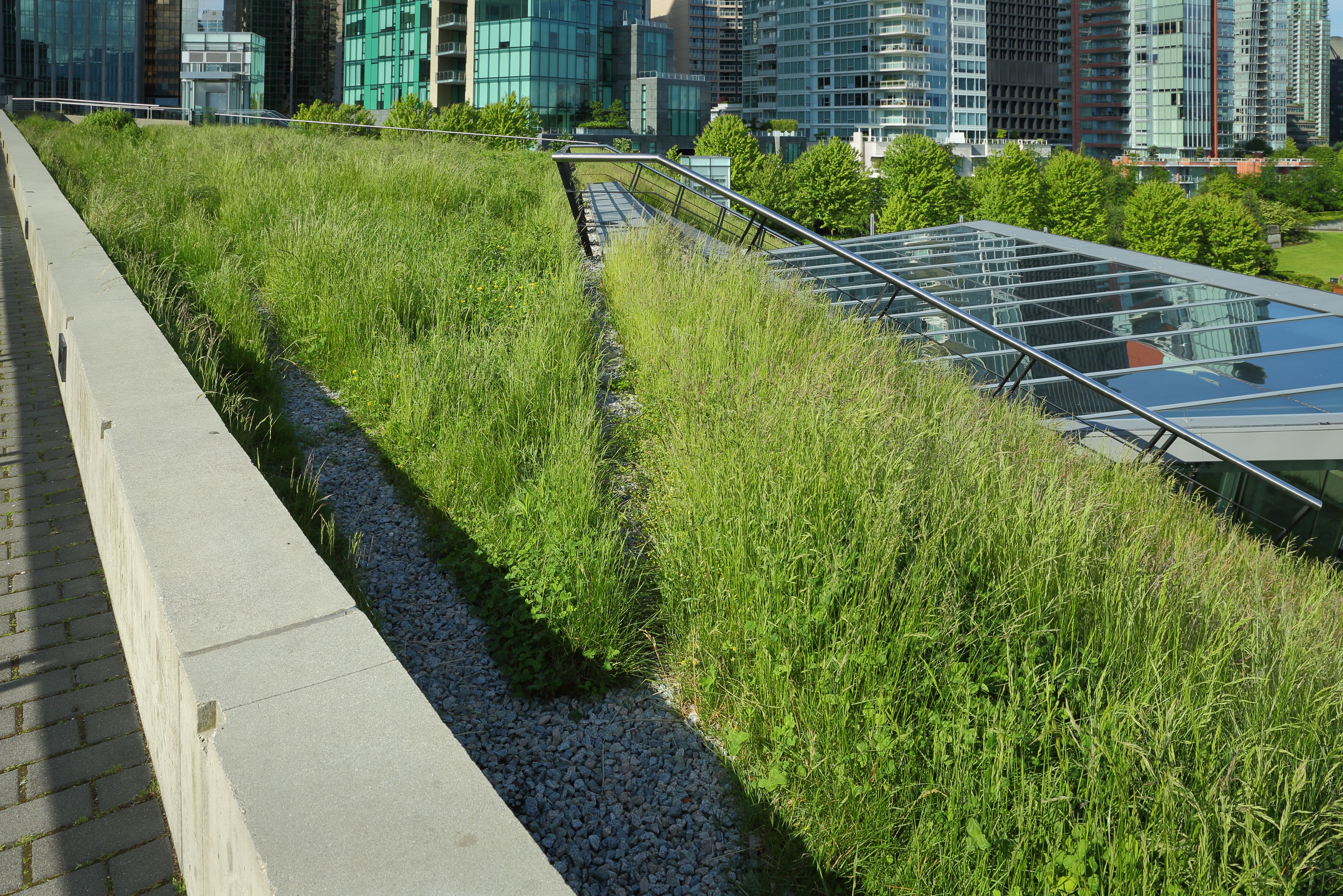
Green roofs and walls are innovative solutions that offer numerous benefits in Lisboa’s climate. These features not only provide insulation but also help manage stormwater, improve air quality, and increase biodiversity. By integrating greenery into architectural designs, architects can create visually appealing and environmentally responsible buildings.
Green roofs can be particularly effective in urban areas, where they reduce the urban heat island effect and promote a cooler microclimate. Similarly, green walls contribute to energy efficiency by providing natural shade and insulation.
Implementing Renewable Energy Solutions
Lisboa’s abundant sunshine makes it an ideal location for harnessing solar energy. Incorporating solar panels into architectural designs can significantly reduce a building’s carbon footprint and energy costs. Architects should consider the integration of photovoltaic systems as part of their sustainable design strategy.
Additionally, solar water heating systems can be an efficient way to utilize the sun’s energy for daily needs. By adopting these renewable energy solutions, buildings in Lisboa can become more self-sufficient and environmentally friendly.
Conclusion
Incorporating climate-responsive design in Lisboa is not only a matter of sustainability but also a way to enhance the livability and aesthetic of buildings. By understanding the city’s climate and leveraging strategies like passive design, material selection, green roofs, and renewable energy, architects can create spaces that are both beautiful and functional.
As the demand for sustainable architecture grows, Lisboa presents a unique opportunity for architects to innovate and lead by example. By embracing these principles, we can ensure that future developments are in harmony with the environment and the needs of the city’s residents.