
The Role of Architecture in Lisbon's Urban Development


The Historic Influence of Architecture in Lisbon
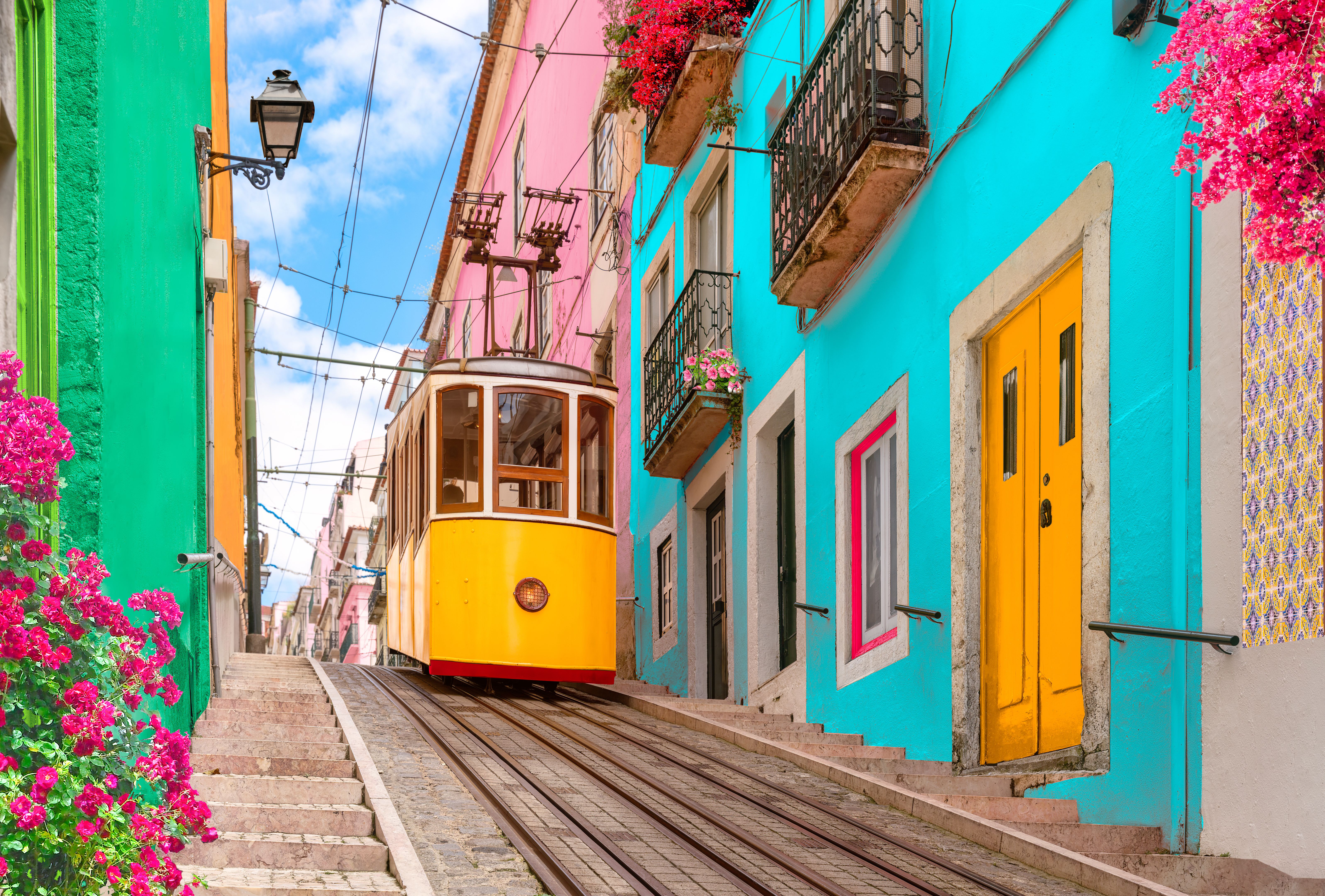
Lisbon, the stunning capital of Portugal, is a city where history and modernity harmoniously coexist. Its architecture plays a crucial role in shaping its urban landscape. From majestic palaces to contemporary structures, Lisbon's architectural evolution reflects its rich past and dynamic future.
The city's architectural heritage is a testament to its diverse cultural influences. The iconic Manueline style, which emerged in the early 16th century, is a unique blend of Gothic, Moorish, and Renaissance elements. This distinctive style is prominently featured in the Jerónimos Monastery and the Tower of Belém, both UNESCO World Heritage Sites.
Urban Expansion and Modern Architecture
As Lisbon expanded over the centuries, modern architecture began to take shape, particularly during the 20th century. The reconstruction following the devastating 1755 earthquake led to the development of the Pombaline style, characterized by its innovative grid layout and earthquake-resistant structures.
In recent decades, Lisbon has embraced contemporary architecture, elevating its urban landscape. The Parque das Nações, developed for the 1998 World Expo, is a striking example of this transformation. This area showcases modernist designs, including the Vasco da Gama Tower and the Oceanário de Lisboa.

Sustainable Urban Development
In response to environmental concerns, Lisbon is increasingly focusing on sustainable architecture. The city is integrating green spaces and energy-efficient designs to reduce its carbon footprint. Projects like the Lx Factory exemplify this trend, transforming industrial spaces into eco-friendly hubs for creativity and innovation.
The city’s commitment to sustainability is also evident in the numerous green buildings and public spaces that promote a healthier urban environment. These efforts not only enhance the quality of life for residents but also attract eco-conscious tourists.

Preservation and Innovation
While embracing modernity, Lisbon remains dedicated to preserving its historical architecture. The city has implemented policies to protect its cultural heritage, ensuring that iconic landmarks are maintained for future generations. This balance between preservation and innovation is a cornerstone of Lisbon's urban development strategy.
The blend of old and new is visible in projects like the MAAT (Museum of Art, Architecture, and Technology), where contemporary design seamlessly integrates with historical elements, creating a space that celebrates both tradition and progress.

Conclusion: A City of Architectural Diversity
Lisbon's architectural landscape is a vibrant tapestry of history, culture, and innovation. Its unique blend of styles not only defines the city's character but also plays a pivotal role in its urban development. As Lisbon continues to evolve, its architecture will undoubtedly remain a key factor in shaping its identity and future.
Whether you're wandering through the cobbled streets of Alfama or exploring the modern districts of the city, Lisbon's architecture offers a fascinating journey through time, reflecting the resilience and creativity of its people.