
The Impact of Lisbon's Climate on Architectural Design


Introduction to Lisbon's Climate
Lisbon, the vibrant capital of Portugal, boasts a Mediterranean climate characterized by mild, rainy winters and hot, dry summers. This unique climate significantly influences the architectural styles and building practices in the city. As architects strive to harmonize form and function, understanding the climate's impact is crucial in creating sustainable and comfortable spaces.
The climate's challenges and opportunities have led to innovative design solutions that reflect the city's rich history and modern needs. The interplay between weather patterns and architectural design is a fascinating study of adaptation and creativity.
Historical Influences on Architectural Design
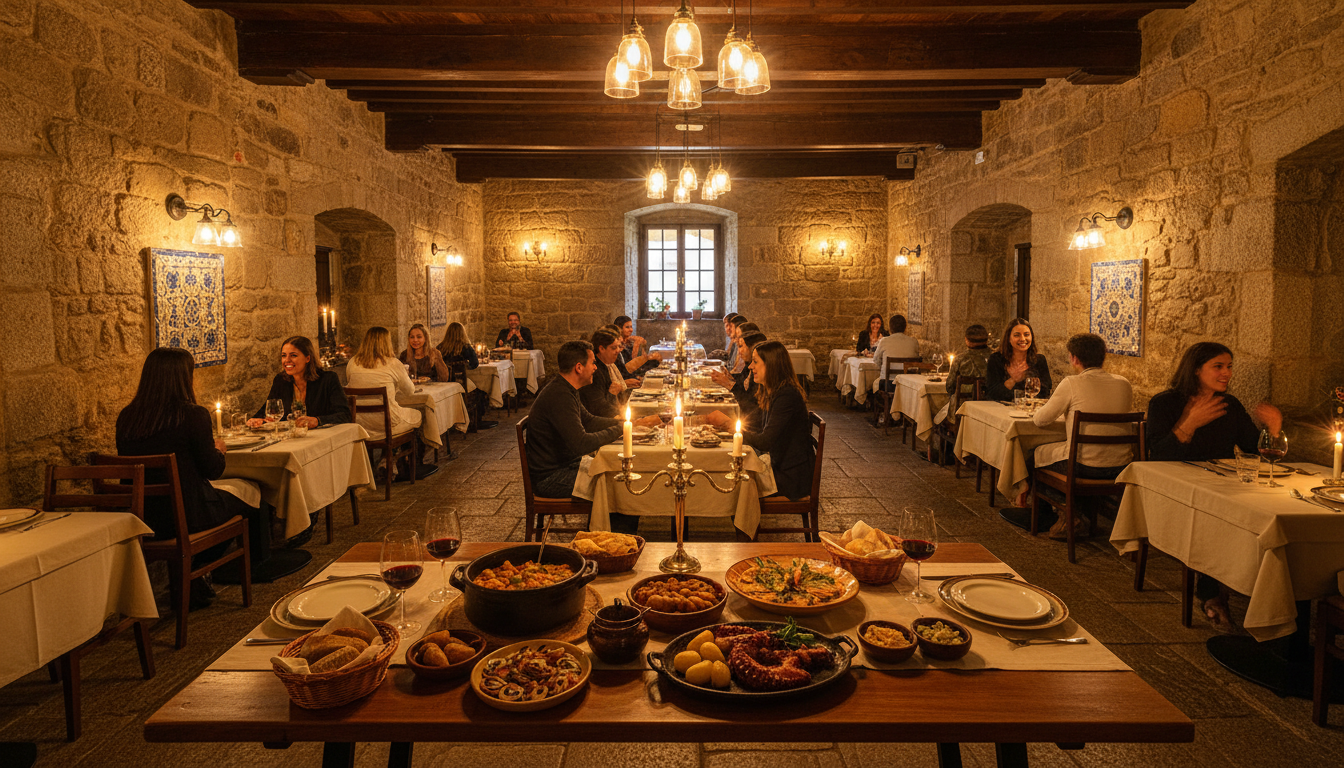
Lisbon's architectural landscape is a tapestry of various influences, from Roman and Moorish to Gothic and Manueline styles. These historical layers are not only aesthetically pleasing but also practical responses to the local climate. For example, thick stone walls and small windows in older buildings help regulate indoor temperatures, keeping interiors cool during hot summers and warm in winter.
Traditional ceramic tiles, known as azulejos, are another distinctive feature. These tiles are not only decorative but also serve to protect buildings from the elements, reflecting heat and preventing moisture infiltration.
Modern Adaptations
Contemporary architects in Lisbon are tasked with integrating modern technologies and materials while respecting the historical context. Recent developments focus on sustainability, using climate-responsive strategies to reduce energy consumption and enhance comfort.
Climate-Responsive Design Techniques
To address Lisbon's climate, architects employ various techniques:
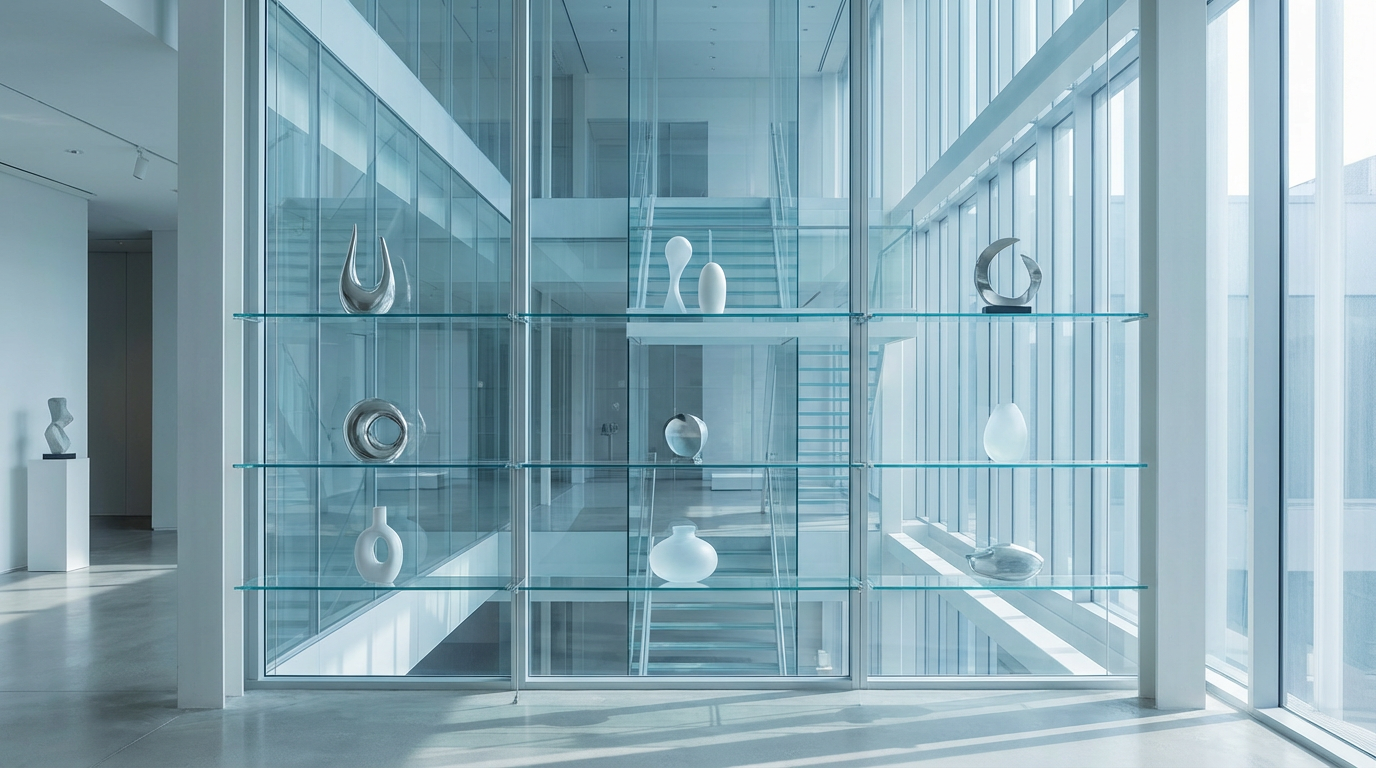
- Passive Solar Design: Structures are oriented to maximize natural light and heat during winter while minimizing solar gain in summer.
- Shading Devices: Elements such as louvers and overhangs provide shade, reducing heat absorption.
- Natural Ventilation: Designing for cross-ventilation helps maintain indoor air quality and temperature.
Such techniques not only enhance comfort but also contribute to energy efficiency, aligning with global sustainability goals.
Use of Green Spaces
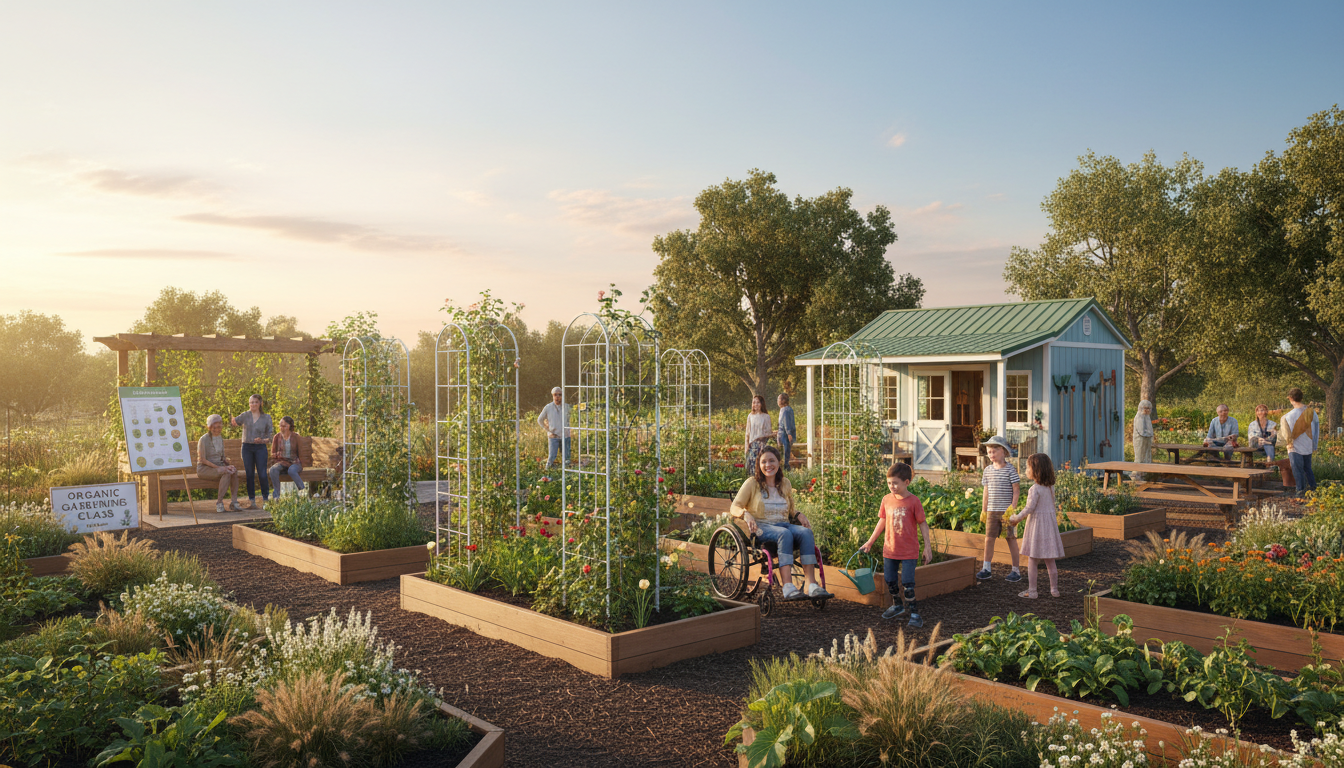
Incorporating green spaces into urban design is another effective strategy. Rooftop gardens and vertical plantings offer natural insulation and reduce the urban heat island effect. These spaces also provide aesthetic and recreational value, enriching city life.
Challenges and Opportunities
While Lisbon's climate presents certain challenges, it also offers opportunities for innovation. Architects must balance preserving historical integrity with meeting contemporary needs, a task that requires creativity and respect for tradition.
The city's commitment to sustainable development is evident in various public and private projects that prioritize eco-friendly materials and practices.
Conclusion
Lisbon's climate has a profound impact on its architectural design, inspiring a blend of tradition and modernity. As the city continues to evolve, architects will play a pivotal role in shaping spaces that honor the past while embracing the future. This dynamic interplay between climate and architecture not only defines Lisbon's skyline but also its cultural identity.