
The Impact of Lisboa's Climate on Architectural Design


Lisboa's Unique Climate
Lisboa's Mediterranean climate, characterized by mild winters and hot, dry summers, has a profound impact on architectural design in the city. The balance of temperature, humidity, and seasonal changes influences how buildings are conceptualized and constructed. This climate requires architects to consider energy efficiency and sustainability while maintaining aesthetic appeal.
The city's climate dictates the need for structures that can withstand both the intense summer heat and occasional winter chills. As a result, architects often incorporate innovative solutions to manage temperature fluctuations and ensure comfort for occupants.
Designing for Heat
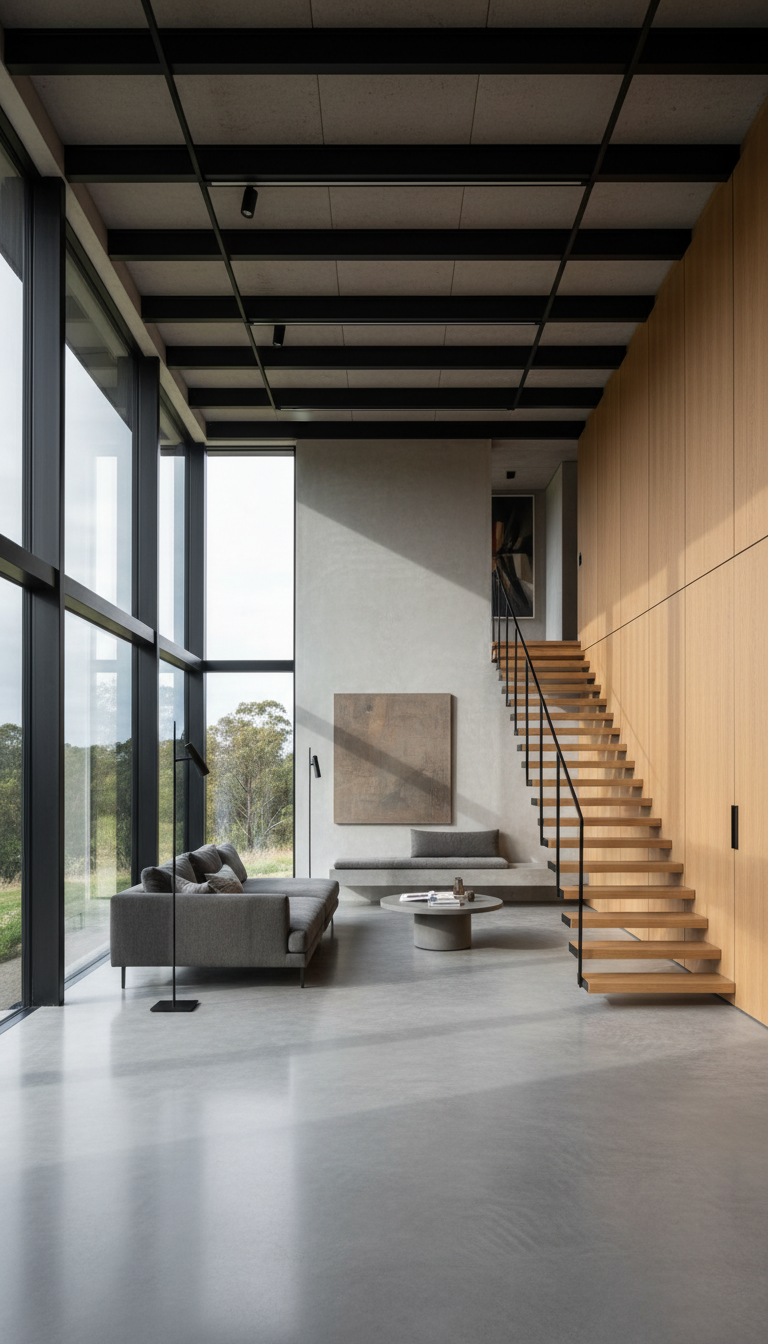
One of the primary challenges in Lisboa is designing buildings that remain cool during the oppressive summer months. Many traditional buildings use thick walls made from stone or concrete to provide natural insulation. These materials have a high thermal mass, which helps regulate indoor temperatures by absorbing heat during the day and releasing it at night.
Modern designs often integrate advanced materials and technologies, such as reflective roofing and insulation, to enhance energy efficiency. Architects also employ strategic shading techniques, including the use of pergolas, overhangs, and shutters, to reduce direct sunlight exposure.
Ventilation and Airflow
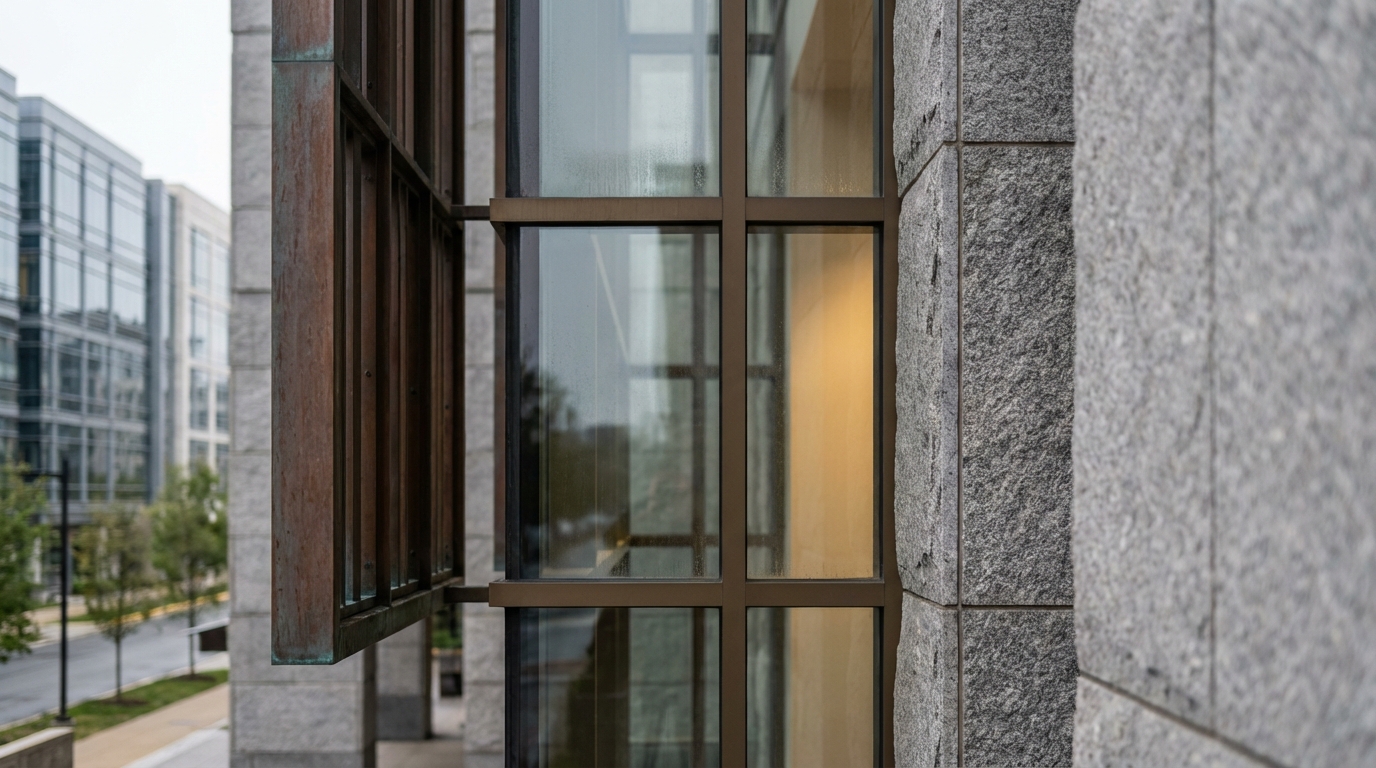
Effective ventilation is crucial in mitigating the effects of Lisboa's climate. Traditional homes feature large windows and high ceilings to facilitate natural airflow, which helps cool interiors without relying heavily on mechanical air conditioning. This design principle is still prevalent in contemporary architecture.
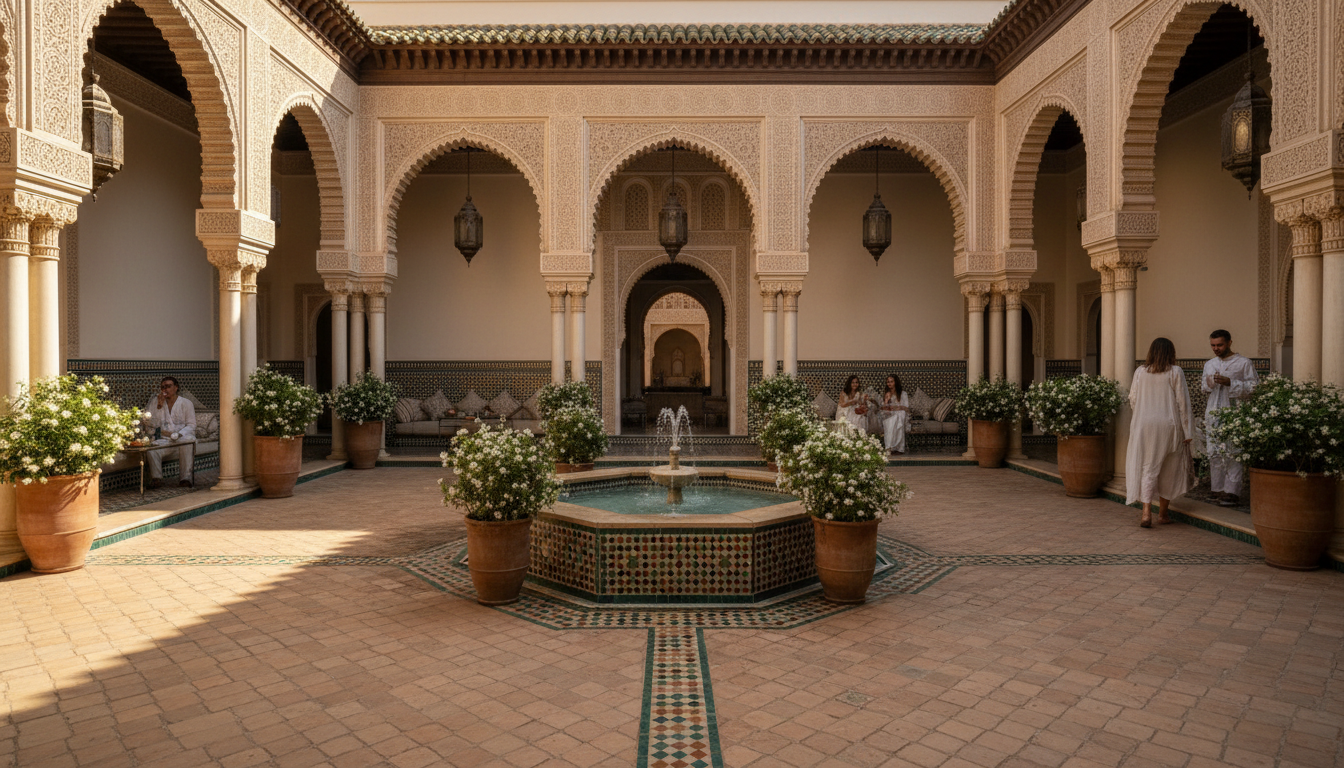
Moreover, courtyards and open-plan designs are popular as they promote cross-ventilation. By allowing fresh air to circulate throughout the building, these elements reduce indoor temperatures and improve air quality.
Rain and Moisture Considerations
While Lisboa is known for its dry summers, the rainy season can present challenges. Architects must ensure that buildings are equipped to handle moisture to prevent damage and deterioration. This involves designing efficient drainage systems and selecting water-resistant materials for construction.
Roofs are often sloped to facilitate rainwater runoff, and facades are treated with protective coatings to minimize water penetration. These measures are essential for maintaining the integrity and longevity of structures.
Embracing Sustainable Practices
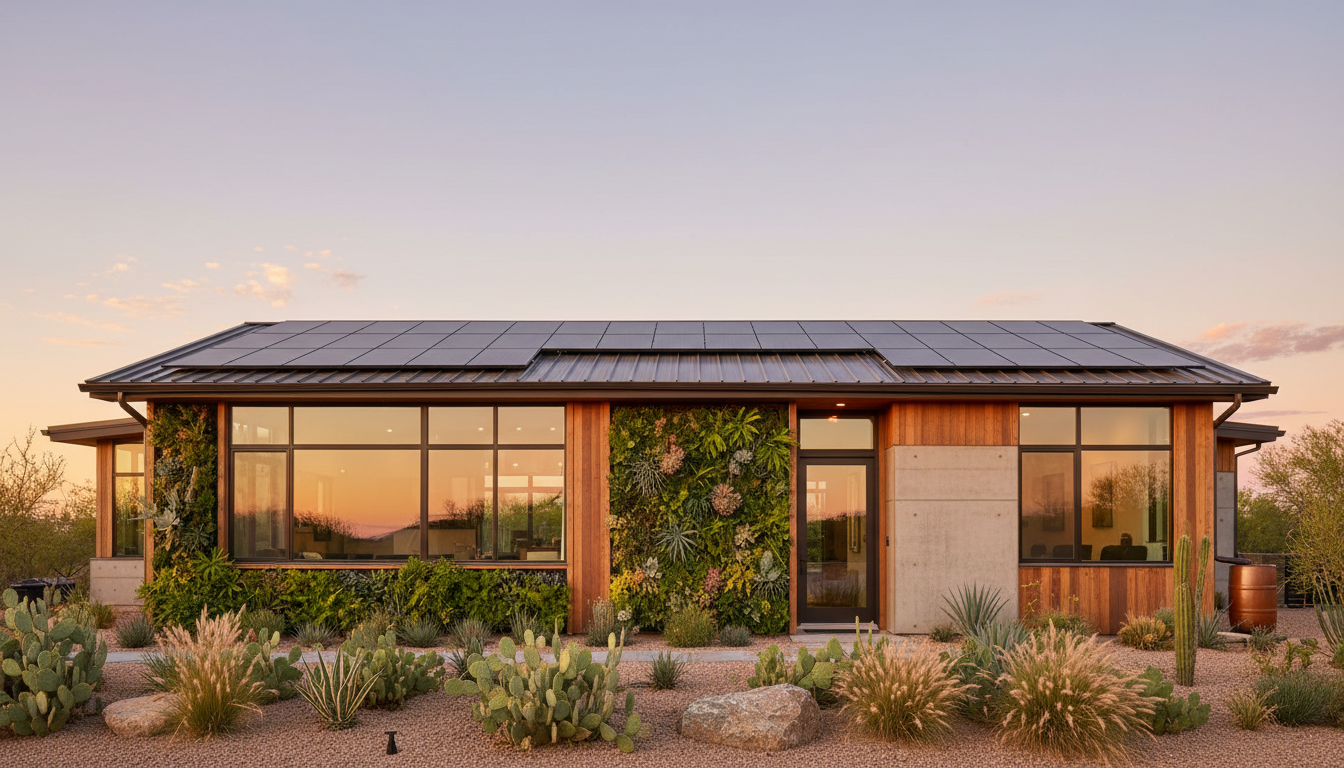
Sustainability is a growing concern in architectural design, and Lisboa is no exception. The city's climate encourages the use of eco-friendly practices, such as the integration of solar panels and green roofs. These features not only reduce energy consumption but also contribute to the overall aesthetic of the urban landscape.
Furthermore, the use of locally sourced materials not only supports the local economy but also reduces the carbon footprint associated with transportation and production.
Conclusion
Lisboa's climate plays a crucial role in shaping its architectural landscape. From traditional designs that maximize natural cooling to modern innovations that emphasize sustainability, the city's architecture is a testament to the adaptability and creativity of its designers. As climate considerations continue to influence design choices, Lisboa remains a dynamic example of how architecture can harmonize with its environment.