The Essential Guide to Designing Modern Architecture in Lisboa


Understanding the Essence of Modern Architecture
Modern architecture in Lisboa is a blend of tradition and innovation, offering a unique canvas for architects. The city’s architectural landscape is known for its rich history, which modern designers must respect while introducing contemporary elements. This delicate balance is crucial for creating structures that stand out yet seamlessly blend into the city's iconic skyline.
Incorporating Local Culture
When designing modern architecture in Lisboa, it's essential to incorporate local culture. This means integrating traditional Portuguese elements like tiles, colors, and patterns into modern designs. By doing so, architects can create buildings that pay homage to Lisboa's heritage while embracing contemporary trends. This fusion of old and new is a defining characteristic of successful modern architecture in the city.
Emphasizing Sustainability
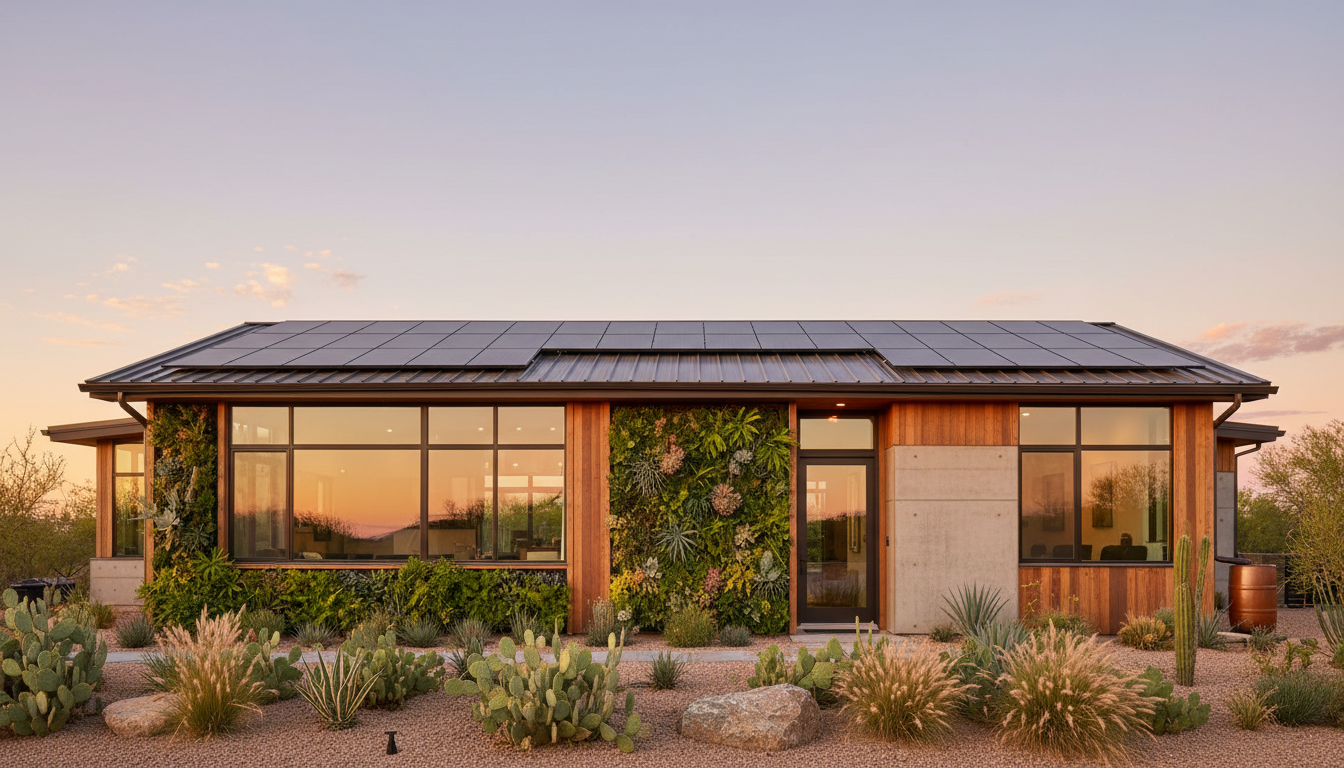
Sustainability is a key consideration for modern architecture in any city, and Lisboa is no exception. Designers are increasingly focusing on eco-friendly materials and energy-efficient technologies. This includes using solar panels, green roofs, and sustainable building materials. By prioritizing sustainability, architects are contributing to a greener future and enhancing the quality of urban living.
The Role of Technology
Technology plays a significant role in the development of modern architecture. Advanced software tools allow architects to create intricate designs and test them in virtual environments before construction begins. In Lisboa, the use of technology is helping architects push the boundaries of what’s possible, resulting in innovative structures that are both functional and aesthetically pleasing.
Engaging with the Community
Community engagement is vital when designing modern architecture in Lisboa. Architects must consider the needs and preferences of local residents to ensure that new developments are well-received. This can involve public consultations and collaborative design processes. Engaging with the community not only adds value to the project but also fosters a sense of ownership among locals.

Challenges in Modern Design
Designing modern architecture in Lisboa comes with its own set of challenges. These can include navigating strict building regulations and overcoming geographical constraints. Additionally, the need to respect historical sites while introducing modern concepts can be daunting. However, overcoming these challenges often leads to more innovative and creative solutions.
Successful Case Studies
Several modern architectural projects in Lisboa serve as excellent examples of successful design. These projects showcase how architects have embraced both the city's heritage and modern trends. By studying these examples, new designers can gain insights into effective strategies for integrating modern architecture within a historical context.
Conclusion: The Future of Modern Architecture in Lisboa
The future of modern architecture in Lisboa holds exciting possibilities. As the city continues to grow and evolve, architects have the opportunity to shape its urban landscape in innovative ways. By focusing on sustainability, technology, and community engagement, the next generation of architects can continue to build a vibrant and dynamic Lisboa.