
Seasonal Considerations for Architectural Design in Portugal’s Climate


Understanding Portugal's Climate
Portugal's climate varies significantly from north to south and from coastal to inland regions. The country experiences a Mediterranean climate, characterized by hot, dry summers and mild, wet winters. Understanding these climatic variations is essential for architects to design buildings that are not only aesthetically pleasing but also functional and sustainable.
In the northern regions, the climate is cooler and wetter, while the southern areas, particularly the Algarve, enjoy warmer and drier conditions. These differences necessitate distinct architectural considerations to ensure that buildings remain comfortable year-round.
Sustainable Design Strategies
Passive Solar Design
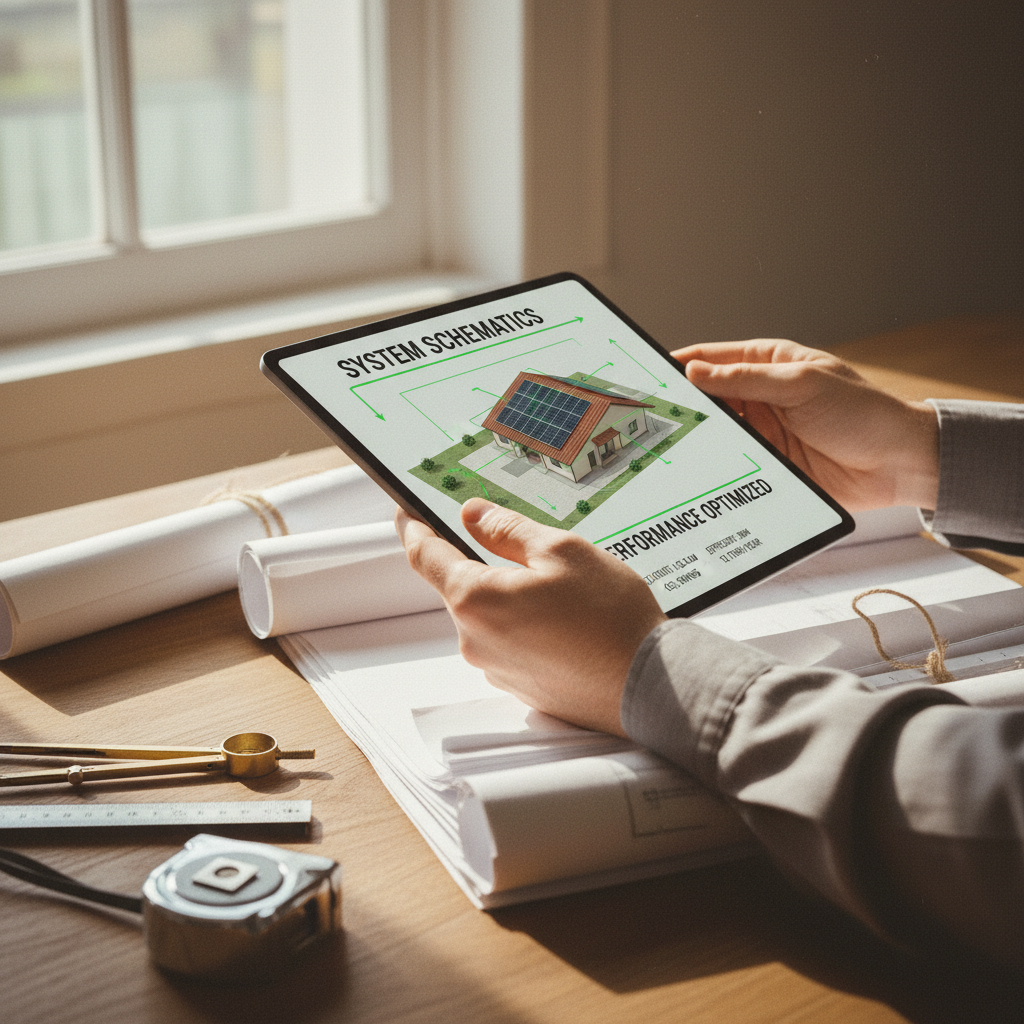
Incorporating passive solar design is crucial in many parts of Portugal. This involves orienting buildings to maximize natural sunlight during the winter months while minimizing overheating in the summer. Architects often use large windows with shading devices, thermal mass materials, and proper insulation to achieve this balance.
Ventilation and Cooling
Given the hot summers, effective ventilation is another critical factor in Portuguese architectural design. Cross-ventilation can be enhanced by strategically placing windows and vents to allow cool breezes to circulate through the building. Additionally, the use of materials with high thermal mass, such as stone or concrete, can help keep interiors cool.
Materials and Construction Techniques
Local materials are often preferred in Portuguese architecture to enhance sustainability and reduce transportation costs. Clay tiles, stone, and wood are commonly used due to their availability and suitability for the climate. These materials not only blend well with the natural landscape but also provide effective insulation.
Traditional construction techniques, such as thick walls and small windows, are often employed to regulate indoor temperatures. These methods help keep buildings warm during the cooler months and cool during the hot summer days.
Landscape and Environment
Integration with Nature
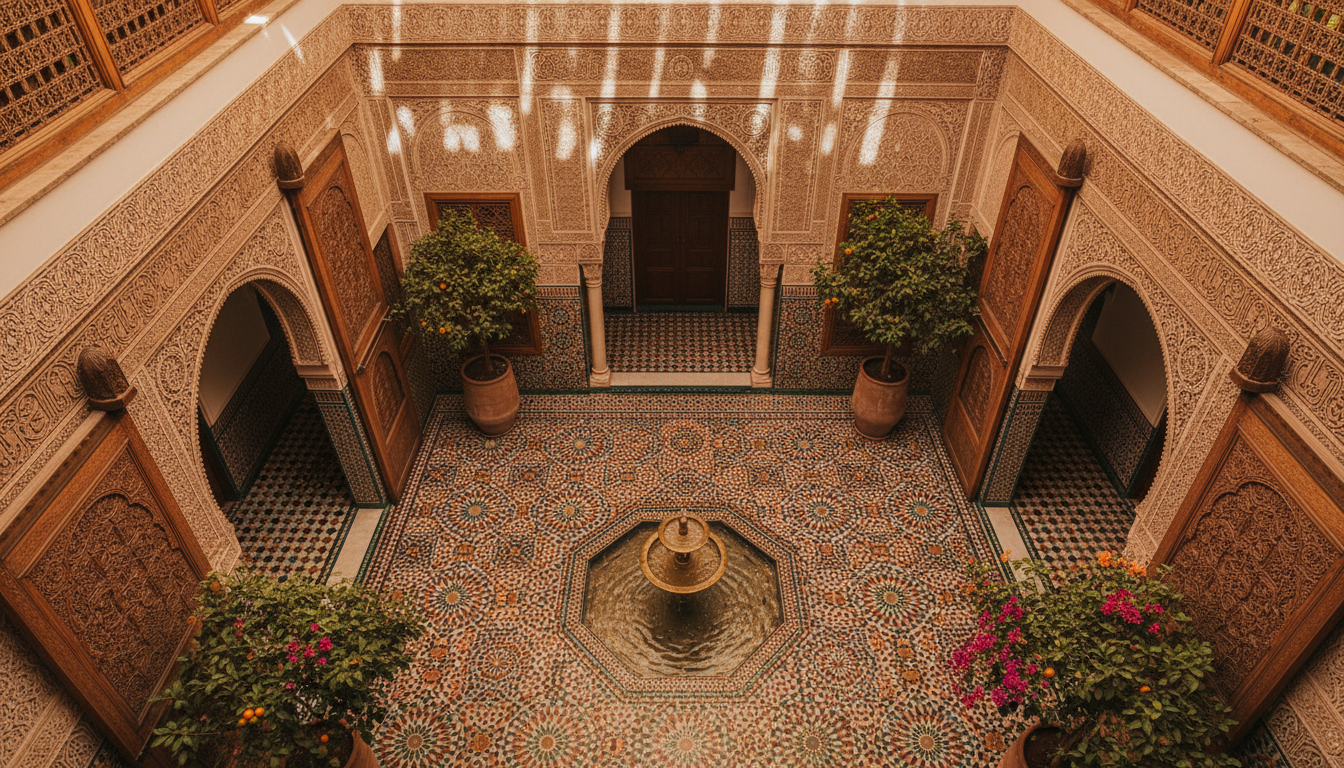
Designing buildings that integrate seamlessly with the natural surroundings is a hallmark of Portuguese architecture. This approach not only enhances the aesthetic appeal but also supports environmental sustainability. Green roofs, terraces, and courtyards are commonly used to create a harmonious relationship with the environment.
Water Management
Water scarcity is a concern in certain regions of Portugal, making efficient water management a vital consideration. Implementing rainwater harvesting systems and using drought-resistant landscaping can significantly reduce water consumption, contributing to a more sustainable design.
By taking these seasonal and climatic factors into account, architects can create buildings that are not only beautiful but also resilient and sustainable, enhancing the overall living experience in Portugal.