
Seasonal Architecture Considerations: Preparing for Lisboa’s Climate


Understanding Lisboa’s Climate
Lisboa, the stunning capital of Portugal, is known for its unique blend of traditional and modern architecture. However, the city’s Mediterranean climate poses specific challenges for architects and homeowners. With hot, dry summers and mild, wet winters, understanding how to design and adapt buildings for these conditions is crucial.
The seasons in Lisboa bring distinct weather patterns that influence architectural choices. During summer, temperatures can soar, making cooling a priority. Conversely, the winter months require structures to retain warmth and withstand humidity. By considering these factors, you can create spaces that are comfortable year-round.
Designing for Hot Summers
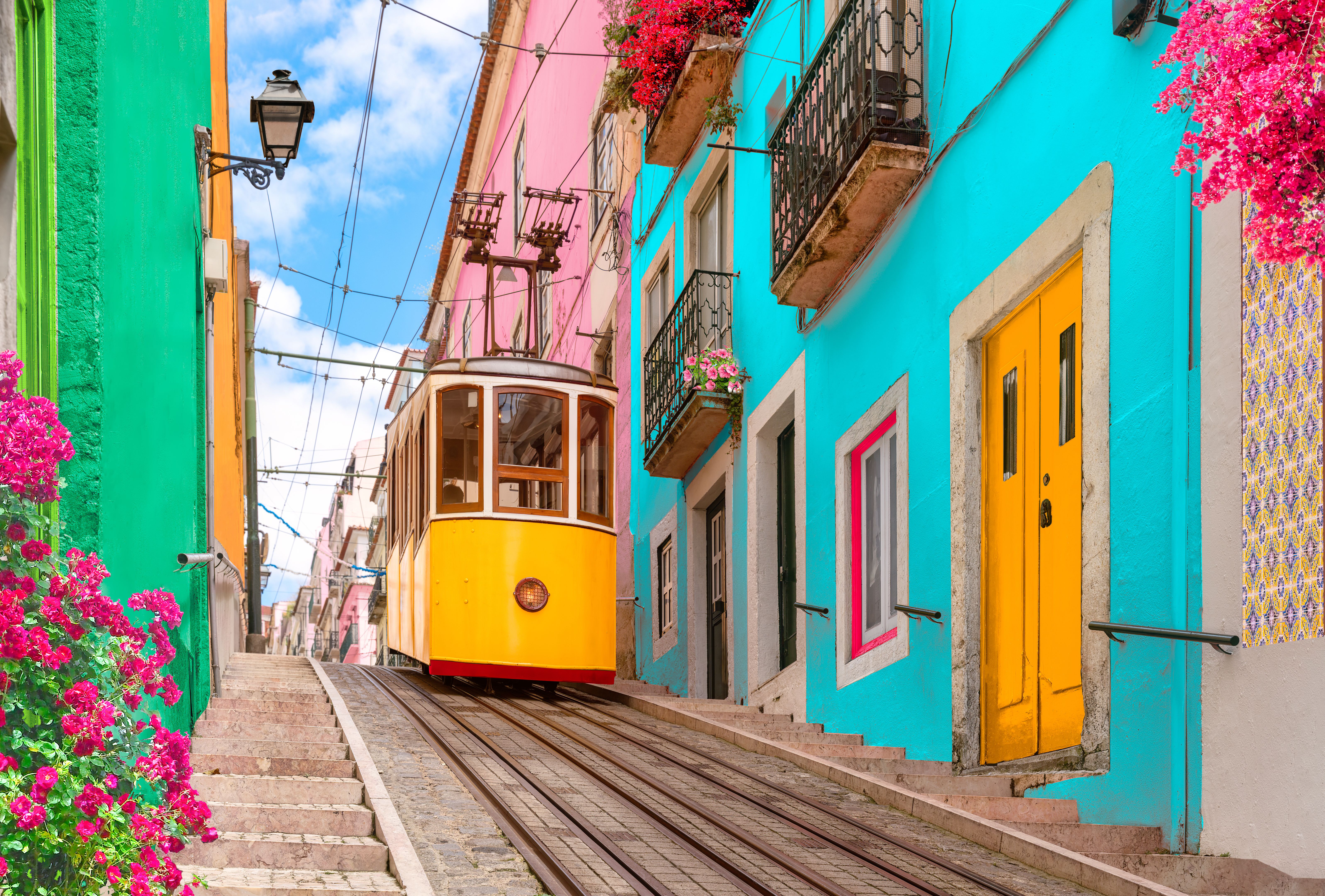
In the sweltering summer months, keeping buildings cool is essential. One effective strategy is to incorporate natural ventilation. By designing windows and openings that facilitate cross-ventilation, you can significantly reduce reliance on artificial cooling. Additionally, using reflective materials on roofs and walls can help minimize heat absorption.
Shading is another critical consideration. Integrating elements like awnings, pergolas, or even strategically placed trees can provide relief from the intense sun, reducing indoor temperatures and enhancing comfort.

Preparing for Mild, Wet Winters
Winter in Lisboa, while mild compared to other European cities, brings its own set of challenges. Buildings need to be insulated effectively to retain heat. Using materials with good thermal mass, such as stone or concrete, can help maintain a stable indoor temperature.
Moreover, moisture control is crucial during this season. Implementing proper drainage systems and using water-resistant materials can prevent damage caused by humidity and rainfall. Ensuring that roofs and walls are adequately sealed will help protect against leaks and dampness.

Adapting Traditional Architecture
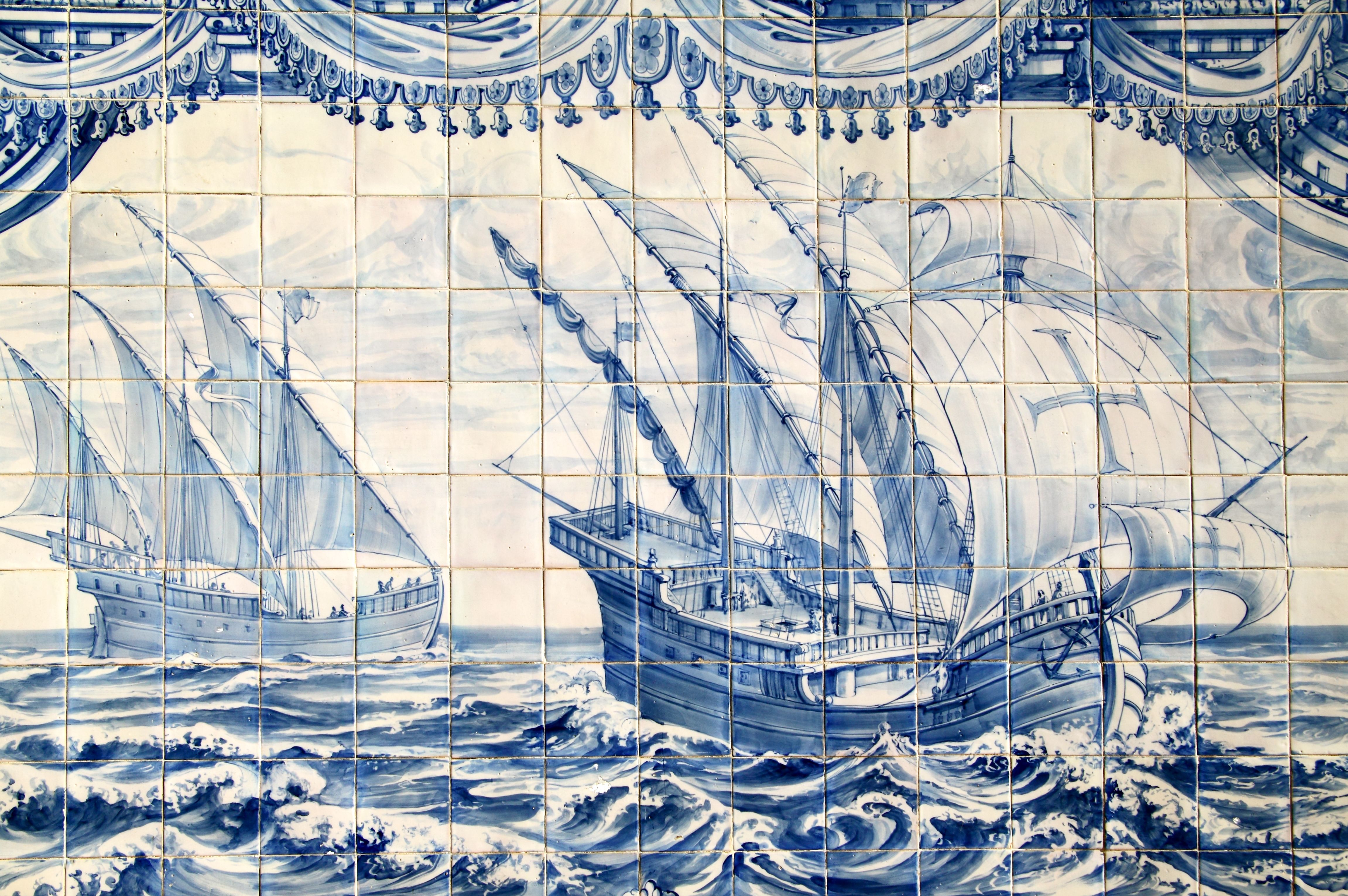
Lisboa’s iconic azulejos, or decorative tiles, are not only beautiful but practical. They serve as an excellent insulator against both heat and cold. Incorporating these traditional elements into modern designs can enhance both functionality and aesthetic appeal.
Traditional Portuguese homes also feature thick walls and small windows, designed to keep interiors cool in summer and warm in winter. Embracing these historical architectural techniques can provide inspiration for contemporary building projects.
Modern Innovations and Sustainability
Today, many architects are turning to sustainable building practices to address Lisboa’s climate challenges. Solar panels, for instance, offer an eco-friendly way to generate energy, particularly during the sun-drenched summer months.
Green roofs and vertical gardens are other innovative solutions. These features not only improve insulation and air quality but also contribute to urban biodiversity. By integrating these modern methods, you can create environmentally friendly and climate-resilient structures.

Conclusion
Preparing for Lisboa’s climate involves a delicate balance of traditional techniques and modern innovations. By considering seasonal variations and incorporating sustainable practices, architects and homeowners can ensure their buildings are both functional and beautiful.
Whether preserving the charm of historical structures or forging new paths in sustainable design, the key lies in understanding and adapting to the unique climate of this vibrant city.