Exploring the Unique Architectural Styles of Lisbon


Introduction to Lisbon's Architectural Charm
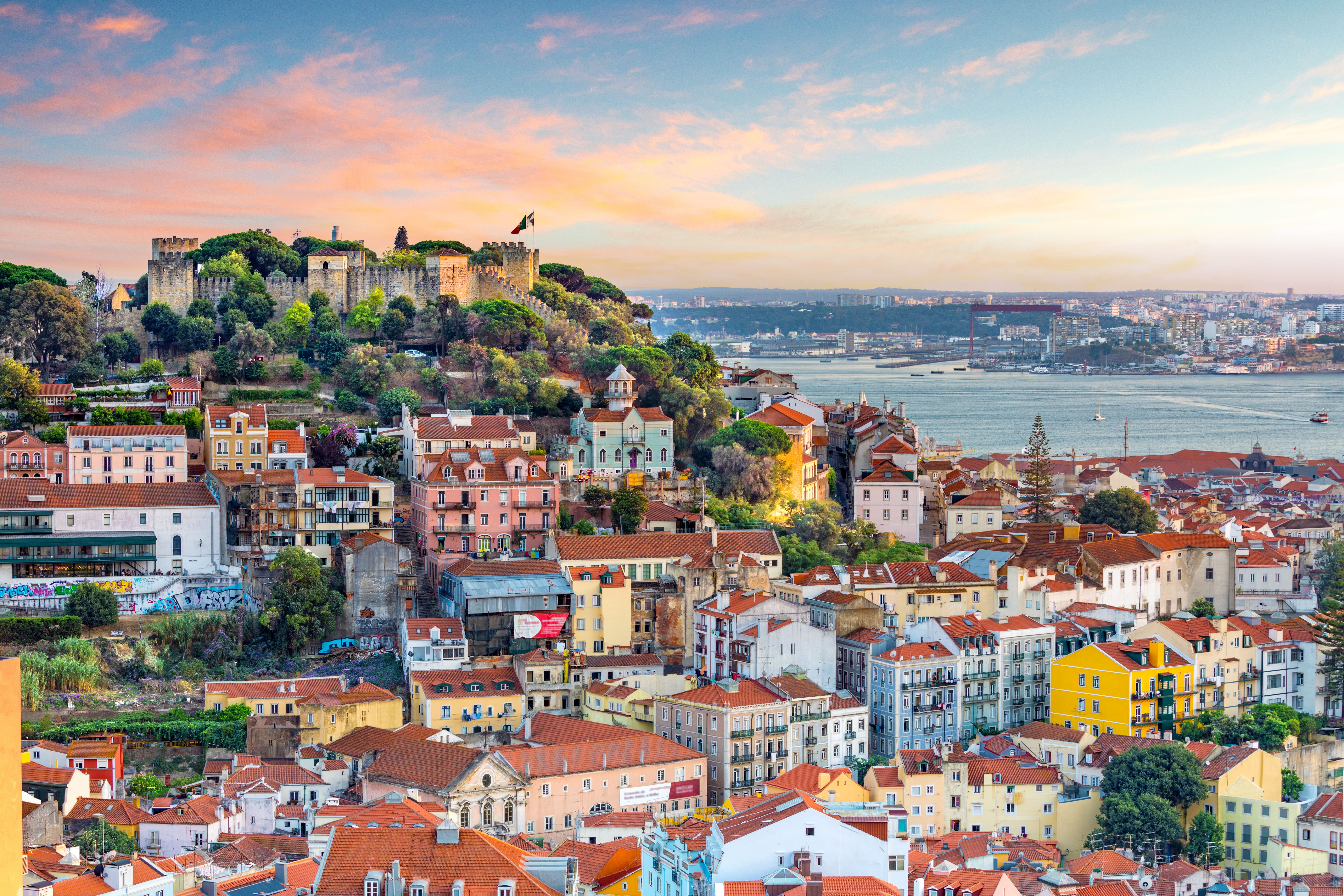
Nestled along the scenic shores of the Atlantic Ocean, Lisbon is a city rich in history and culture. Its unique architectural styles reflect a blend of influences from different eras, making it a fascinating destination for architecture enthusiasts. From Gothic to Manueline, and from Baroque to Pombaline, Lisbon offers a visual feast for those who appreciate the art of building design.
The Gothic Influence
The Gothic style in Lisbon is characterized by its pointed arches, ribbed vaults, and flying buttresses. This style can be seen in structures such as the Monastery of São Vicente de Fora. Built in the 17th century, this monastery exemplifies the grandeur and intricate detailing typical of Gothic architecture, offering visitors a glimpse into the city's medieval past.
Key Gothic Structures
Some of the most notable Gothic buildings in Lisbon include:
- The Jerónimos Monastery
- The Carmo Convent
These structures showcase the elegance and complexity of Gothic design, with towering spires and detailed stonework.
The Manueline Marvel
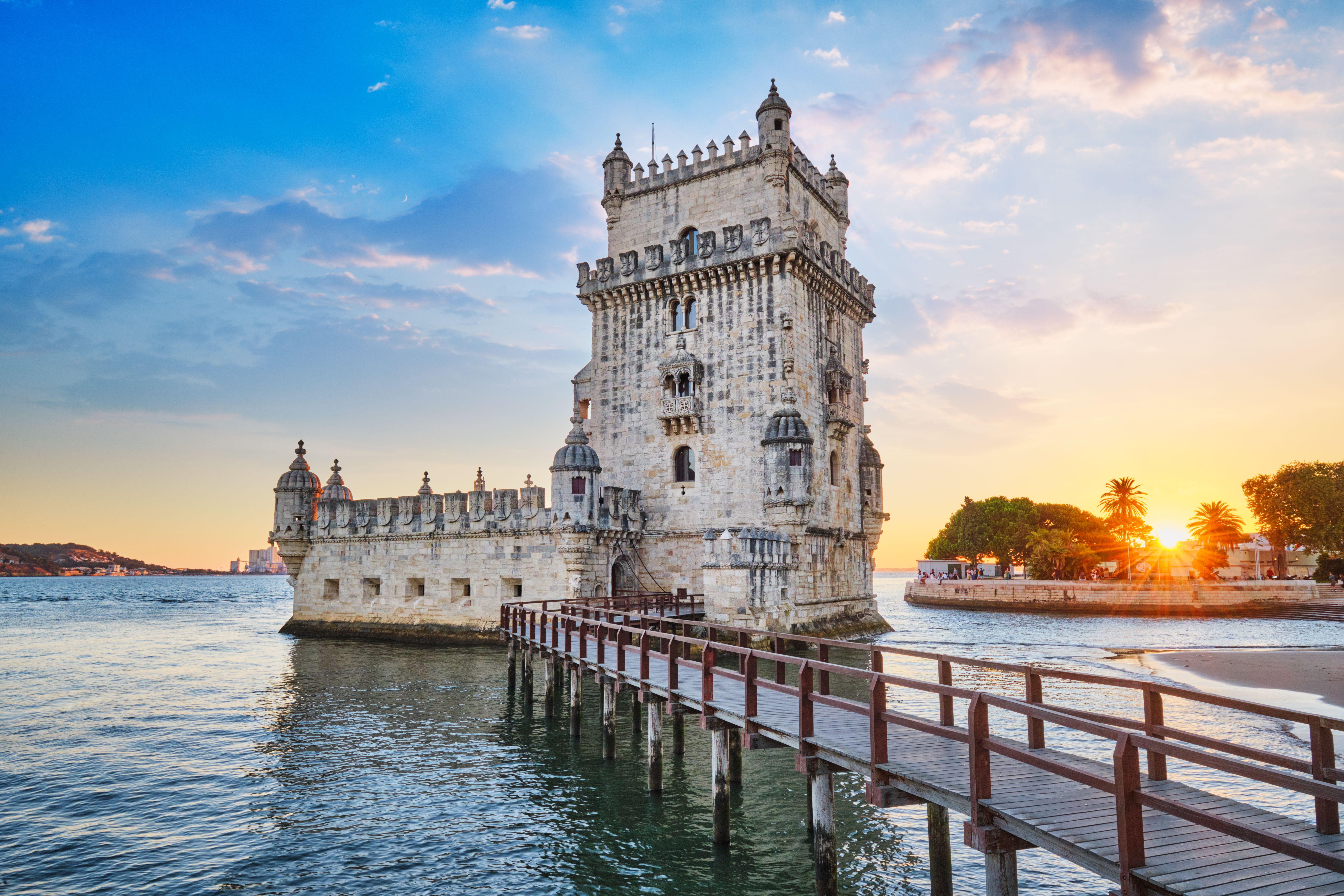
Unique to Portugal, the Manueline style is an ornate form of late Gothic architecture that incorporates maritime elements. Named after King Manuel I, this style represents the Age of Discoveries, when Portugal was a leading maritime nation. The Jerónimos Monastery and the Tower of Belém are prime examples of this luxurious and intricate style.
Characteristics of Manueline Architecture
Manueline architecture is known for its elaborate carvings, including motifs of ropes, shells, and other nautical symbols. This style reflects Portugal's rich seafaring history and adds an exotic touch to Lisbon's architectural landscape.
Baroque Brilliance
The Baroque period brought a sense of drama and grandeur to Lisbon's architecture. The Church of São Roque is a stunning example of Baroque design, featuring opulent decorations and intricate frescoes. The use of gold leaf and vivid colors creates a sense of splendor and luxury.
Symbolic Baroque Elements
Baroque architecture in Lisbon often includes:
- Ornate facade designs
- Rich interior decorations
- Dynamic forms and elaborate details
These elements contribute to the theatrical and majestic atmosphere of Baroque buildings.

Pombaline Pragmatism
Following the devastating earthquake of 1755, Lisbon underwent a major transformation with the introduction of Pombaline architecture. Named after the Marquis of Pombal, this style focuses on functional design and seismic resilience. The Baixa district is a testament to this innovative approach, featuring grid-like street layouts and utilitarian buildings.
Features of Pombaline Style
Pombaline buildings are characterized by their simplicity, symmetry, and use of the "cage" construction technique, which enhanced their ability to withstand earthquakes. This style represents a practical and forward-thinking approach to urban design.
Conclusion: A Tapestry of Styles
Lisbon's architectural diversity is a testament to its rich history and cultural evolution. Each style, from Gothic to Pombaline, adds a unique layer to the city's identity, creating a tapestry that is both beautiful and historically significant. Exploring Lisbon's architectural wonders offers a journey through time, revealing the stories of a city that has continuously reinvented itself.