
Exploring the Unique Architectural Styles of Lisboa


Introduction to Lisboa's Architectural Diversity
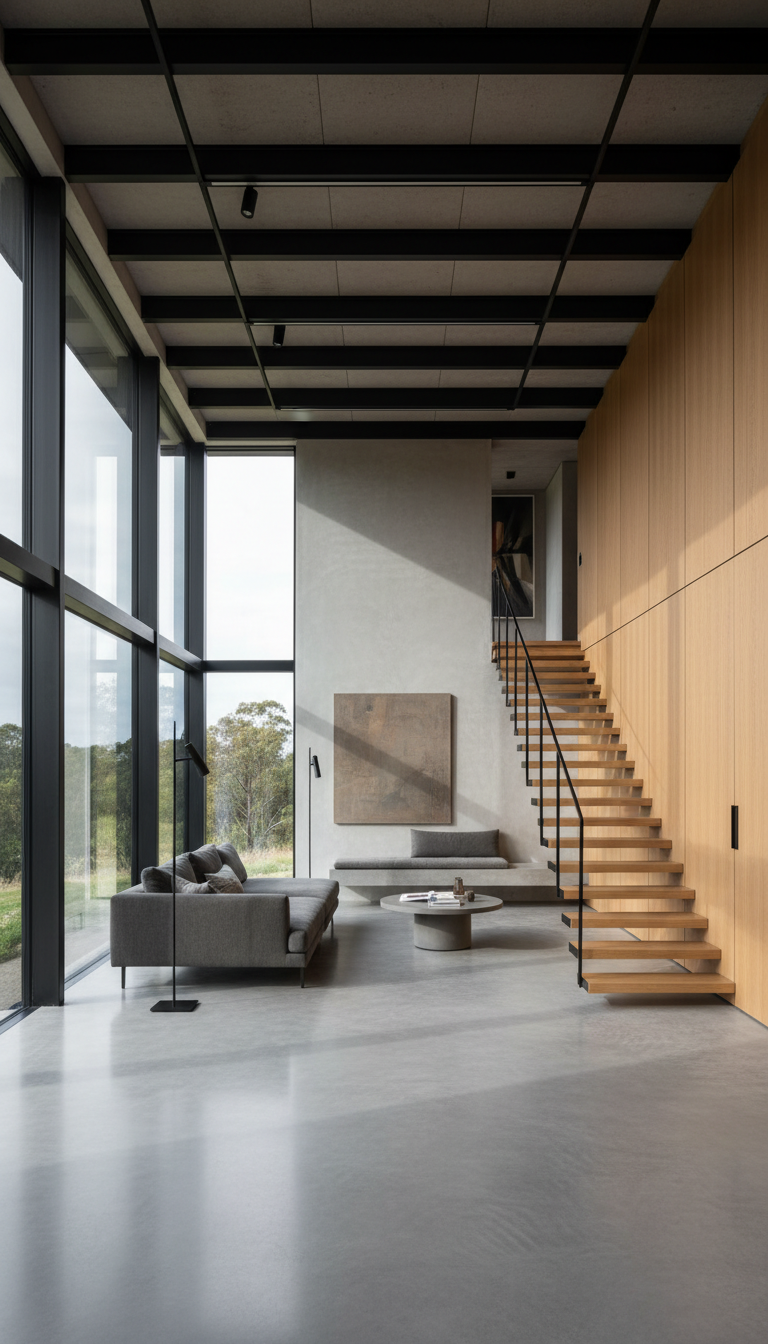
Lisboa, the capital of Portugal, is renowned for its rich tapestry of architectural styles. From the streets paved with cobblestones to the grand structures that tell tales of the past, Lisboa is a living museum. As you wander through its neighborhoods, you'll discover a city that marries the ancient with the contemporary, the ornate with the minimalist.
The Charm of Manueline Architecture
One of the most distinctive styles in Lisboa is the Manueline architecture, named after King Manuel I. This late Gothic style emerged in the early 16th century and is characterized by its intricate and elaborate ornamentation. Notable examples include the Jerónimos Monastery and the Tower of Belém. These structures are adorned with motifs inspired by the sea, reflecting Portugal's Age of Discoveries.
Baroque Grandeur
The Baroque period brought a sense of grandeur and opulence to Lisboa's architecture. This style is exemplified by the Church of São Roque, with its lavish interiors and dramatic use of light and shadow. The baroque style in Lisboa often incorporated tilework, known as azulejos, adding color and storytelling to the grand facades.

Pombaline Style: A Response to Disaster
In 1755, a devastating earthquake struck Lisboa, leading to the creation of the Pombaline style during the city's reconstruction. Named after the Marquis of Pombal, this architectural style is characterized by its pragmatic and anti-seismic design. Features include grid-patterned streets and buildings with uniform facades, seen prominently in the Baixa district.
Art Nouveau and Modernist Influences
As the 20th century dawned, Lisboa embraced Art Nouveau and Modernist influences. Buildings from this era often feature curved lines, decorative ironwork, and organic forms. The Calouste Gulbenkian Museum is a prime example of modernist architecture, showcasing clean lines and functional design.
Contemporary Innovations
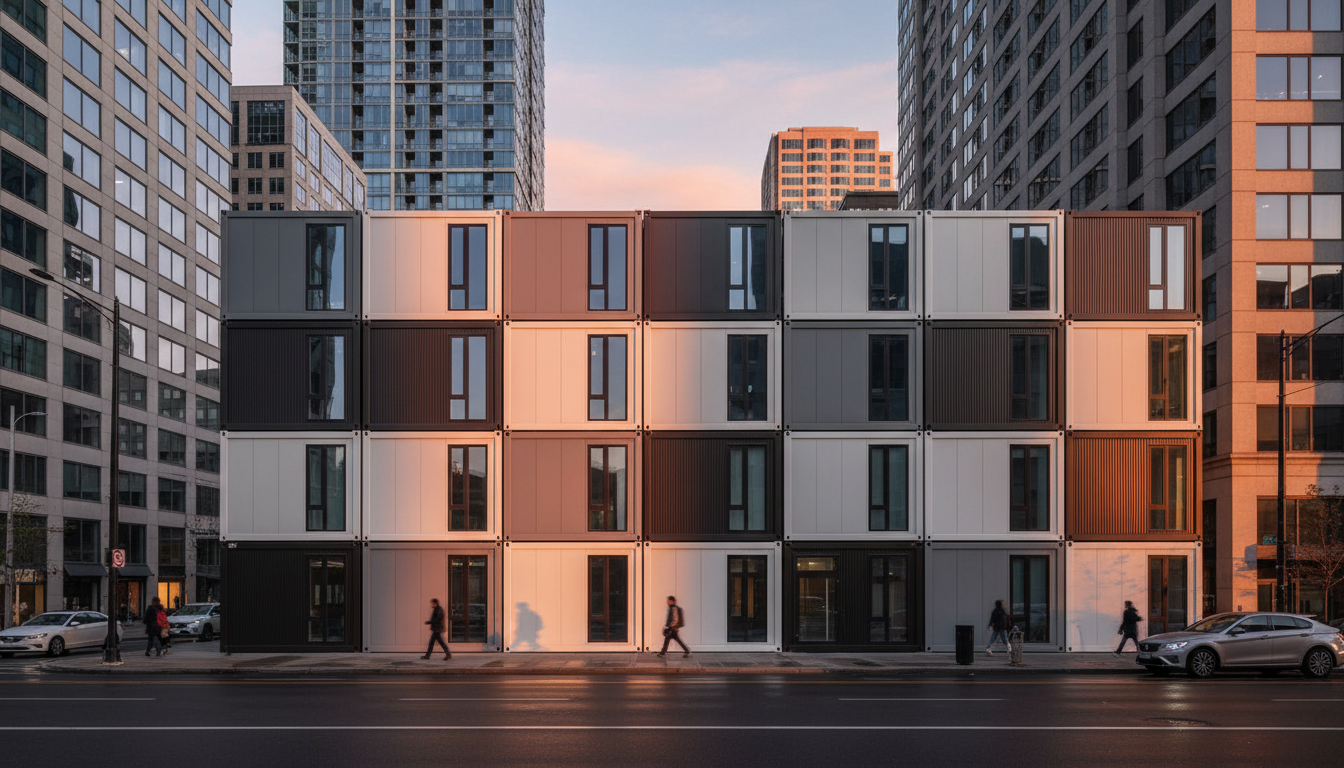
Today, Lisboa continues to evolve with contemporary architecture that pushes boundaries. The MAAT (Museum of Art, Architecture and Technology) stands as a testament to modern innovation, with its undulating form and interactive spaces. Contemporary designs blend seamlessly with the historic, creating a dynamic urban landscape.
The Role of Azulejos
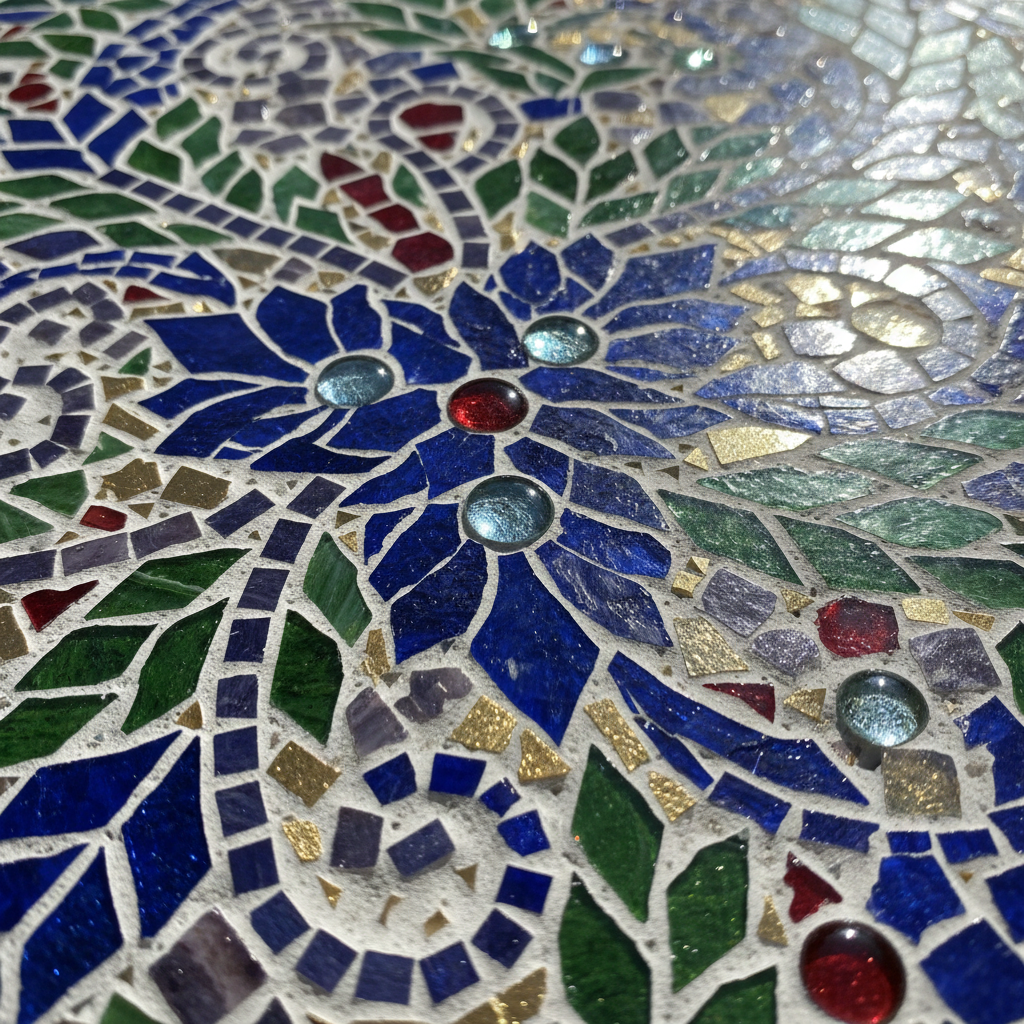
No exploration of Lisboa's architecture would be complete without mentioning azulejos. These decorative ceramic tiles are found throughout the city, adorning both interiors and exteriors. They serve not only as artistic expressions but also as functional elements, protecting buildings from heat and moisture.
Exploring Neighborhoods
Each neighborhood in Lisboa offers a unique architectural perspective. Alfama, with its narrow alleys and Moorish influences, contrasts with the modernist vibe of the Parque das Nações. Whether you're in the historic heart or the cosmopolitan districts, there's something to captivate every architectural enthusiast.
Conclusion: A City of Endless Discovery
Lisboa's architectural styles are as diverse as its history, offering a journey through time and design. From the intricate Manueline to the sleek modernist, the city's buildings tell stories of resilience, creativity, and cultural fusion. As you explore Lisboa, you'll find that its architecture is not just a backdrop but an integral part of its vibrant identity.