
Exploring the Unique Architectural Styles of Lisboa


Lisboa's Architectural Tapestry
Lisboa, Portugal's capital, is a city where history and modernity coexist in harmony. Its architectural landscape is a testament to the diverse influences that have shaped the city over centuries. From Gothic and Manueline styles to contemporary designs, Lisboa offers a visual feast for architecture enthusiasts.
Gothic and Manueline Influences
The Gothic style is evident in several of Lisboa's iconic structures. The Jerónimos Monastery, a UNESCO World Heritage site, showcases stunning Gothic and Manueline elements, characterized by intricate stonework and maritime motifs. This style emerged during the Age of Discoveries, reflecting Portugal's maritime prowess.
Another example is the Carmo Convent, with its hauntingly beautiful ruins that stand as a reminder of the 1755 earthquake. The open sky above the Gothic arches creates a unique and ethereal atmosphere, attracting visitors from around the world.
Pombaline Architecture: A City Rebuilt
After the devastating earthquake of 1755, Lisboa was rebuilt under the guidance of the Marquês de Pombal. This reconstruction gave birth to the Pombaline style, characterized by its grid-like street layout and earthquake-resistant structures. The Baixa district, with its elegant squares and uniform buildings, is a prime example of this architectural approach.
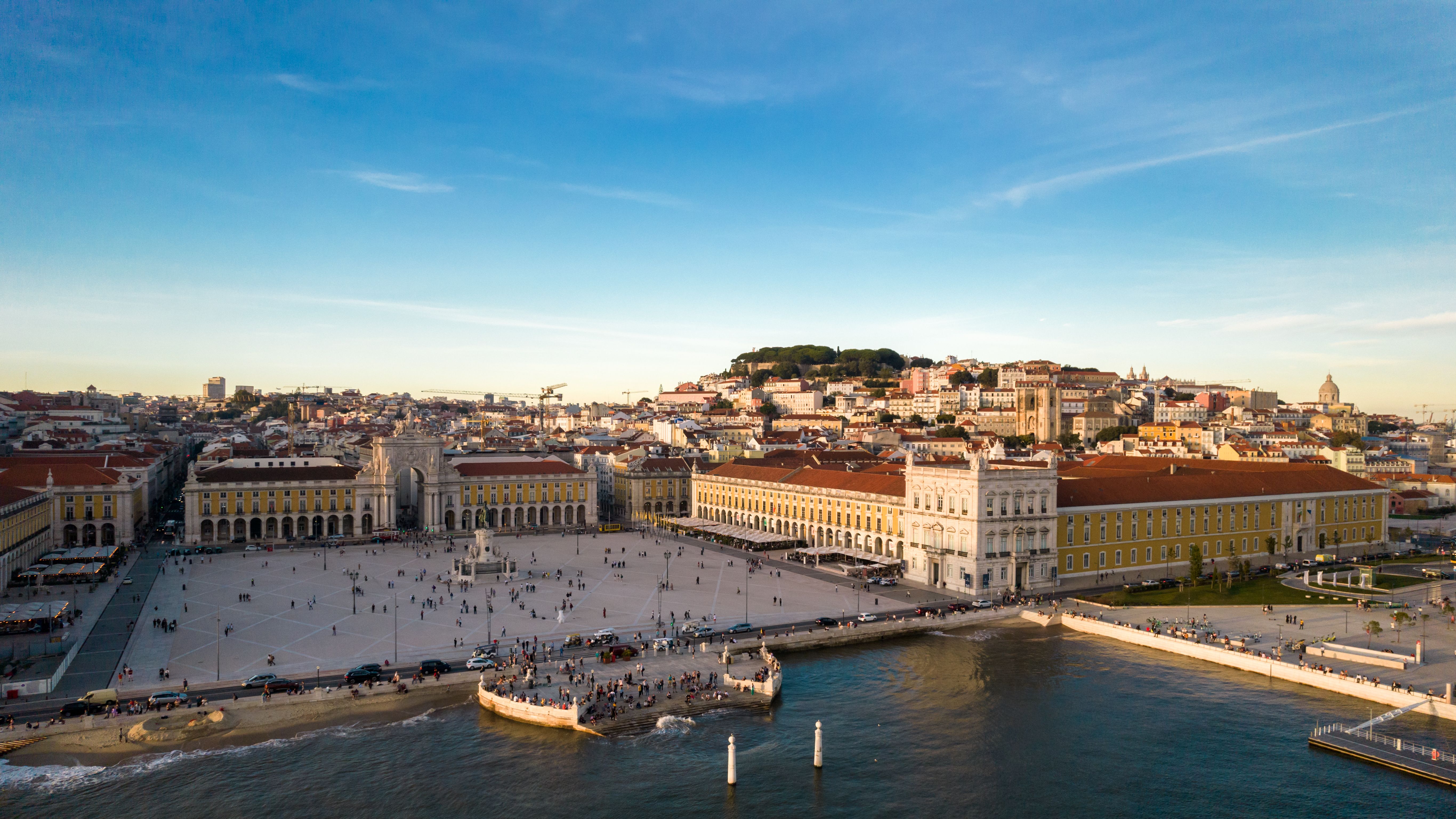
These buildings often feature simple facades, symmetrical windows, and decorative stone elements. The Pombaline style reflects a practical yet aesthetically pleasing approach, balancing functionality with beauty.
The Charm of Azulejos
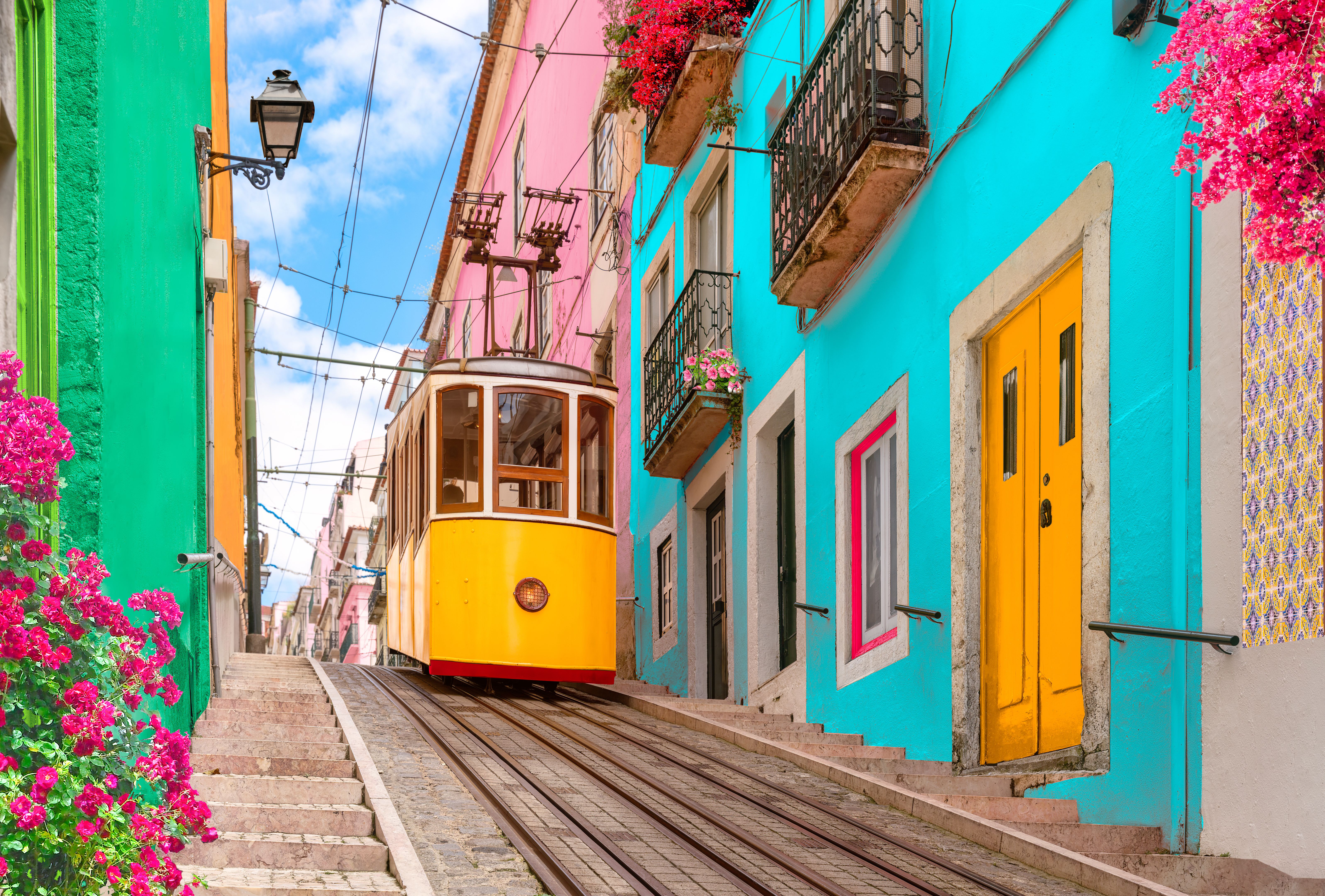
No exploration of Lisboa's architecture would be complete without mentioning the iconic azulejos. These traditional ceramic tiles can be found adorning buildings throughout the city, adding a splash of color and intricate design. From the Alfama district to the walls of train stations, azulejos tell stories through their patterns and portrayals of historical events.
These tiles not only serve as decorative elements but also play a functional role in protecting buildings from humidity. Their vibrant colors and detailed artistry make them a beloved feature of Lisboa's architectural identity.

Modern and Contemporary Structures
While Lisboa is steeped in history, it also embraces modernity with open arms. The Parque das Nações area, developed for the 1998 World Expo, is a hub of contemporary architecture. The Vasco da Gama Tower and the Oriente Station are standout examples, showcasing innovative designs and modern materials.
Additionally, the MAAT (Museum of Art, Architecture and Technology) is a striking piece of contemporary architecture along the Tagus River. Its undulating form and minimalist aesthetic provide a stark contrast to the historic structures found elsewhere in the city.
Conclusion: A City of Contrasts
Lisboa's architectural styles are as diverse as its history, offering a unique journey through time for anyone who strolls its streets. Whether you're enchanted by the ornate details of the Manueline style or the sleek lines of contemporary designs, Lisboa provides a rich tapestry of architectural wonders to explore.
This blend of old and new, traditional and innovative, is what makes Lisboa a captivating destination for architecture lovers and curious travelers alike. Each building tells a story, inviting you to discover the layers of history and creativity that define this vibrant city.