
Designing for Lisbon: How Local Culture Influences Architectural Styles


Introduction to Lisbon's Architectural Diversity
Lisbon, the vibrant capital of Portugal, is a city where history meets modernity, creating a unique architectural tapestry. The city's rich cultural heritage is reflected in its diverse architectural styles, influenced by various historical periods and cultural exchanges. From Gothic cathedrals to modernist structures, Lisbon's architecture tells the story of its past and present.
Understanding the architectural landscape of Lisbon requires diving into its cultural influences. The city's architecture is not just about aesthetic appeal; it's a reflection of the local way of life, traditions, and values.
The Influence of the Age of Exploration
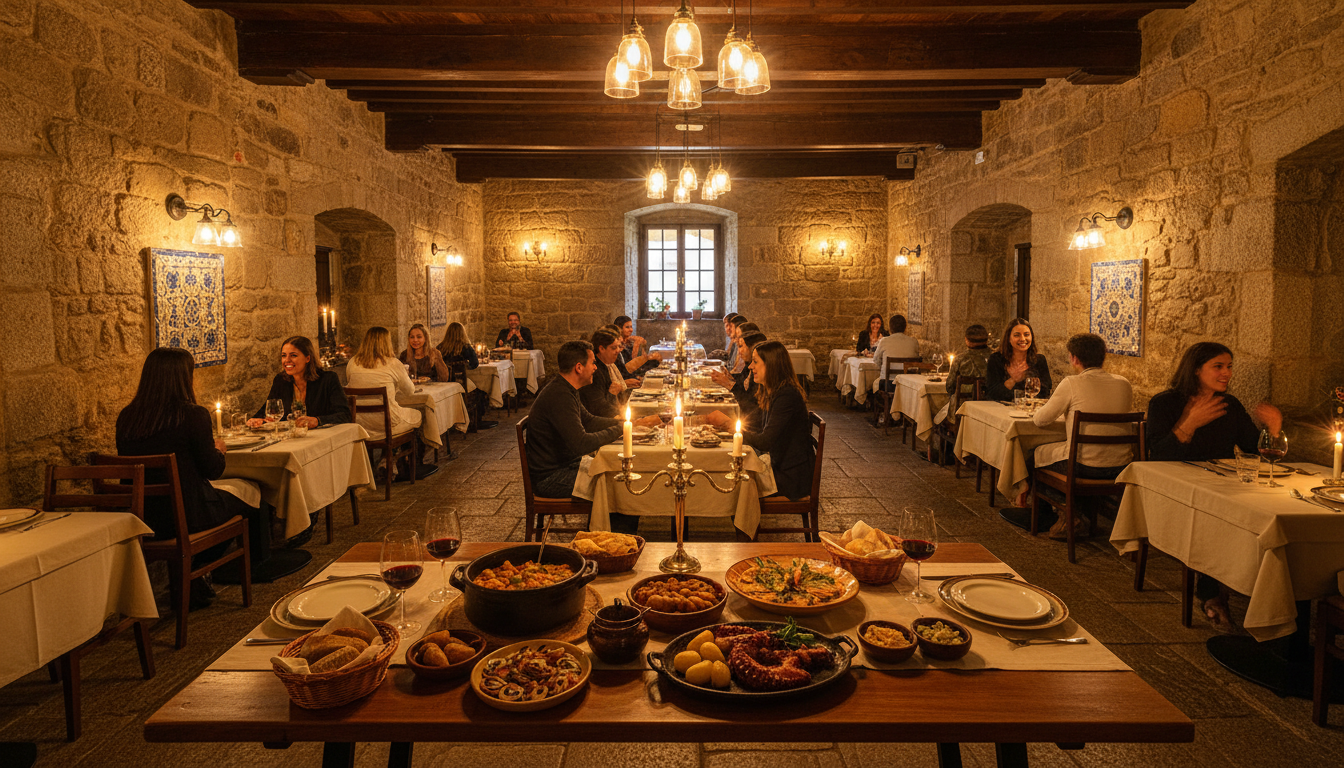
During the Age of Exploration, Lisbon became a hub of global trade and cultural exchange. This period significantly influenced the city's architectural development. The Manueline style, a unique Portuguese architectural style, emerged during this time, characterized by intricate stonework and maritime motifs.
This style is a blend of Gothic, Moorish, and Renaissance elements, symbolizing Portugal's explorations and discoveries. The Jerónimos Monastery and the Tower of Belém are prime examples of this style, showcasing the grandeur and ambition of that era.
Baroque and Neoclassical Influences
The Baroque period brought about a transformation in Lisbon's architectural scene. The use of ornate details, grand staircases, and bold structures became prevalent. Churches and palaces from this era exhibit the dramatic flair typical of Baroque architecture.
Following the devastating earthquake of 1755, the city underwent a major reconstruction, leading to the rise of Neoclassical architecture. The Pombaline style, named after the Marquês de Pombal, incorporated safety features and a grid layout, emphasizing functionality and elegance.
Modern and Contemporary Architecture
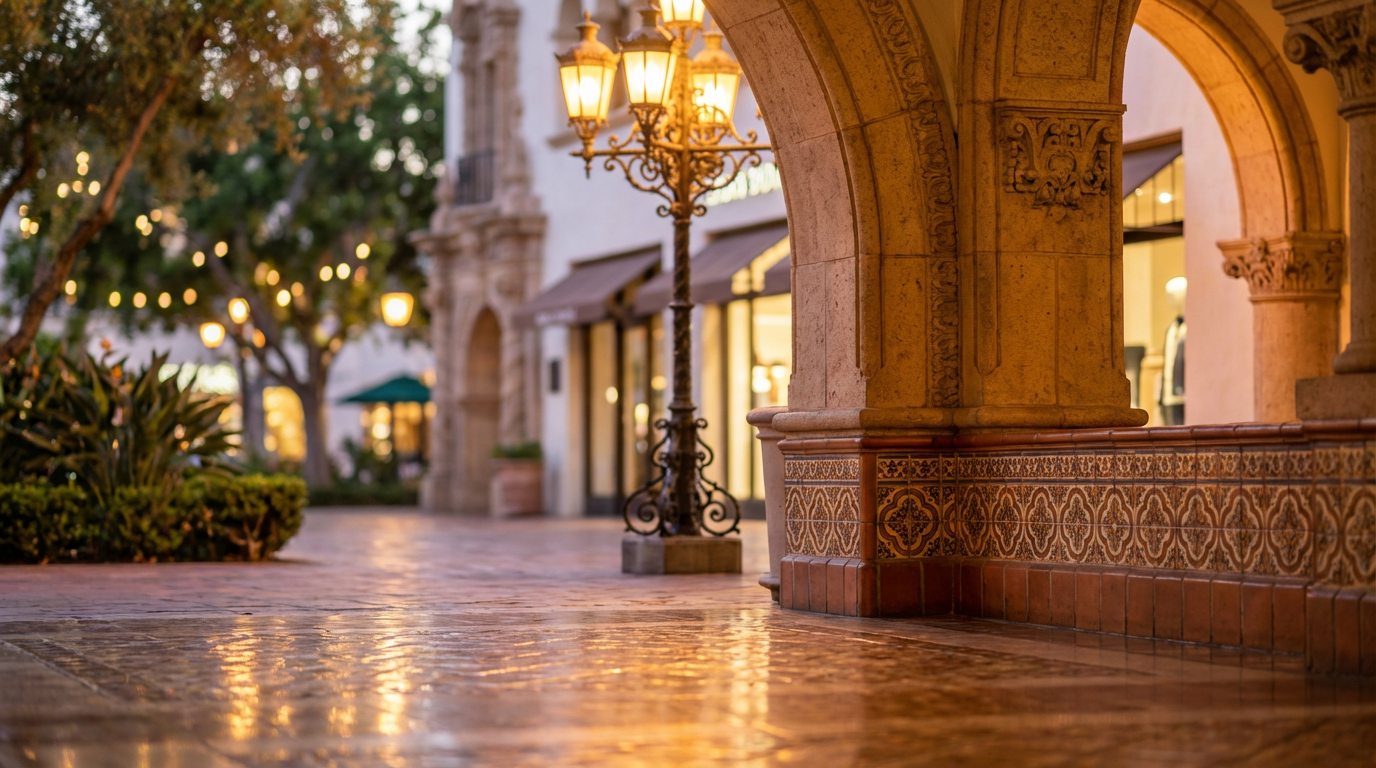
In the 20th century, Lisbon embraced modernism, with architects experimenting with new materials and designs. Modernist buildings in the city often highlight simplicity, clean lines, and innovative use of space.
Today, Lisbon continues to evolve, blending contemporary architecture with its historical legacy. The Parque das Nações area, developed for the 1998 World Expo, showcases modern design and sustainable architecture, reflecting the city's forward-thinking spirit.
The Role of Local Materials and Techniques
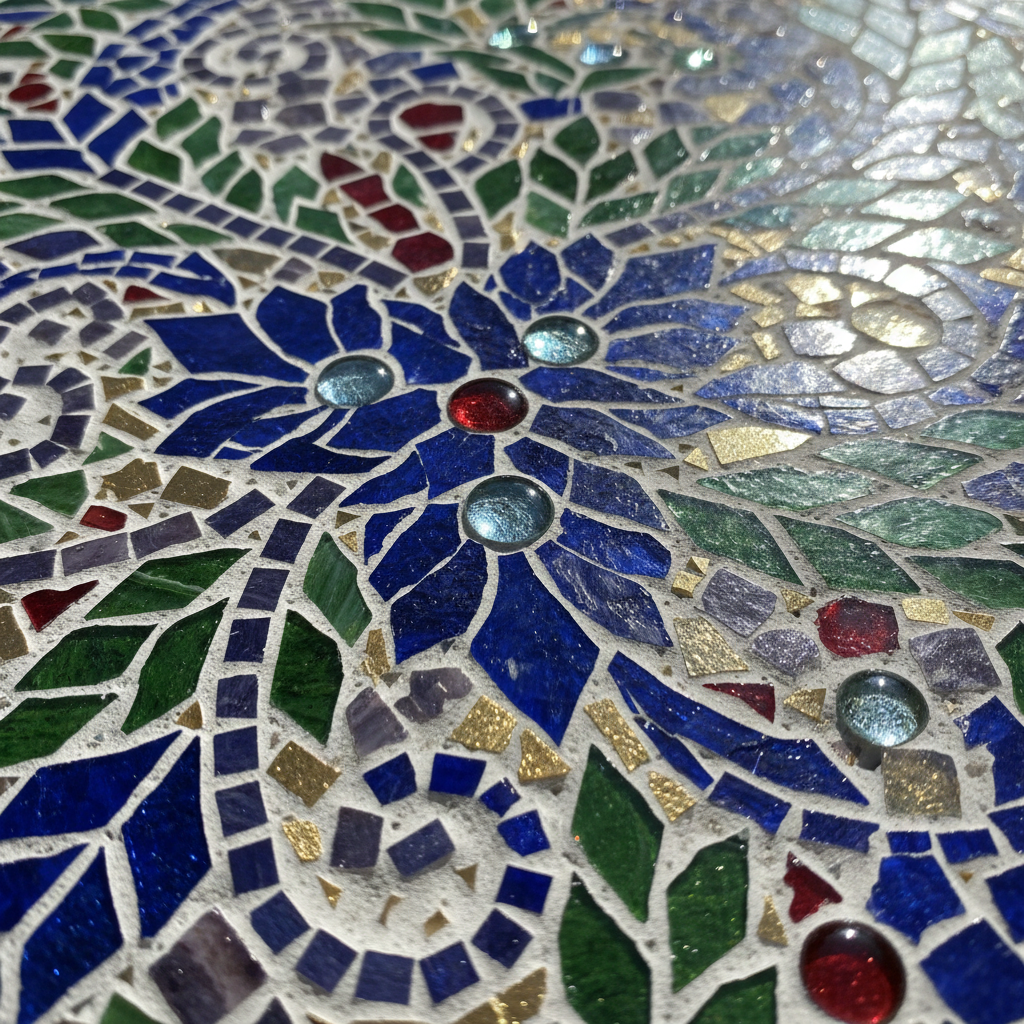
Lisbon's architecture is also deeply connected to local materials and techniques. The use of traditional azulejos (decorative ceramic tiles) adds color and texture to buildings, while calçada portuguesa (Portuguese pavement) enhances the city's streetscapes with intricate patterns.
These elements not only beautify the city but also preserve its cultural identity, making Lisbon's architecture truly unique.
Conclusion: A City of Timeless Beauty
Lisbon's architectural styles are a testament to its rich cultural heritage and dynamic history. From the maritime-inspired Manueline to the sleek lines of modernism, each style tells a story of influence and adaptation.
As you stroll through Lisbon's streets, the diverse architecture offers a visual journey through time, reflecting the city's resilience and creativity in the face of change. Whether you're an architecture enthusiast or a casual traveler, Lisbon's architectural beauty is sure to captivate and inspire.