
Debunking Common Myths About Architecture Design in Lisbon


Understanding the Architectural Landscape of Lisbon
Lisbon, a city rich in history and culture, is renowned for its unique architectural style. However, several myths persist about its design and structure. These misconceptions often overshadow the true essence of the city's architectural beauty. In this article, we aim to debunk some of these common myths and offer a clearer perspective on Lisbon's architectural landscape.
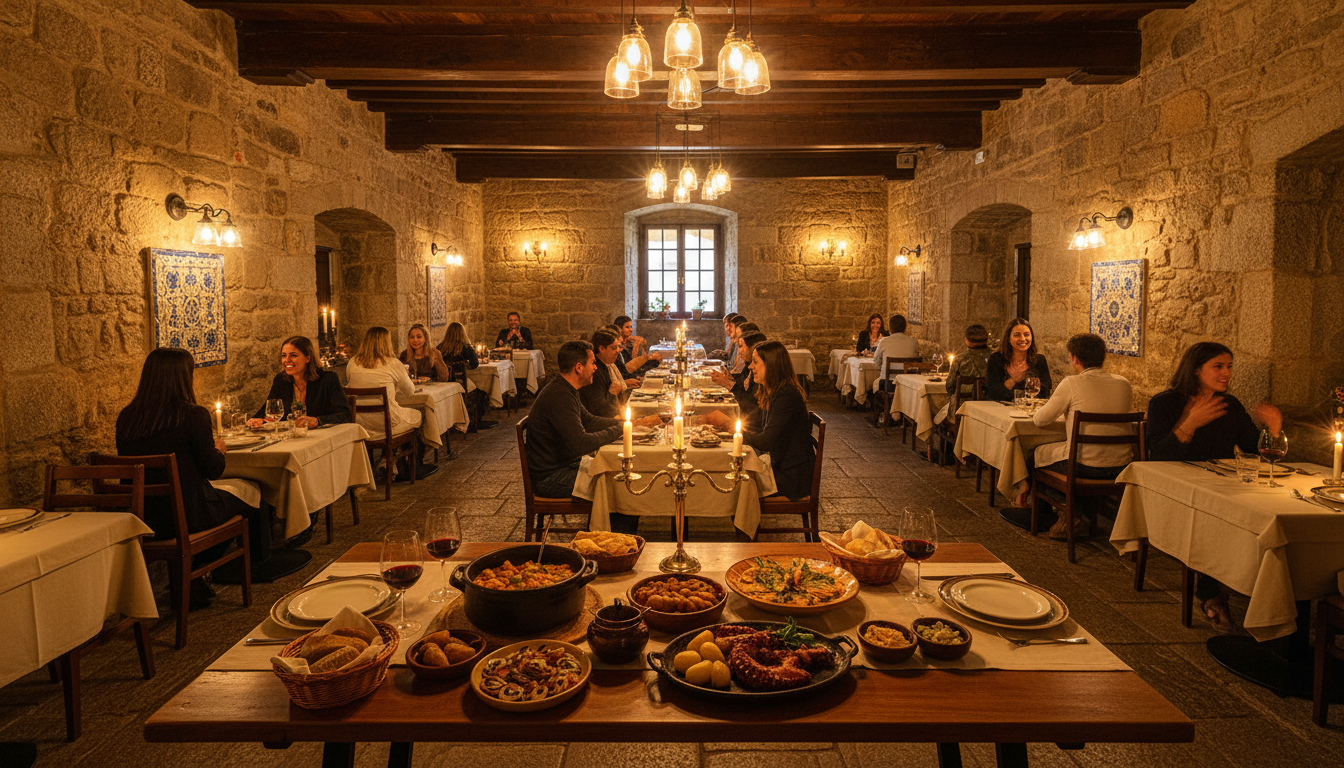
Myth 1: Lisbon's Architecture Is Only About Tiles
While it's true that Lisbon is famous for its colorful azulejos, or ceramic tiles, this is just one aspect of its architectural charm. The city is a tapestry of various influences, including Gothic, Baroque, and Modernist styles. The intricate tile work is a highlight, but Lisbon's architecture also features grand palaces, stunning cathedrals, and contemporary marvels.
Moreover, the use of tiles in Lisbon serves both decorative and functional purposes, such as controlling temperature and protecting buildings from the elements. This multifaceted approach is a testament to the city's innovative spirit.
Myth 2: Lisbon's Architecture Is Stuck in the Past
A common misconception is that Lisbon's architecture is solely rooted in its historical past. However, the city is also a hub for modern and innovative design. Contemporary architects are leaving their mark with cutting-edge projects that complement the city's historical backdrop.
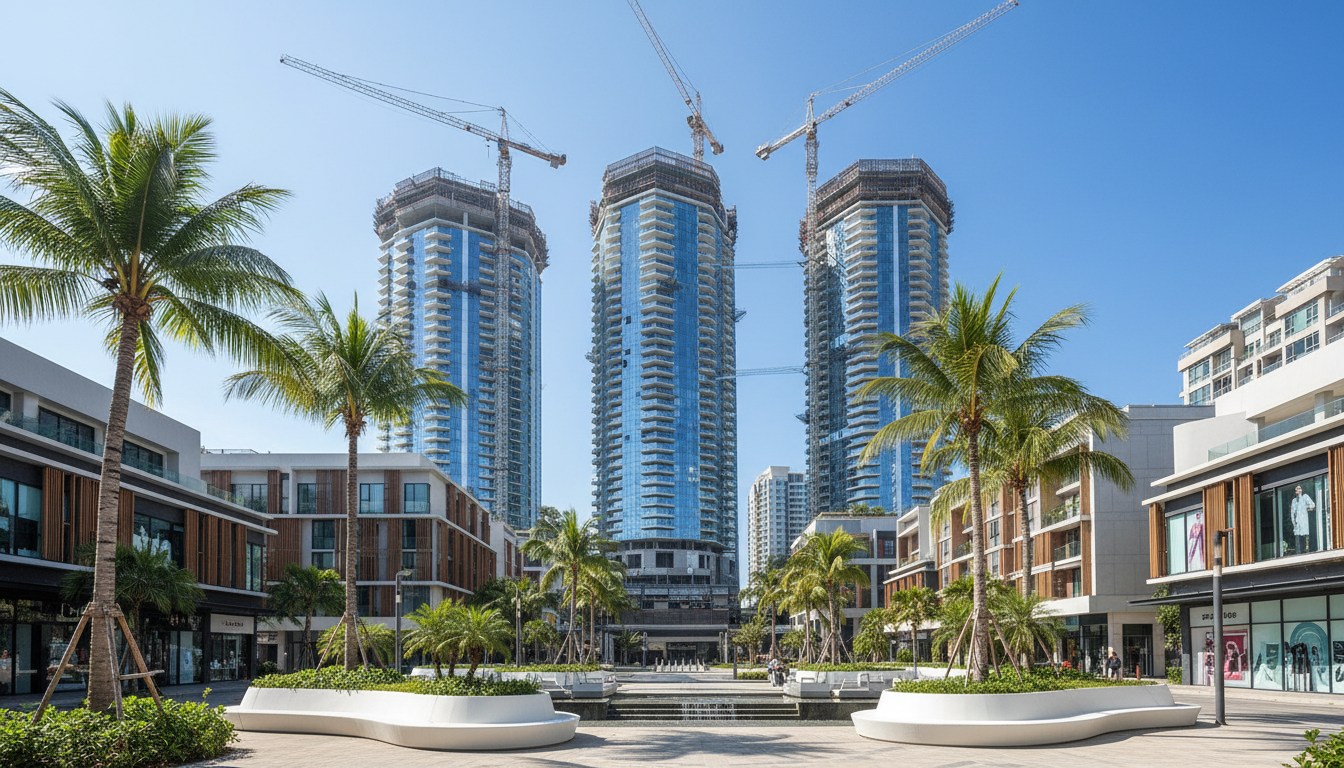
Lisbon's architectural scene is vibrant and evolving, blending the old with the new. The Parque das Nações district, for instance, showcases modern architectural achievements that stand proudly alongside historic landmarks.
Myth 3: All Buildings Are Whitewashed
While many traditional Lisbon buildings feature white facades, the city is far from monochrome. Vibrant colors abound, from pastel-hued houses in the Alfama district to bold, striking tones in newer neighborhoods. This palette reflects the city's lively and dynamic culture.
Additionally, the use of different colors and materials often highlights the diverse influences that have shaped Lisbon over the centuries, offering a visual narrative of its rich history.

Myth 4: Earthquakes Have Limited Architectural Ambitions
The devastating earthquake of 1755 did reshape Lisbon, but rather than stifling architectural ambition, it inspired innovation. The reconstruction led to the development of the Pombaline style, characterized by its earthquake-resistant structures.
This innovative approach to design has left a lasting legacy, with Lisbon becoming a pioneer in urban planning and resilient architecture. Today, architects continue to build on this foundation, creating structures that honor the past while embracing modern advancements.
Conclusion: Celebrating Lisbon's Architectural Diversity
Lisbon's architecture is a rich tapestry woven from diverse influences and eras. By debunking these common myths, we can better appreciate the city's true architectural identity. From historic grandeur to modern innovation, Lisbon is a testament to the enduring power and adaptability of design.
As you explore the city, take a moment to look beyond the myths and discover the true beauty and complexity of Lisbon's architectural landscape.