
Debunking Common Myths About Architectural Design in Portugal


Understanding the Essence of Portuguese Architecture
Portugal is renowned for its rich architectural heritage, yet several myths obscure the true nature of its design aesthetics. By debunking these misconceptions, we can appreciate the innovative spirit and historical depth of Portuguese architecture. From the iconic Manueline style to contemporary innovations, each era tells a unique story.
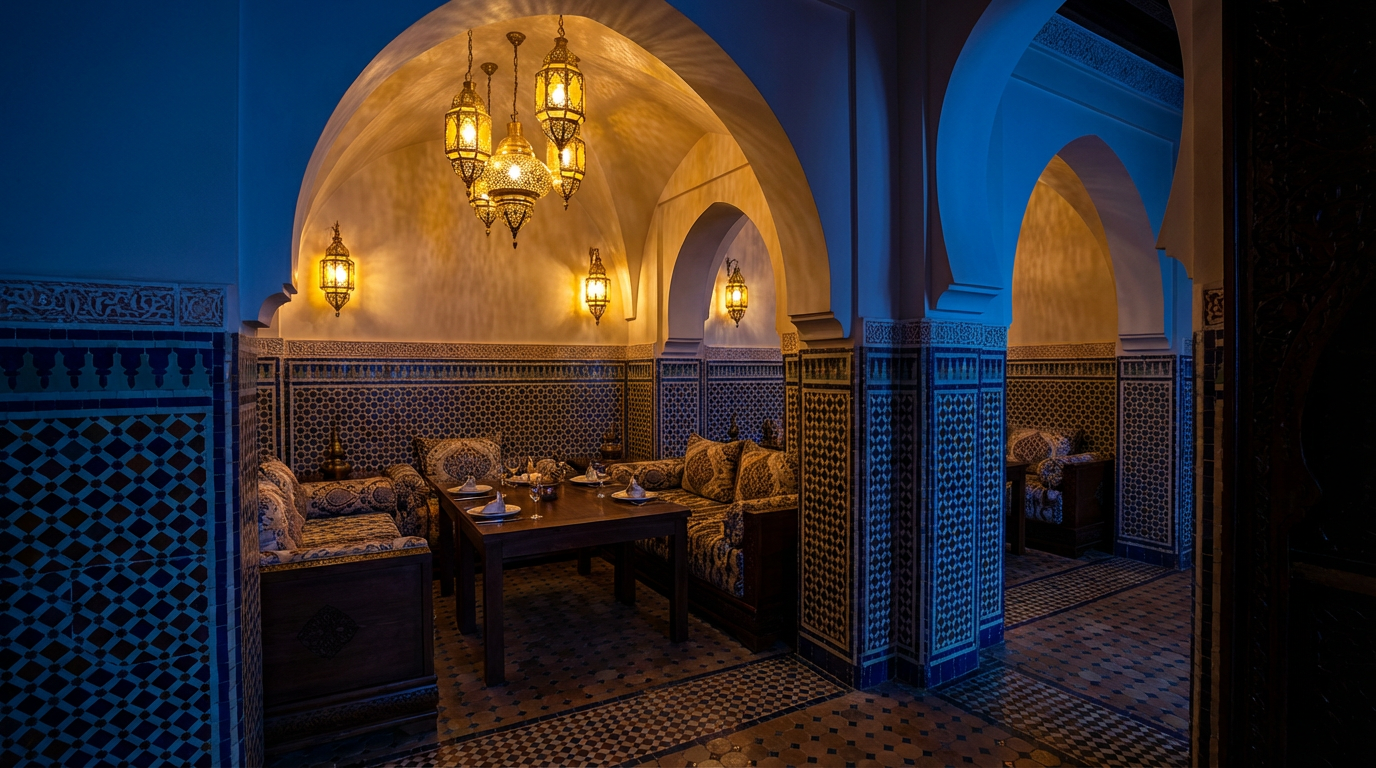
Myth 1: Portuguese Architecture Is Only About Historical Styles
While Portugal is famous for its historical styles like Manueline and Baroque, it is a mistake to believe that its architectural landscape is stuck in the past. Modern architects in Portugal are blending tradition with innovation, creating structures that push the boundaries of sustainability and design. The nation’s architects are pioneers in incorporating eco-friendly materials and techniques.
The Casa da Música in Porto is a prime example of modern Portuguese architecture. Designed by Rem Koolhaas, this concert hall showcases how contemporary structures can coexist with historic surroundings, proving that Portuguese architecture is dynamic and evolving.
Myth 2: All Portuguese Buildings Are Covered in Azulejos
Azulejos, the beautiful ceramic tiles, are indeed a significant element of Portuguese architecture, but not every building is adorned with them. These tiles are often used for decorative purposes, adding color and narrative to spaces. However, many structures, especially modern ones, utilize different materials and designs.
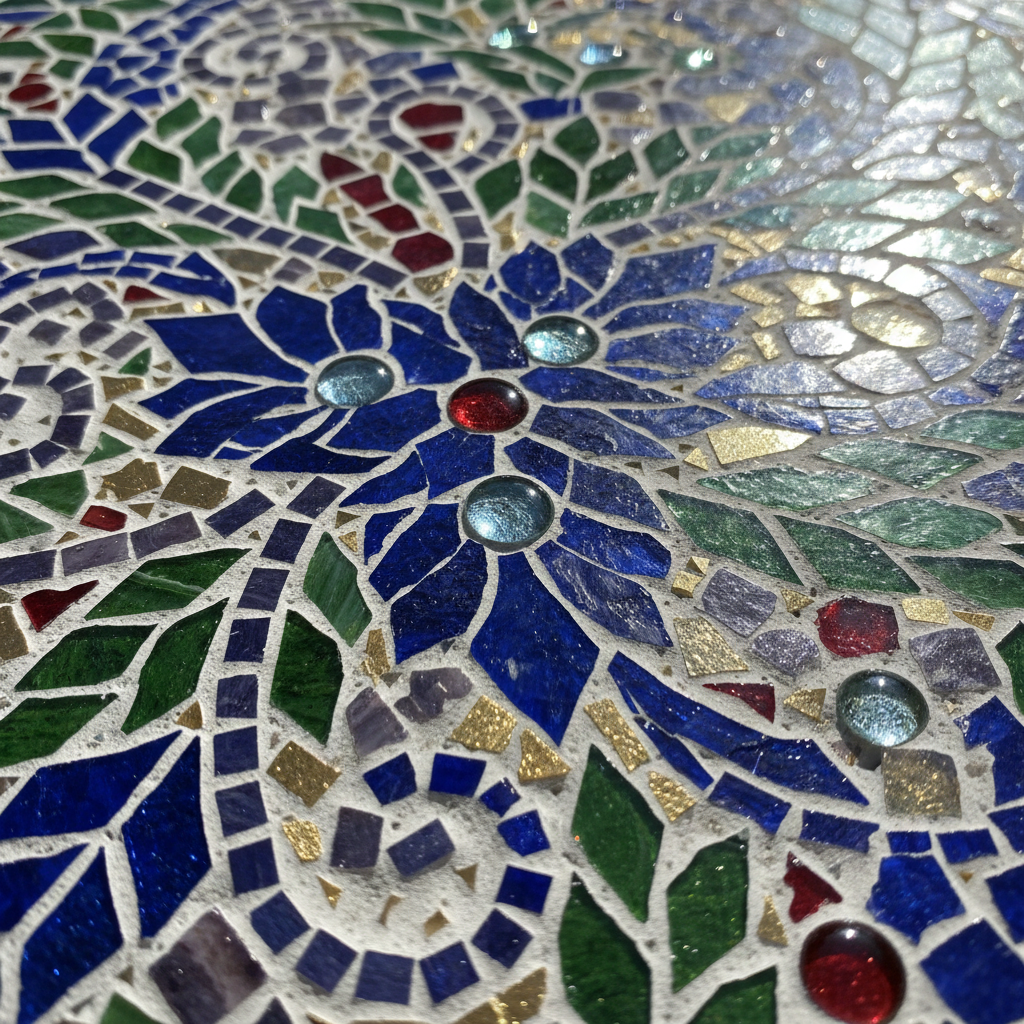
Many architects use other elements like glass, wood, and metal to create minimalist and sleek designs. The use of diverse materials reflects the adaptability and creativity inherent in Portuguese architectural practices.
Myth 3: Portuguese Architecture Lacks Diversity
This myth overlooks the varied influences that have shaped Portugal’s architectural identity. From Gothic cathedrals to Moorish castles and Romanesque monasteries, Portugal's architectural tapestry is rich and diverse. Each region offers unique architectural elements based on local history and cultural influences.
The Algarve region, for example, is known for its whitewashed buildings with Moorish influences, while the North of Portugal boasts grandiose Baroque structures. This diversity enhances the architectural richness of the country.
Myth 4: Sustainability Is Not a Focus in Portuguese Design
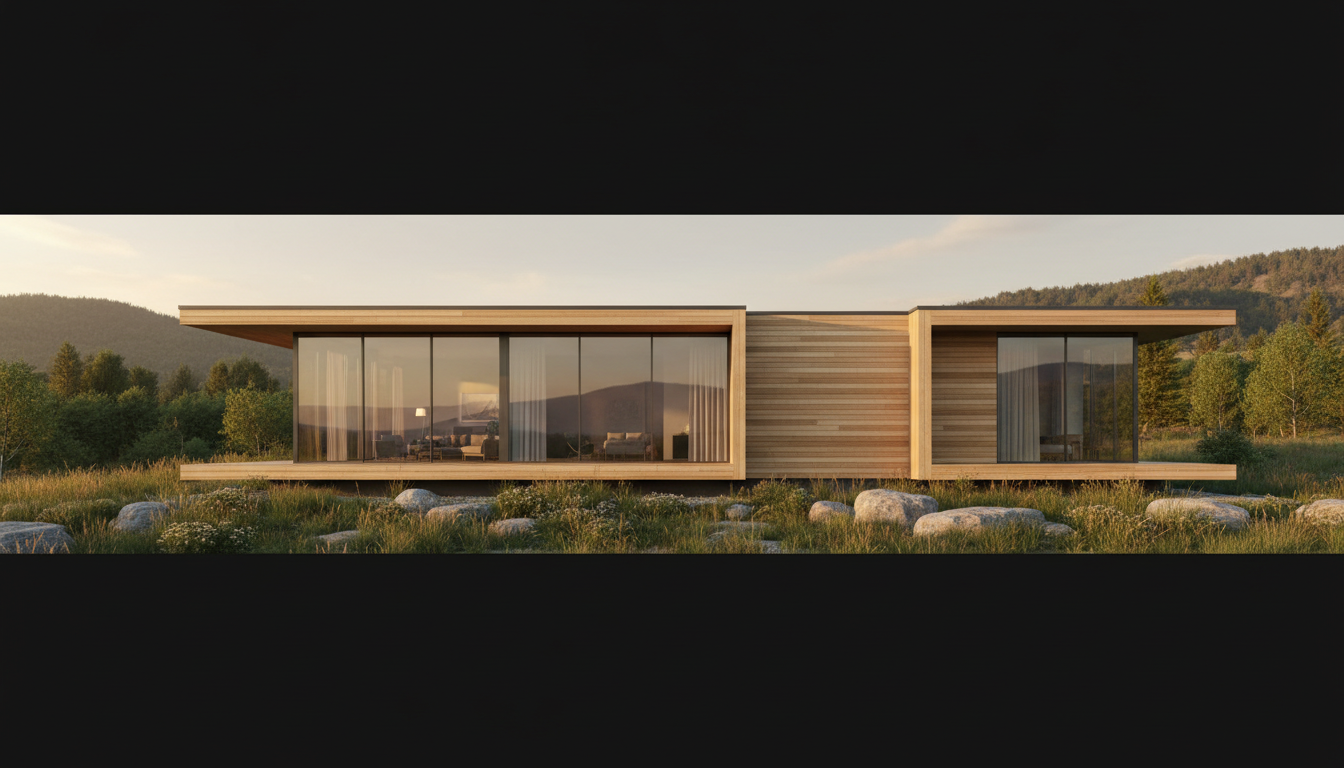
Contrary to this belief, sustainability is increasingly central to architectural design in Portugal. Architects are integrating renewable energy solutions, green roofs, and sustainable materials into their projects. This commitment to the environment reflects a global trend towards more sustainable living spaces.
Many new developments prioritize energy efficiency and minimal environmental impact, ensuring that Portuguese architecture continues to evolve responsibly.
Conclusion: Embracing the True Nature of Portuguese Architecture
By debunking these myths, we gain a clearer understanding of the complexity and beauty of architectural design in Portugal. It is a field marked by innovation, diversity, and a deep respect for both history and the future. As Portugal continues to grow and change, its architecture will undoubtedly reflect these new dynamics, offering insights into the country's evolving identity.