
Comprehensive Guide to Designing Modern Architecture Projects in Lisboa


Understanding the Essence of Modern Architecture
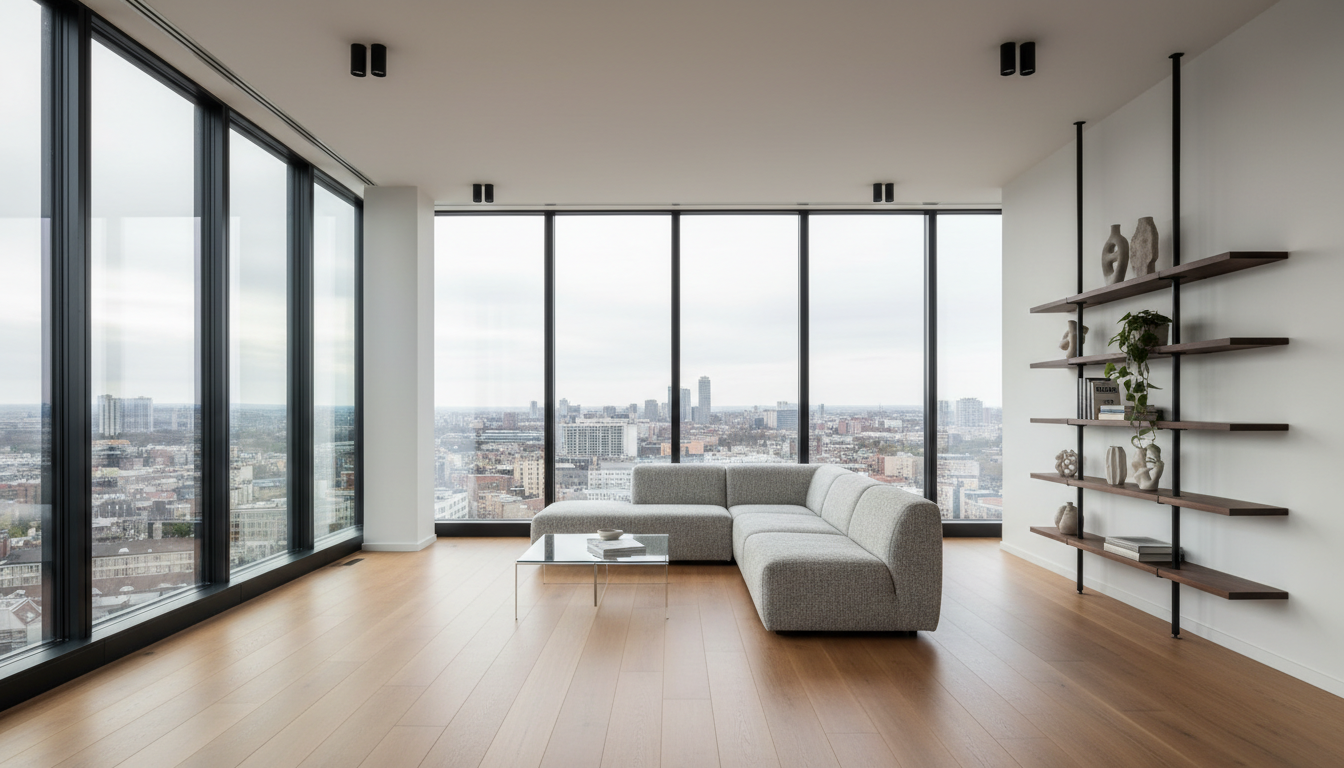
Lisboa, with its rich history and vibrant culture, is a city that embraces both tradition and innovation. When designing modern architecture projects in this city, it's crucial to understand the essence of modern architecture. This style prioritizes simplicity, functionality, and a connection to the surrounding environment. Modern architecture in Lisboa often involves clean lines, open spaces, and the use of contemporary materials that harmonize with the city's unique landscape.
Incorporating the local culture and environment into your designs not only enhances aesthetic appeal but also ensures sustainability and relevance. By leveraging local materials and traditional techniques, architects can create structures that are both modern and deeply rooted in Lisboa’s cultural heritage.
Key Elements to Consider
Materials and Sustainability
A significant aspect of modern architecture is the focus on sustainable materials. In Lisboa, architects are increasingly turning to eco-friendly options like recycled wood, solar panels, and energy-efficient glass. These materials not only reduce the carbon footprint but also contribute to the building's long-term sustainability.
- Recycled Wood: Offers a rustic yet modern aesthetic.
- Solar Panels: Harness Lisboa’s abundant sunlight for energy efficiency.
- Energy-efficient Glass: Enhances natural lighting while minimizing heat gain.
Designing for the Local Climate
Lisboa’s Mediterranean climate is another essential factor in architectural design. Incorporating elements like shaded terraces, natural ventilation, and strategic window placements can significantly improve comfort levels within a building. Architects must consider these aspects to create spaces that are both beautiful and functional in all seasons.
Balancing Innovation with Tradition
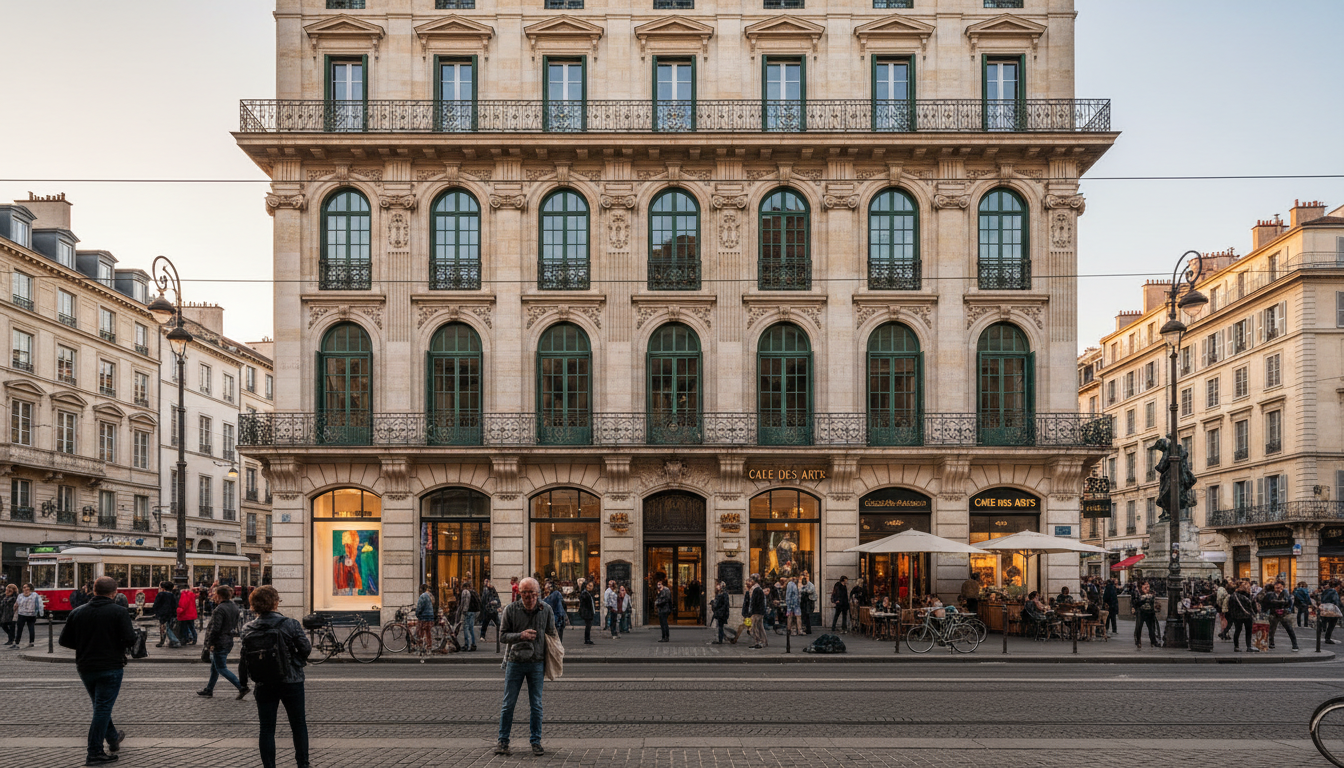
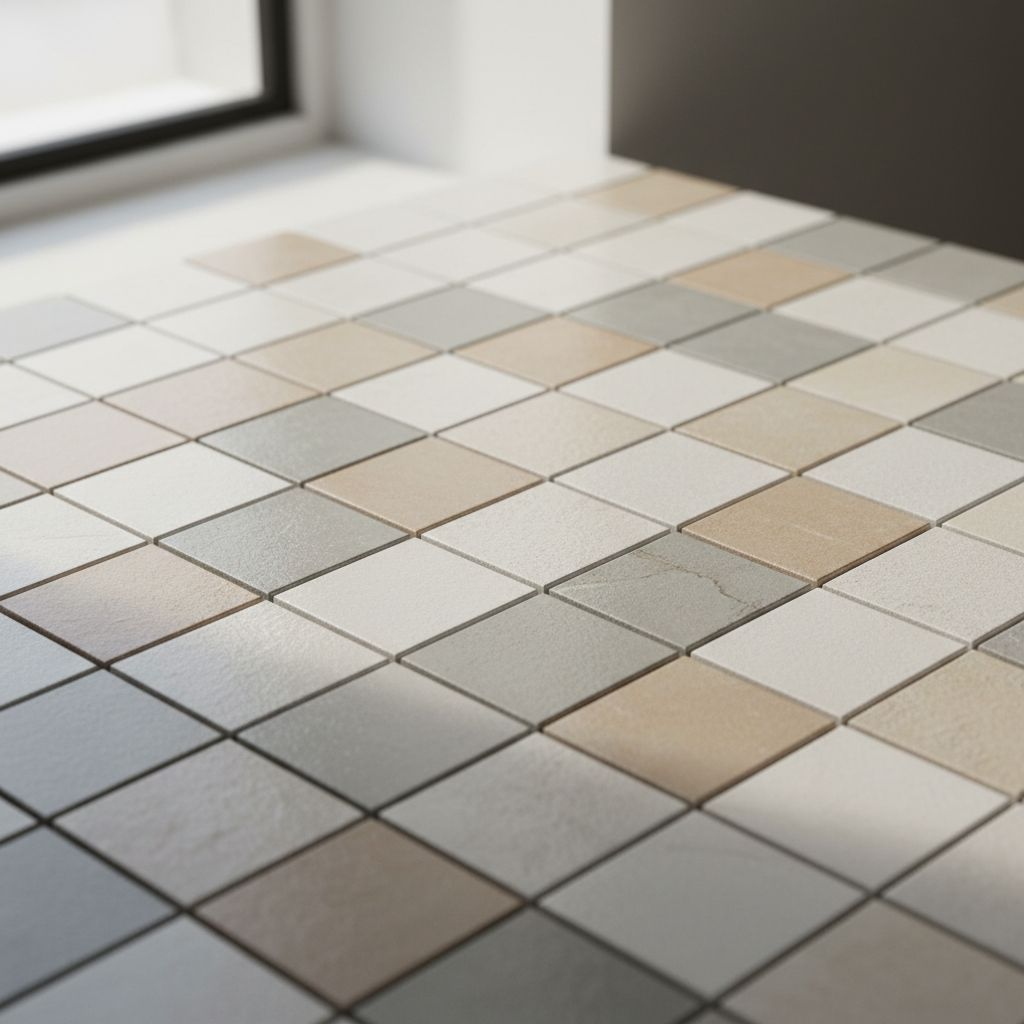
While innovation is key in modern architecture, respecting local traditions and history is equally important. Lisboa's charm lies in its blend of the old and the new. When designing new projects, consider integrating traditional Portuguese tiles, or azulejos, in a modern context. This not only pays homage to the city’s history but also adds a unique character to the building.
Another approach is to incorporate design elements that reflect the city’s maritime heritage. Use of blues, greens, and nautical motifs can subtly reference Lisboa’s relationship with the sea, creating a design that resonates with both residents and visitors.
Collaboration and Community Engagement
Involving Local Communities
Successful modern architecture projects often involve collaboration with local communities. Engaging with residents can provide valuable insights into the cultural and environmental context of a site. Moreover, community involvement fosters a sense of ownership and acceptance of new developments.
Hosting workshops and public consultations can be effective ways to gather input and feedback during the design process. This collaborative approach not only enriches the project but also strengthens community ties.
Working with Local Authorities
Understanding and navigating the local regulatory landscape is crucial when designing in Lisboa. Architects must collaborate with local authorities to ensure compliance with zoning laws, building codes, and environmental regulations. This partnership can smooth the approval process and help avoid potential legal hurdles.

Embracing Technological Advances
Technology plays a pivotal role in modern architecture. Utilizing advanced software for 3D modeling and virtual reality can enhance the design process, allowing architects to visualize projects in detail before construction begins. These tools not only improve accuracy but also help in communicating ideas to clients and stakeholders.
Furthermore, integrating smart technology into buildings can enhance functionality and efficiency. Automated systems for lighting, heating, and security can provide residents with enhanced comfort and control, aligning with the modern architectural ethos of convenience and innovation.