
Comparing Architectural Styles: Traditional vs. Modern in Lisboa


Exploring the Architectural Landscape of Lisboa
Lisboa, the vibrant capital of Portugal, is a city where diverse architectural styles coexist harmoniously. From the narrow cobblestone streets lined with traditional azulejos to the sleek lines of modern structures, Lisboa offers a fascinating journey through time and design.
Traditional Architecture: A Walk Through History
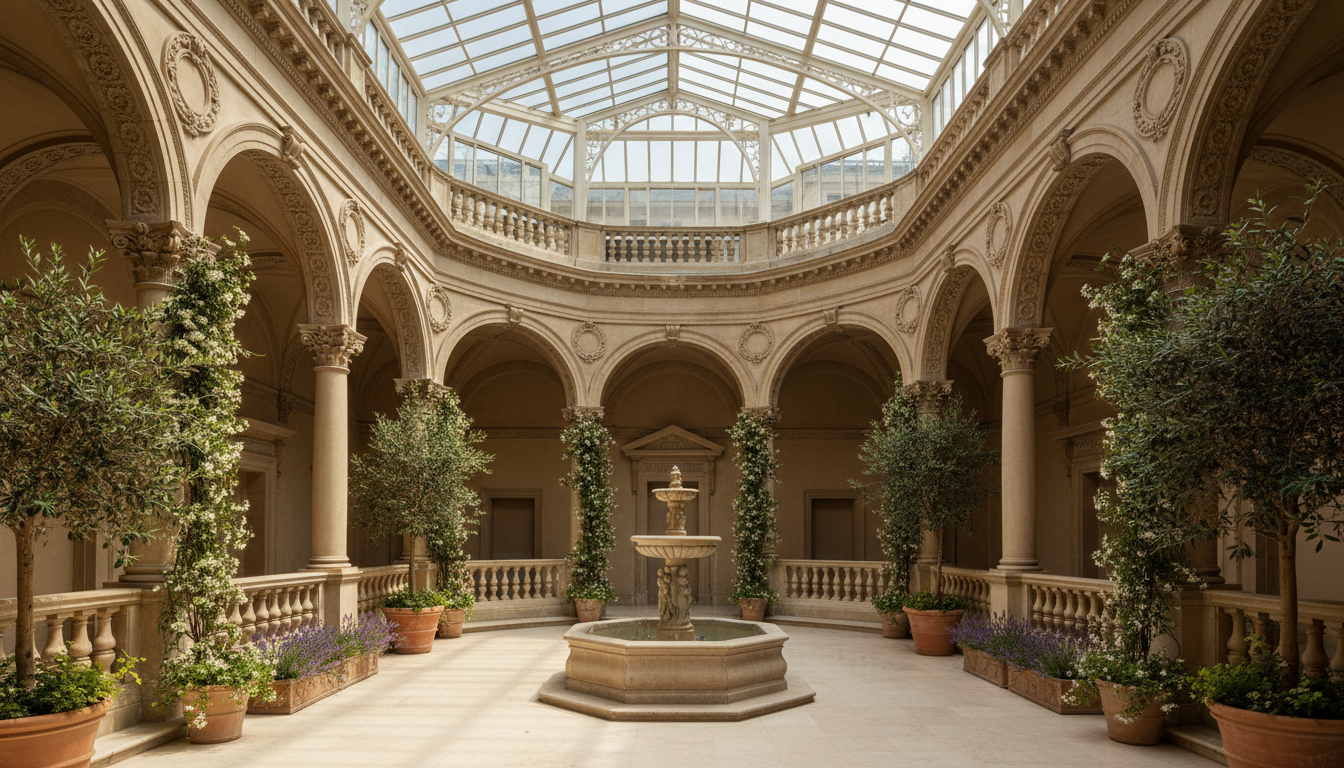
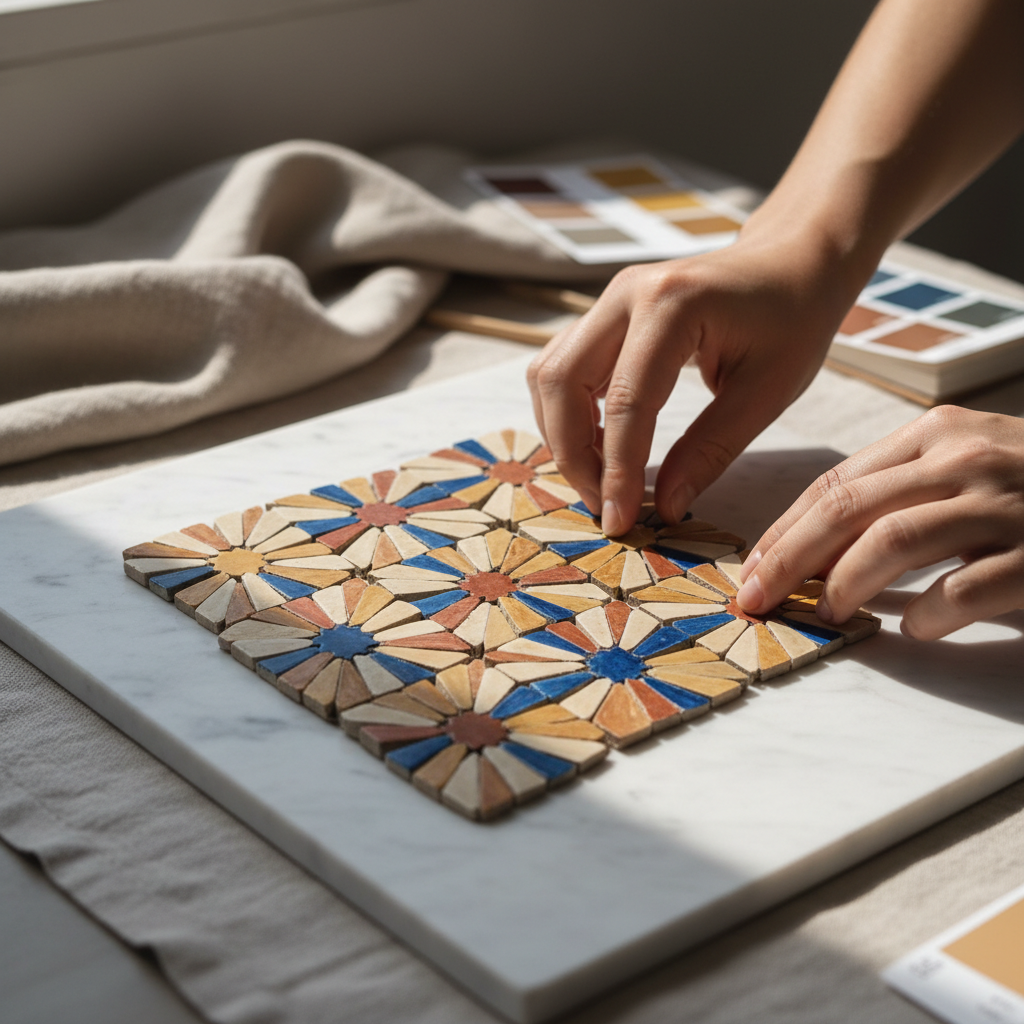
Traditional architecture in Lisboa is a testament to the city's rich history. With influences from Moorish, Gothic, and Manueline styles, these buildings offer a glimpse into the past. The iconic azulejos, or ceramic tiles, adorn many facades, telling stories through their intricate patterns and vibrant colors.
Walking through neighborhoods like Alfama and Bairro Alto, you'll encounter classic examples of traditional Portuguese architecture. These areas boast narrow streets, wrought-iron balconies, and red-tiled roofs, creating a picturesque scene that has inspired artists and writers for centuries.
Modern Architecture: Innovation Meets Tradition
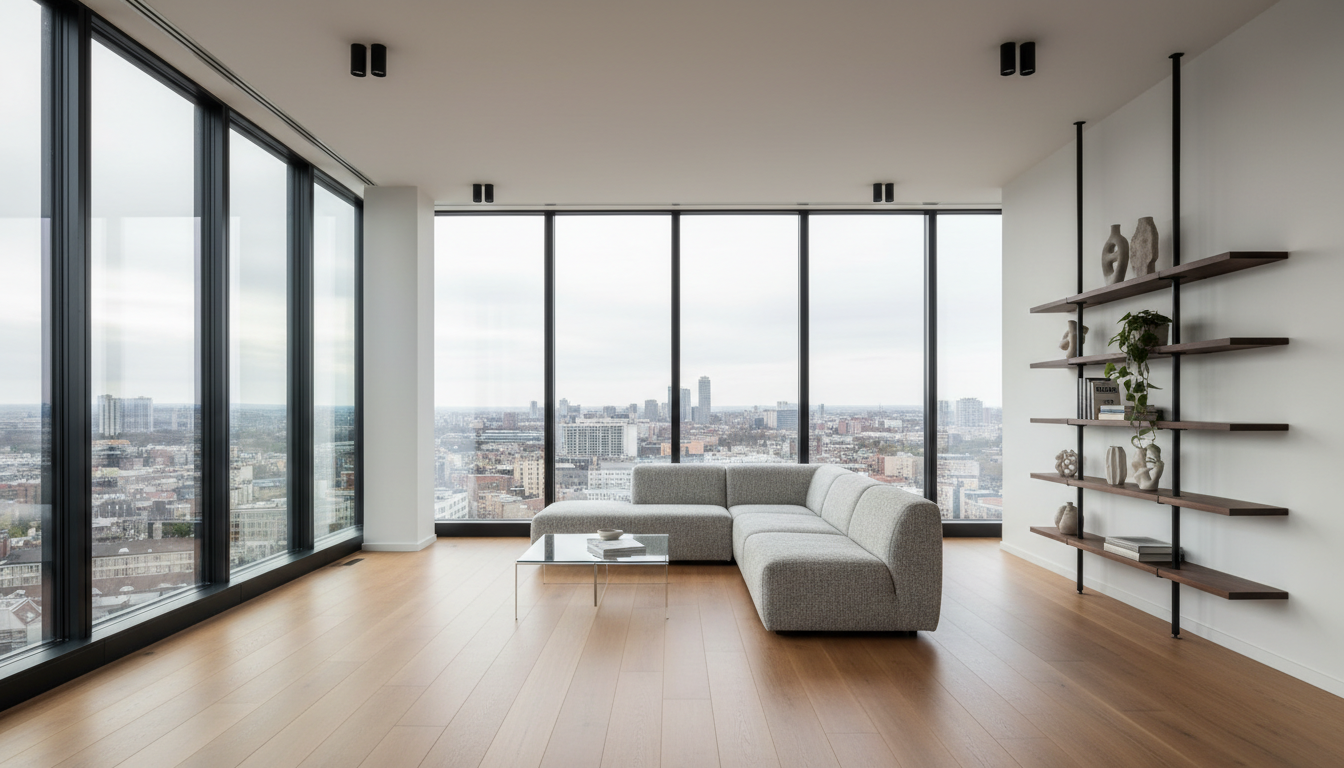
In contrast to the traditional, modern architecture in Lisboa is characterized by innovative designs and cutting-edge materials. The city has embraced contemporary architecture, seamlessly integrating it with its historic surroundings. This blend of old and new is particularly evident along the Parque das Nações, a redeveloped area that showcases modernist buildings and open spaces.
One of the standout examples of modern architecture in Lisboa is the MAAT (Museum of Art, Architecture and Technology). Its fluid, wave-like structure reflects the water of the Tagus River, offering a striking visual experience. Additionally, the Oriente Station, designed by Santiago Calatrava, is a masterpiece of modern engineering and design.
Comparing Styles: A Harmonious Blend
The juxtaposition of traditional and modern styles in Lisboa is not just about aesthetics; it reflects the city's dynamic evolution. While traditional architecture provides a connection to the past, modern structures symbolize progress and innovation.
- Materials: Traditional buildings often use local materials like limestone, while modern constructions utilize steel and glass.
- Design: Ornate detailing is a hallmark of traditional styles, whereas modern designs favor minimalism and functionality.
- Purpose: Many traditional buildings were designed for residential or religious purposes, while modern structures often serve commercial or cultural functions.
The Future of Lisboa's Architectural Identity
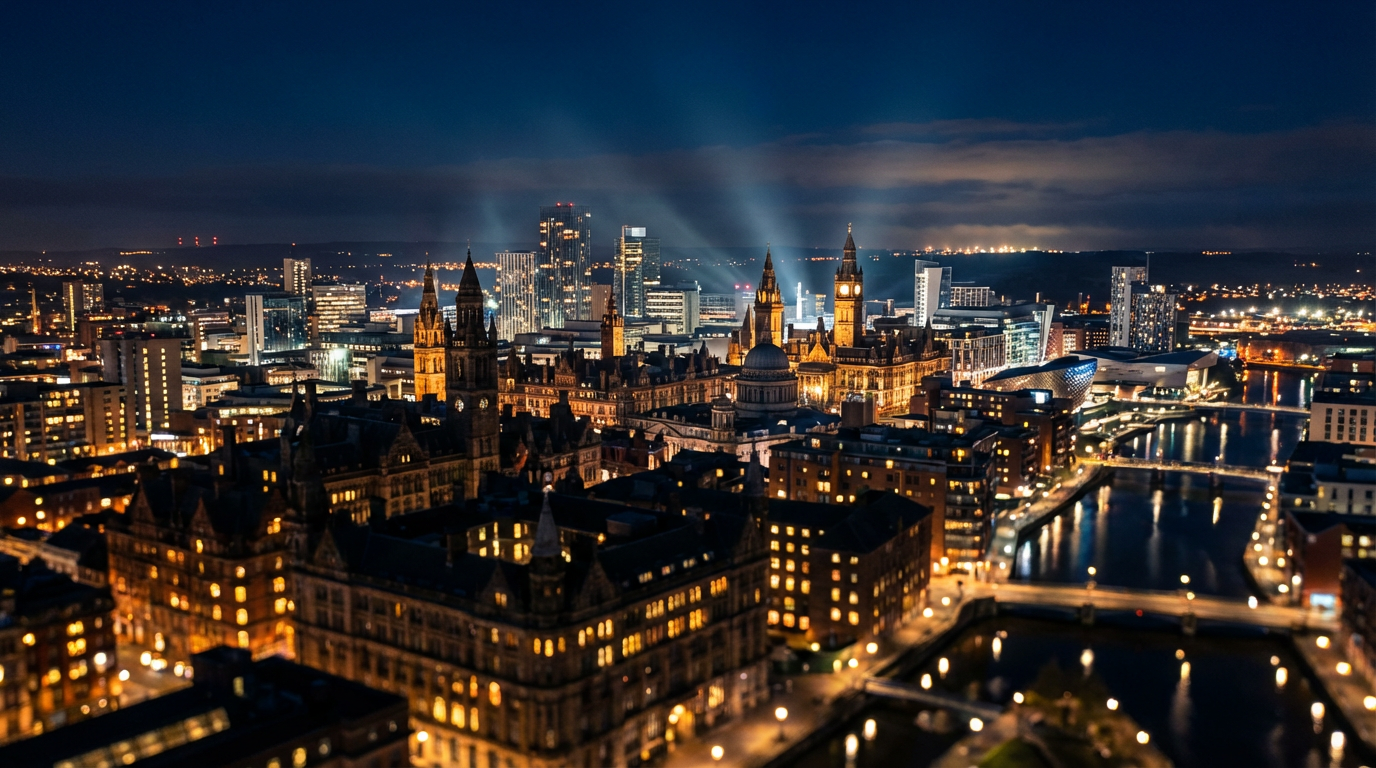
As Lisboa continues to grow, the balance between preserving its architectural heritage and embracing modernity becomes increasingly important. Urban planners and architects face the challenge of maintaining the city's unique character while accommodating the needs of a modern metropolis.
Lisboa's architectural landscape is a living museum, where every building tells a story. Whether you're drawn to the timeless charm of traditional structures or the bold statements of modern design, Lisboa offers a captivating exploration of architectural diversity.