
Comparing Architectural Styles: Lisbon vs. Other European Cities


Exploring Lisbon's Architectural Diversity
Lisbon, the vibrant capital of Portugal, is renowned for its rich architectural tapestry that blends various styles and influences. As you wander through its charming streets, you'll encounter a unique mix of the old and the new, reflecting the city's dynamic history and cultural evolution. From the iconic azulejos to the ornate Manueline structures, Lisbon's architecture offers a distinct contrast to other European cities.
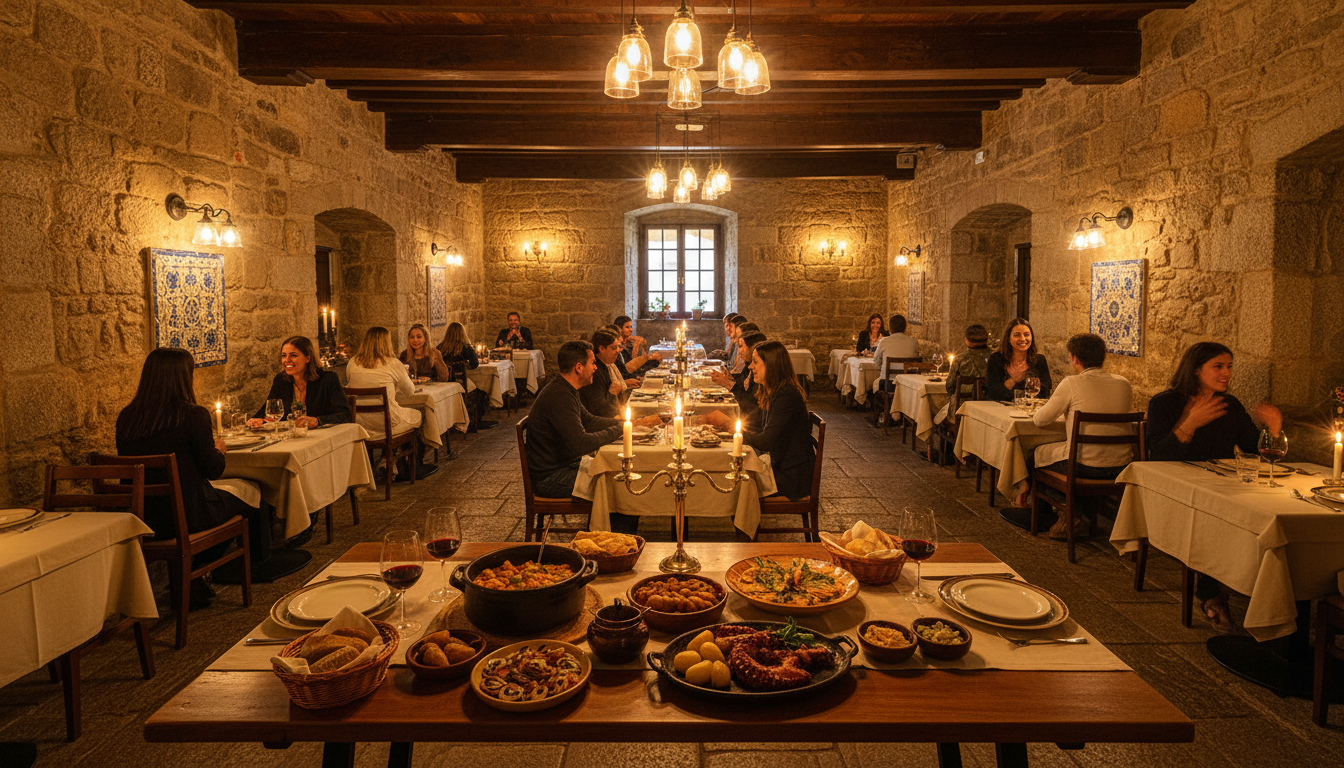
Traditional Portuguese Styles
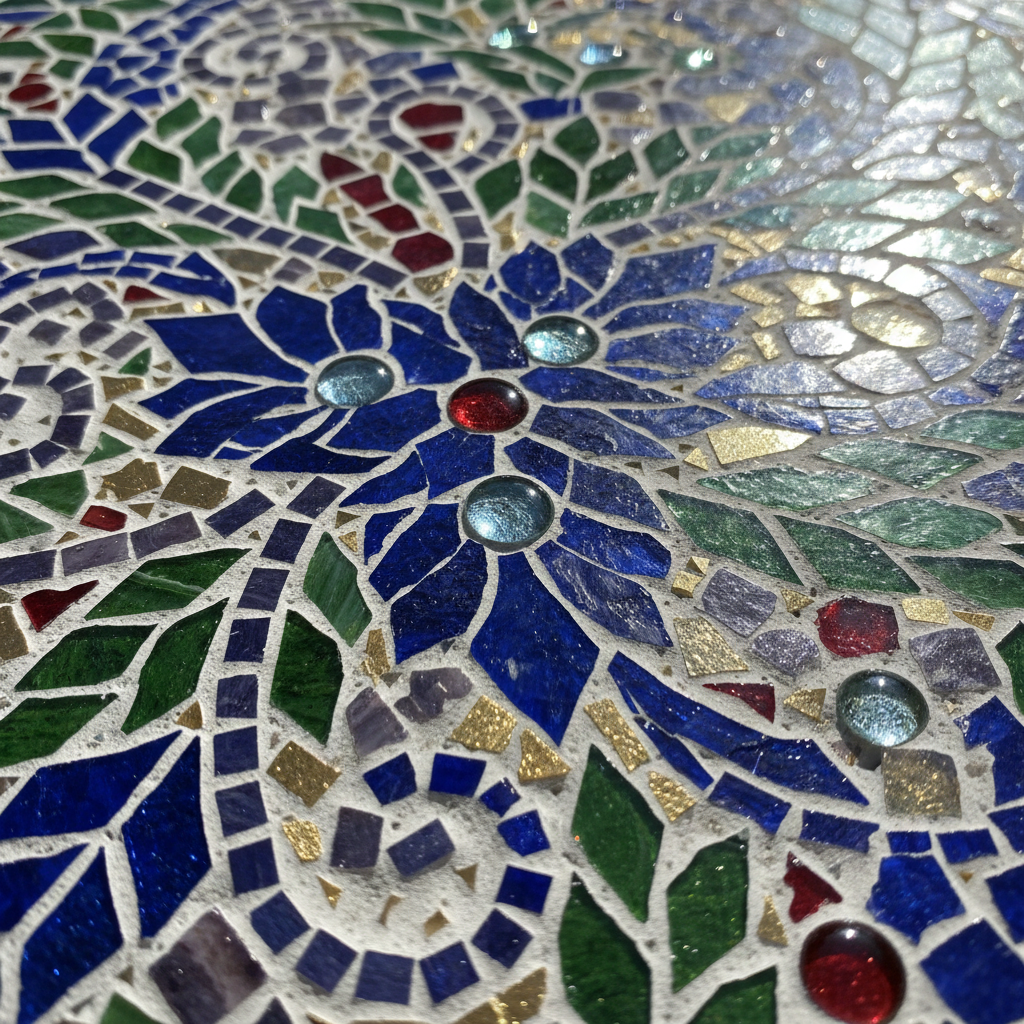
One of the most striking features of Lisbon's architecture is the use of azulejos, the decorative ceramic tiles that adorn many buildings. These tiles often depict scenes of historical significance or intricate geometric patterns, adding color and character to the city's facades. Another notable style is the Manueline architecture, a Portuguese version of the late Gothic style, characterized by intricate stonework and maritime motifs.
Comparing with Barcelona
While Lisbon embraces its unique Portuguese heritage, cities like Barcelona are famous for their distinct architectural identity. Barcelona, home to the legendary architect Antoni Gaudí, showcases the whimsical and organic forms of Catalan Modernism. Buildings like the Sagrada Família and Park Güell highlight a striking departure from traditional European styles, emphasizing creativity and innovation.
In contrast, Lisbon's architecture tends to remain grounded in its historical roots, with a focus on preserving its cultural heritage. This difference in approach creates a fascinating juxtaposition between the two Iberian cities.
Contrasting with Rome's Classical Elegance
Rome, often referred to as the "Eternal City," offers a different architectural narrative. Its grandeur lies in its ancient ruins and classical structures, such as the Colosseum and the Pantheon. The emphasis in Rome is on preserving the grandeur of antiquity, which contrasts sharply with Lisbon's more eclectic and evolving architectural landscape.
While Rome's architecture tells stories of ancient empires, Lisbon's buildings narrate tales of exploration and discovery, reflecting Portugal's Age of Exploration and its maritime history.
Parisian Influence and Modern Adaptations
Paris is synonymous with elegance and sophistication, with its Haussmannian boulevards and the iconic Eiffel Tower. In comparison, Lisbon's architecture might seem more understated, yet it is equally compelling. The city's Pombaline style, developed after the devastating earthquake of 1755, introduced a new level of urban planning with a focus on safety and functionality.
Today, Lisbon is also embracing modern architecture, with contemporary designs that complement its historic backdrop. This blend of old and new creates a living tapestry that continuously evolves.
A Unique Architectural Journey
Exploring Lisbon's architecture is like embarking on a journey through time. Each neighborhood offers a different perspective, from the medieval charm of Alfama to the modern vibe of Parque das Nações. This diversity is what makes Lisbon stand out among other European cities.
Whether you're an architecture enthusiast or simply a curious traveler, Lisbon's architectural landscape promises a captivating experience. Its blend of styles and influences offers a fresh perspective on Europe's architectural heritage.