
Common Misconceptions About Designing Architecture Projects in Portugal


Understanding Local Regulations
One of the most common misconceptions about designing architecture projects in Portugal is that the regulations are similar to those in other European countries. However, Portugal has its own unique set of building codes and zoning laws that must be understood and adhered to. It's crucial to work with local experts who are familiar with these regulations to ensure compliance and avoid costly delays.
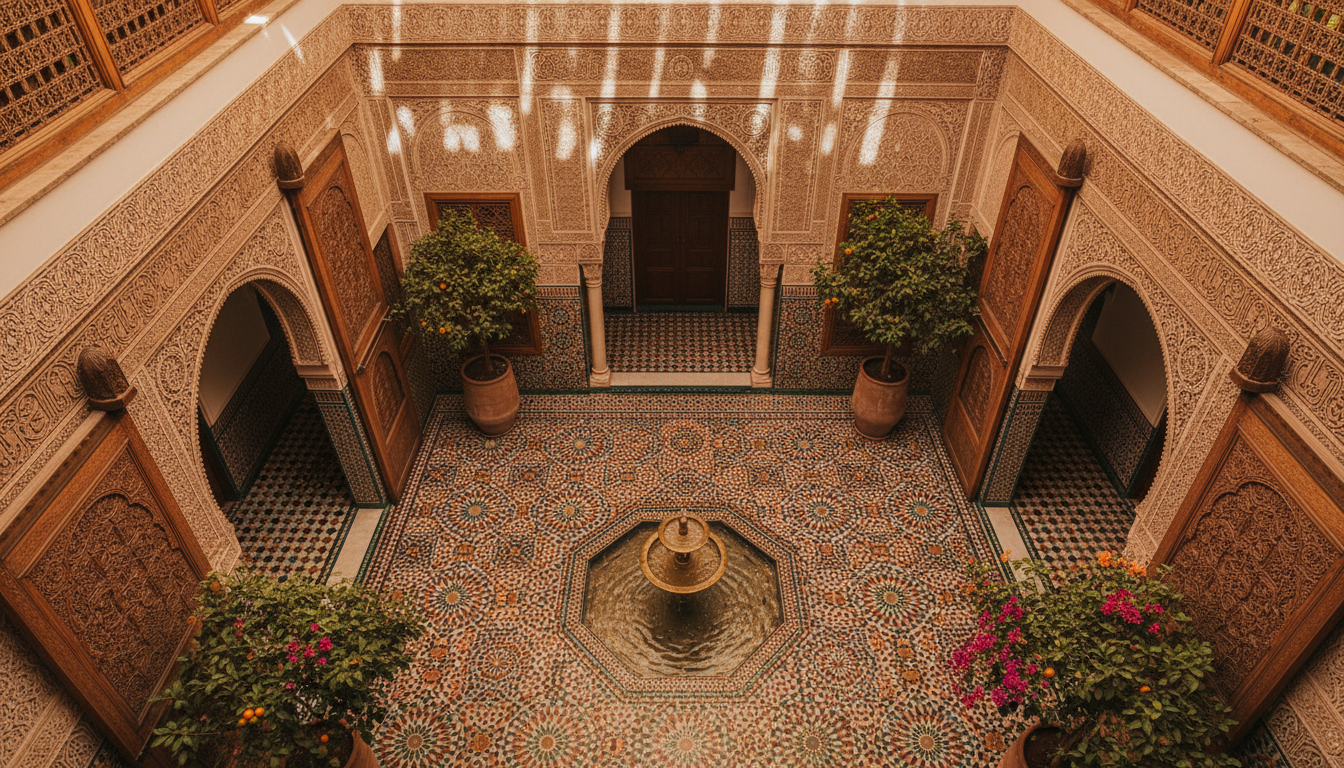
Architects and builders must pay particular attention to heritage conservation laws, especially in cities like Lisbon and Porto, where many buildings are protected due to their historical significance. Ignoring these regulations can lead to significant legal challenges and project setbacks.
Climate Considerations
Another misconception is that Portugal's mild climate makes it easier to design buildings. While it's true that the country enjoys a temperate climate, the varying conditions across different regions require careful planning. Coastal areas face high humidity and salt exposure, while inland areas have more extreme temperature fluctuations.
Designers must consider these factors when selecting materials and construction techniques. Failing to do so can lead to increased maintenance costs and reduced building lifespan. Proper insulation and ventilation strategies are also essential to ensure energy efficiency and comfort.
Material Availability and Sustainability
Many people assume that materials readily available in other parts of Europe will be just as accessible in Portugal. However, the availability of certain materials can vary, and transportation costs can be significant. It's essential to explore local sourcing options to reduce costs and support sustainability.
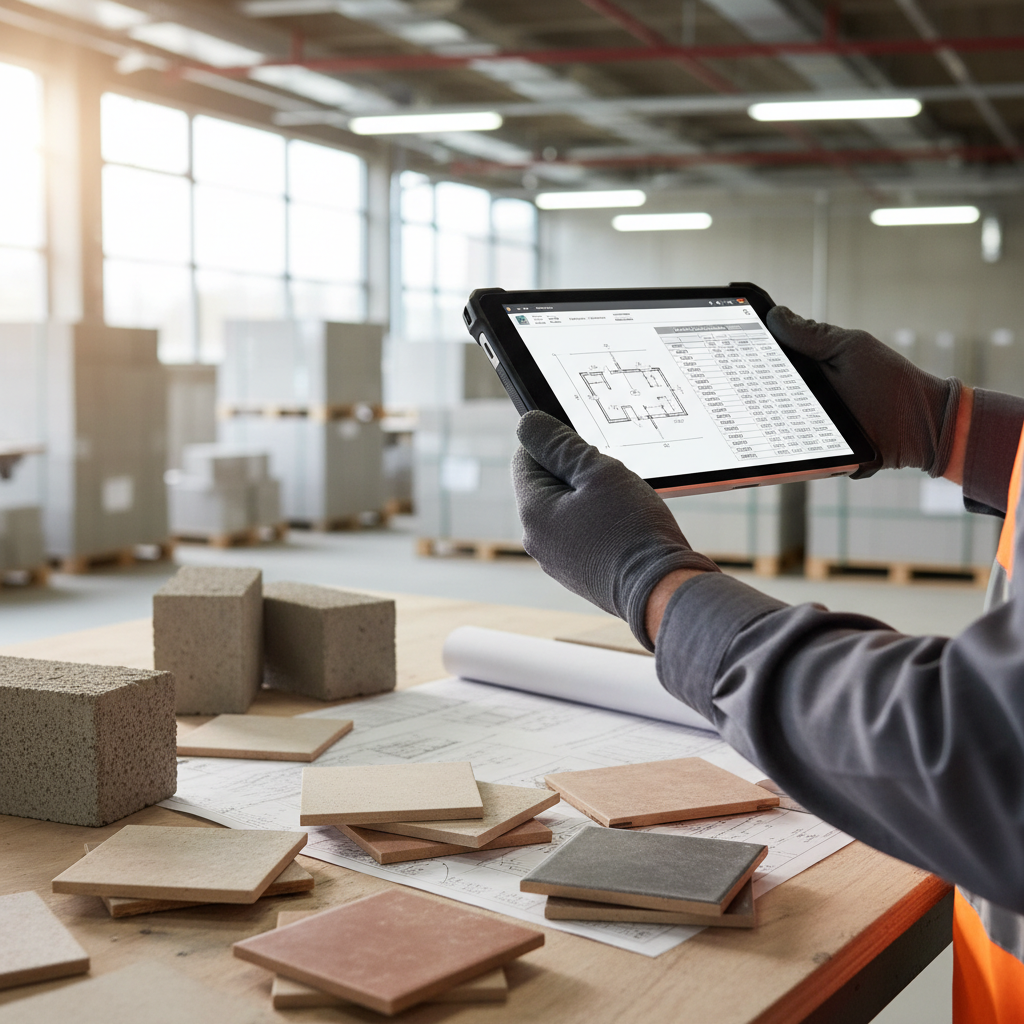
Sustainability is also a growing concern in Portuguese architecture. Incorporating eco-friendly materials and energy-efficient systems is not just a trend but a necessity. Projects that prioritize sustainability often benefit from incentives and support from local authorities.
Budgeting and Cost Planning
Budgeting for an architecture project in Portugal can be more complex than expected. Many assume that construction costs will be lower compared to other European countries. While labor costs might be comparatively lower, other expenses such as permits, taxes, and materials can quickly add up.
It's important to have a detailed cost plan that includes potential contingencies. Working with experienced local contractors and suppliers can help in obtaining accurate estimates and avoiding budget overruns.

Cultural and Aesthetic Influences
Portuguese architecture is rich with cultural and aesthetic influences that can pose both opportunities and challenges. Designers must balance modern innovation with traditional elements to create structures that resonate with local communities.
Understanding the cultural context is vital for creating designs that are not only functional but also culturally sensitive. Engaging with local communities and stakeholders during the design phase can lead to more successful and accepted projects.
Conclusion
Designing architecture projects in Portugal requires a nuanced understanding of local regulations, climate considerations, material availability, budgeting complexities, and cultural influences. By debunking common misconceptions and working closely with local experts, architects can create successful and sustainable projects that enhance the built environment in Portugal.