
Common Misconceptions About Architectural Design in Portugal


Understanding Architectural Design in Portugal
Architectural design in Portugal is a rich tapestry of history, innovation, and cultural expression. However, several misconceptions persist about the architectural styles and practices in this vibrant country. In this post, we aim to debunk some of these myths and provide a clearer understanding of what truly defines Portuguese architecture.
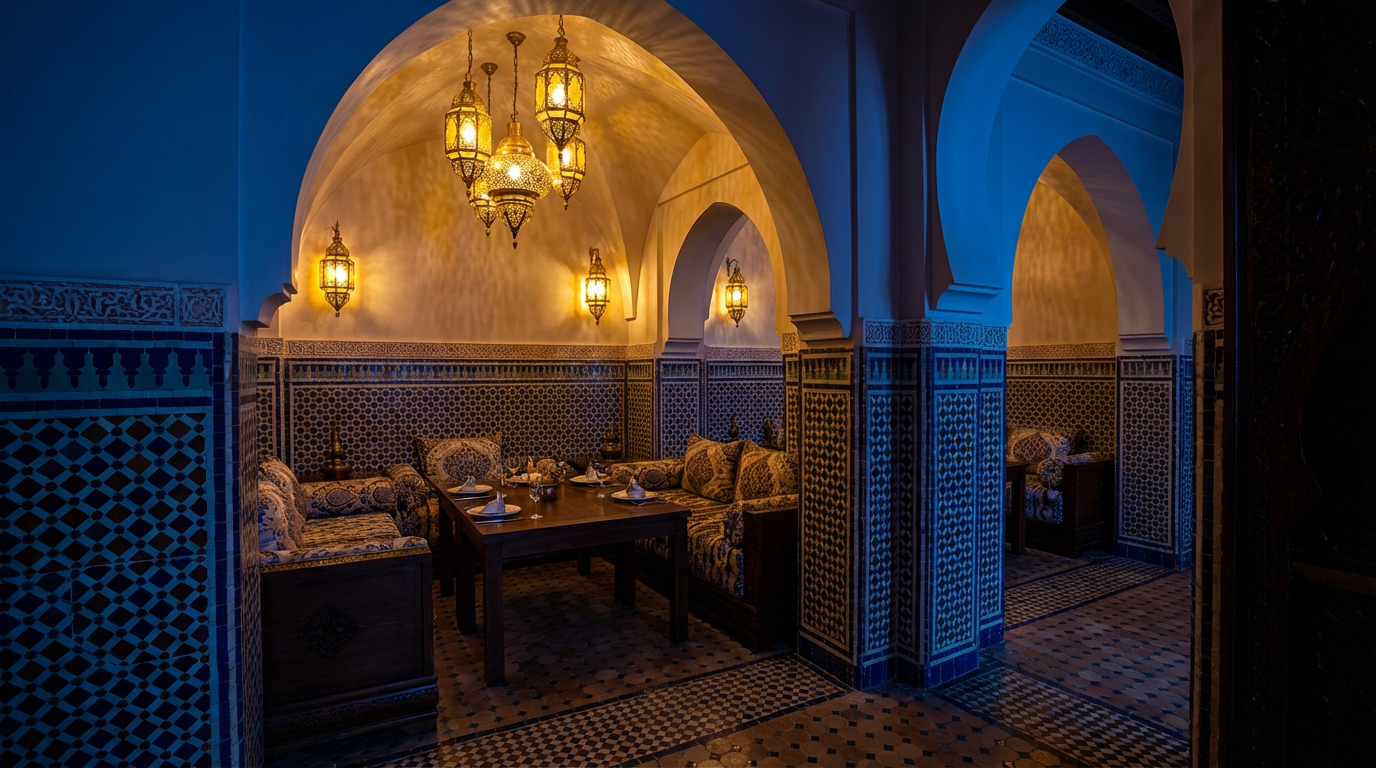
Misconception 1: All Portuguese Architecture is Traditional
Many people believe that Portuguese architecture is solely about traditional styles, such as the iconic azulejos tiles and Manueline structures. While these elements are indeed significant, contemporary architecture in Portugal is thriving. Modern architects are blending traditional influences with innovative designs, creating structures that are both functional and aesthetically pleasing.
For instance, recent projects by renowned Portuguese architects like Álvaro Siza and Eduardo Souto de Moura showcase a minimalistic approach that emphasizes clean lines and integration with the surrounding environment. These modern designs reflect a dynamic architectural evolution that respects tradition while embracing modernity.
Misconception 2: Portuguese Architecture Lacks Diversity
Another common misconception is that Portuguese architecture lacks diversity. In reality, the country's architectural landscape is incredibly varied, reflecting a mix of influences from different periods and cultures. From Roman and Moorish influences to Gothic, Renaissance, and Baroque styles, Portuguese architecture is a melting pot of styles.
Furthermore, regional variations add to this diversity. The architecture in Lisbon, for example, is distinct from that in Porto or the Algarve, each area offering unique architectural features and historical contexts.
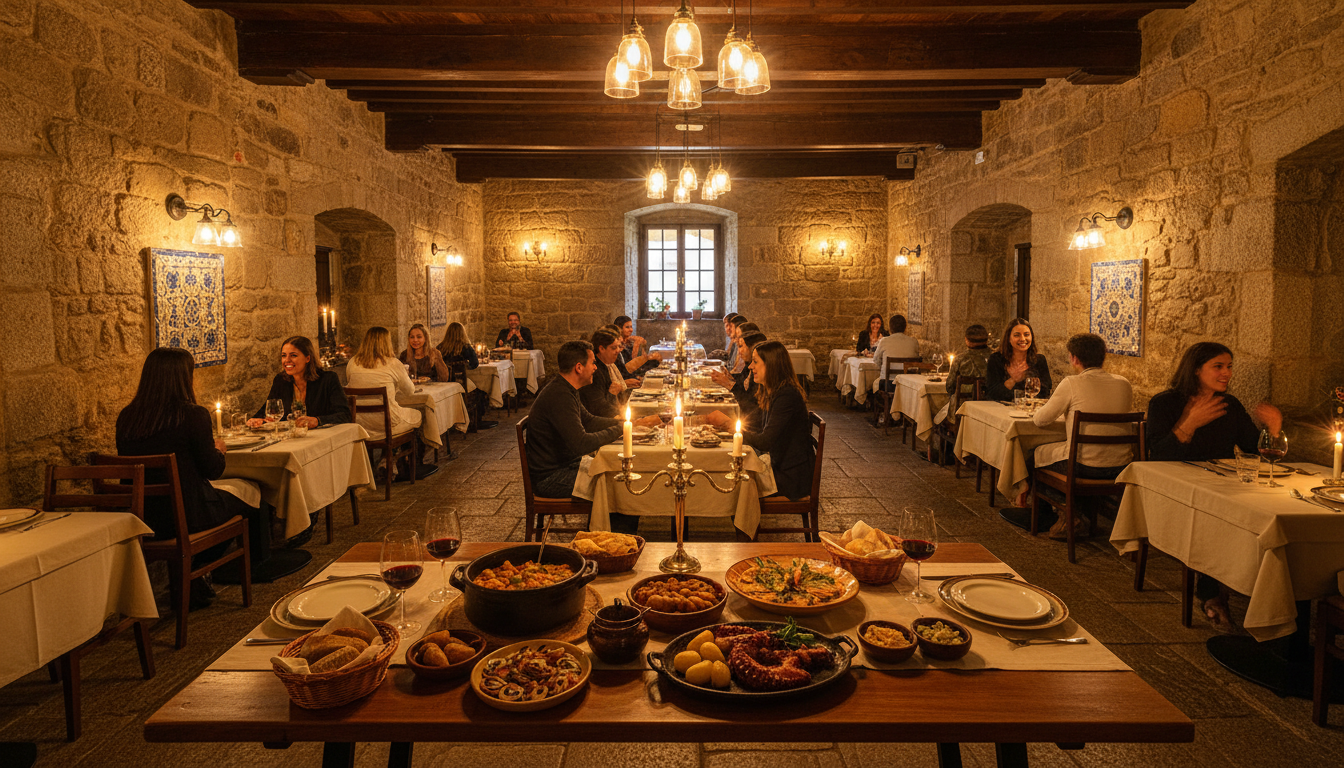
Misconception 3: Sustainability is Not a Priority
Some might think that sustainability is not a significant concern in Portuguese architectural design. However, this could not be further from the truth. Portugal is at the forefront of sustainable architecture, with many architects prioritizing eco-friendly materials and energy-efficient designs.
Innovative projects incorporate solar panels, green roofs, and rainwater collection systems, demonstrating a commitment to reducing environmental impact. This focus on sustainability is a growing trend that aligns with global efforts to combat climate change.
Misconception 4: Architectural Design is Only for the Elite
A lingering myth is that architectural design in Portugal is exclusive to high-end projects or luxury developments. While exquisite mansions and opulent hotels do exist, many architects are dedicated to creating affordable housing and community-focused spaces.
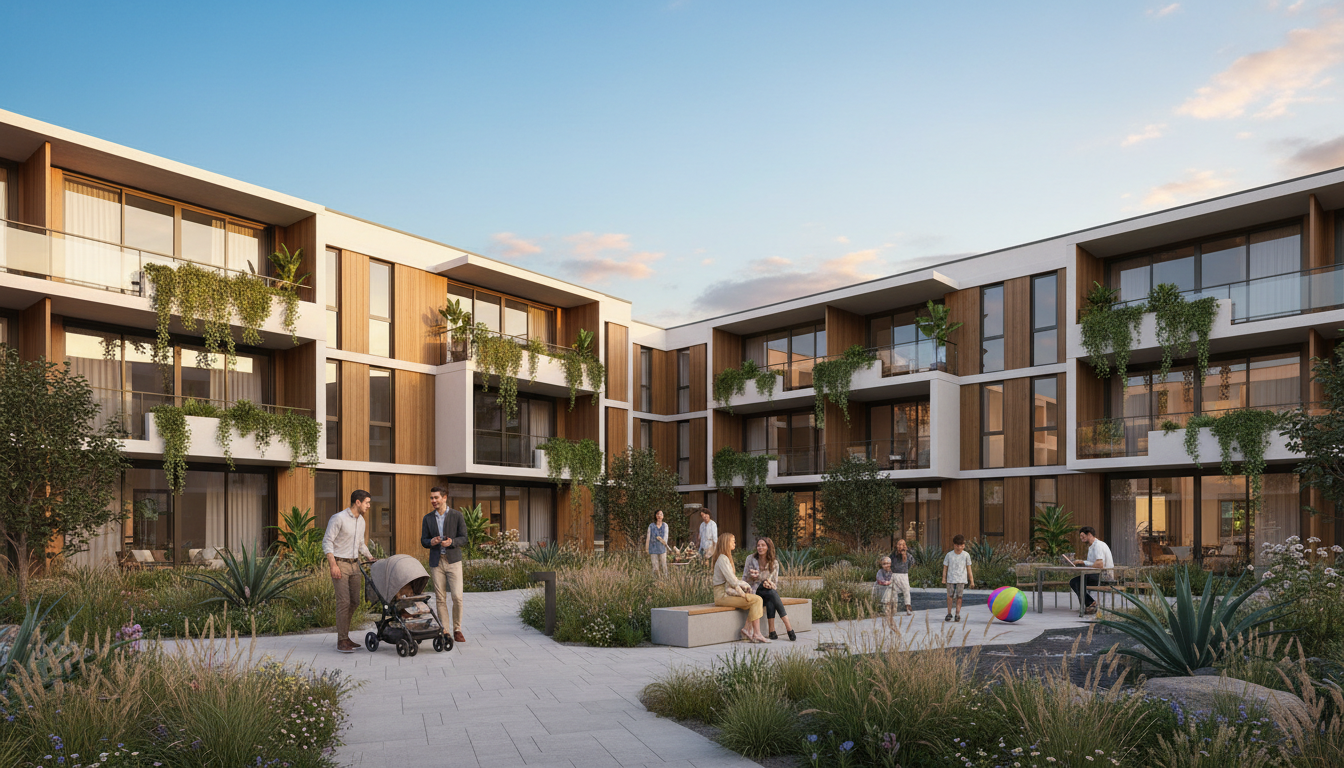
Public projects, such as community centers and social housing, reflect a commitment to accessible design. These initiatives aim to improve the quality of life for all residents, demonstrating that architectural design in Portugal is truly for everyone.
Embracing the True Essence of Portuguese Architecture
By debunking these misconceptions, we hope to highlight the true essence of architectural design in Portugal. It is a field characterized by diversity, innovation, and a deep respect for both tradition and sustainability. Whether you are an architecture enthusiast or simply curious about Portuguese culture, understanding these nuances offers a richer appreciation of this beautiful country.