
Common Misconceptions About Architectural Design in Portugal


Introduction to Architectural Design in Portugal
Portugal is renowned for its stunning architecture, blending traditional and modern elements to create unique and captivating structures. However, several misconceptions about architectural design in the country often lead to misunderstandings. In this post, we will explore some of these common misconceptions and provide clarity on the subject.
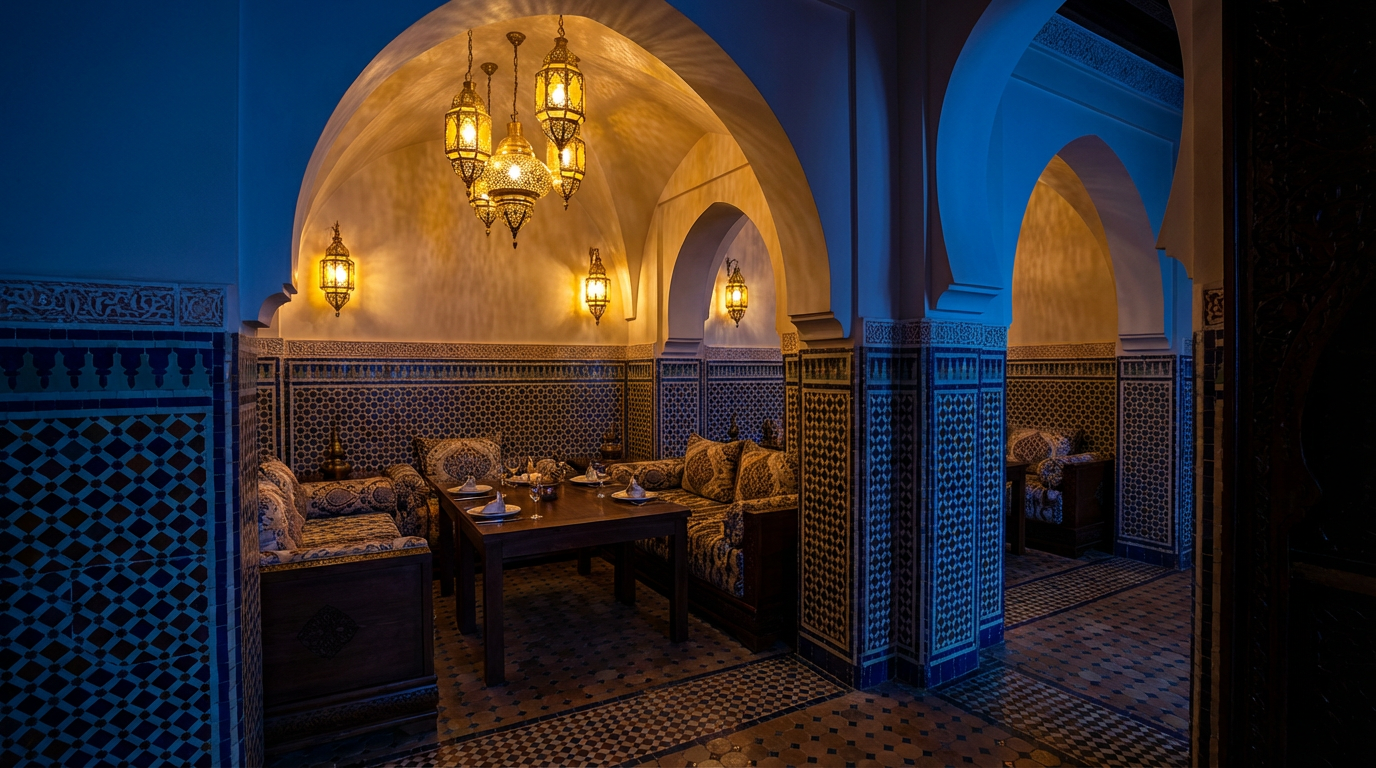
Misconception 1: All Portuguese Architecture is Traditional
While Portugal is famous for its historic buildings and traditional azulejos (tiles), modern architecture also plays a significant role in the country's landscape. Cities like Lisbon and Porto showcase innovative designs that blend the old with the new, emphasizing sustainability and creativity. This diversity makes Portugal a fascinating destination for architecture enthusiasts.
Contemporary Portuguese architects like Álvaro Siza and Eduardo Souto de Moura have gained international acclaim for their groundbreaking work, proving that modern design is an integral part of the country's architectural identity.
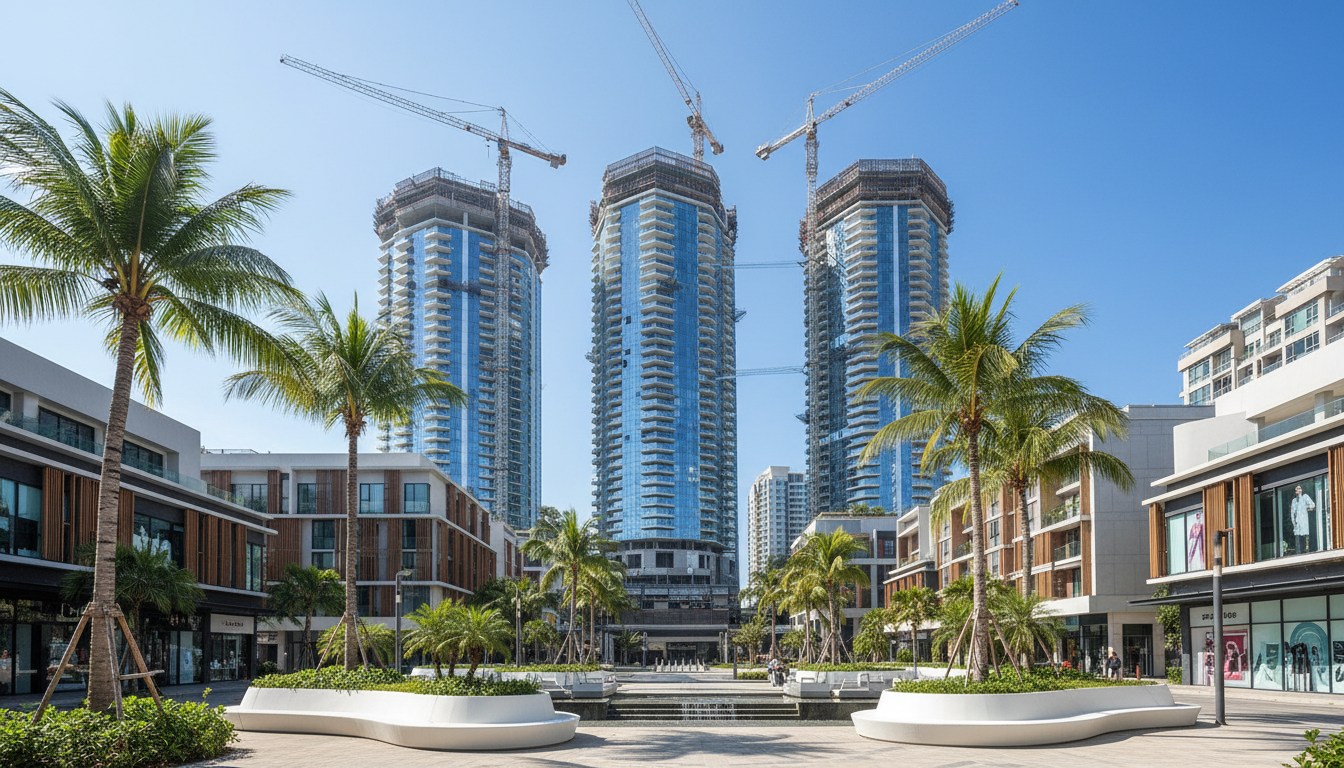
Misconception 2: Portuguese Architecture Lacks Variety
Another common misconception is that Portuguese architecture lacks variety. In reality, the architectural styles in Portugal are incredibly diverse, ranging from Gothic and Manueline to Baroque and Pombaline. Each style represents different historical periods and influences, reflecting the country's rich cultural heritage.
The coastal regions, for example, often feature buildings inspired by nautical themes, while inland areas may showcase more rustic and traditional designs. This variety ensures that there is something for everyone when exploring Portugal's architectural landscape.
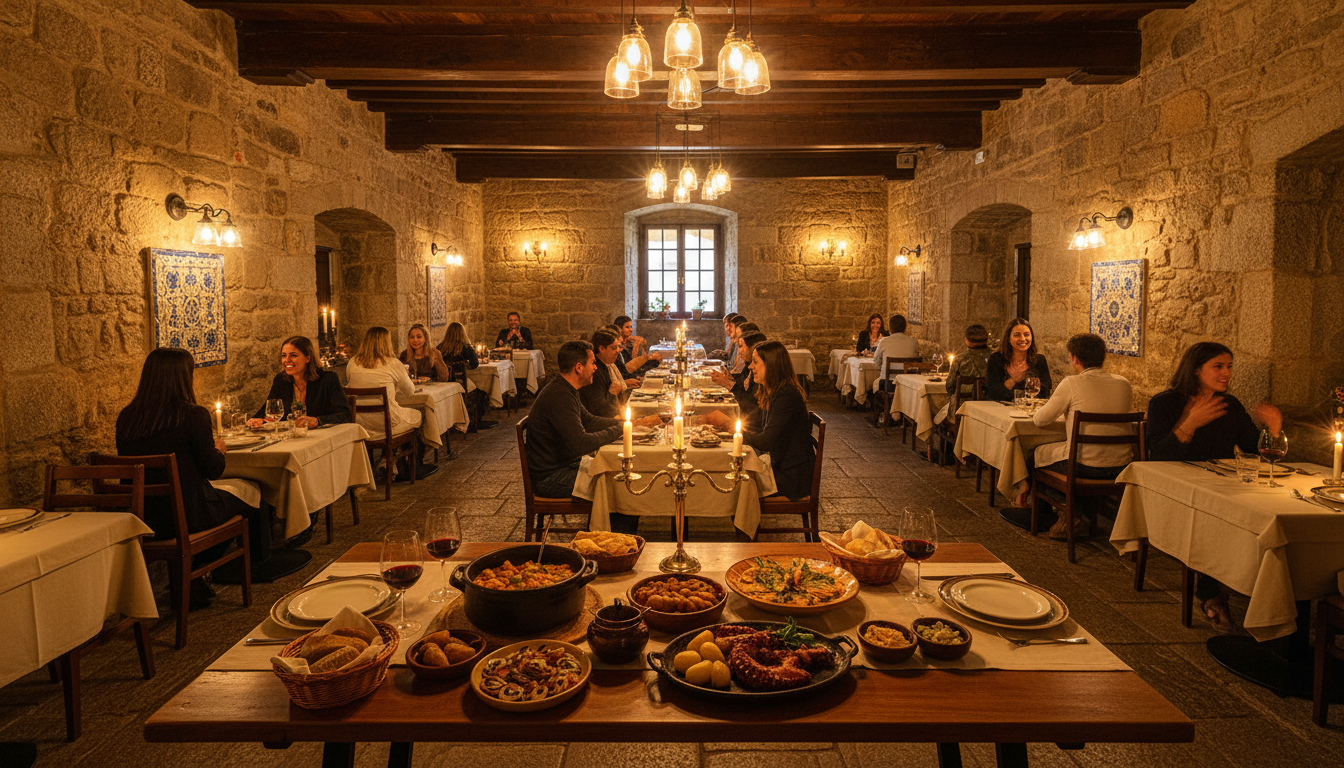
Misconception 3: Sustainability is Not a Focus
Some people believe that sustainability is not a priority in Portuguese architectural design. However, many architects in Portugal are committed to eco-friendly practices, incorporating sustainable materials and energy-efficient systems into their projects. The use of locally sourced materials and innovative design solutions helps reduce environmental impact while maintaining aesthetic appeal.
Green roofs, solar panels, and natural ventilation systems are becoming more common in both residential and commercial buildings, demonstrating Portugal's dedication to sustainability in architecture.
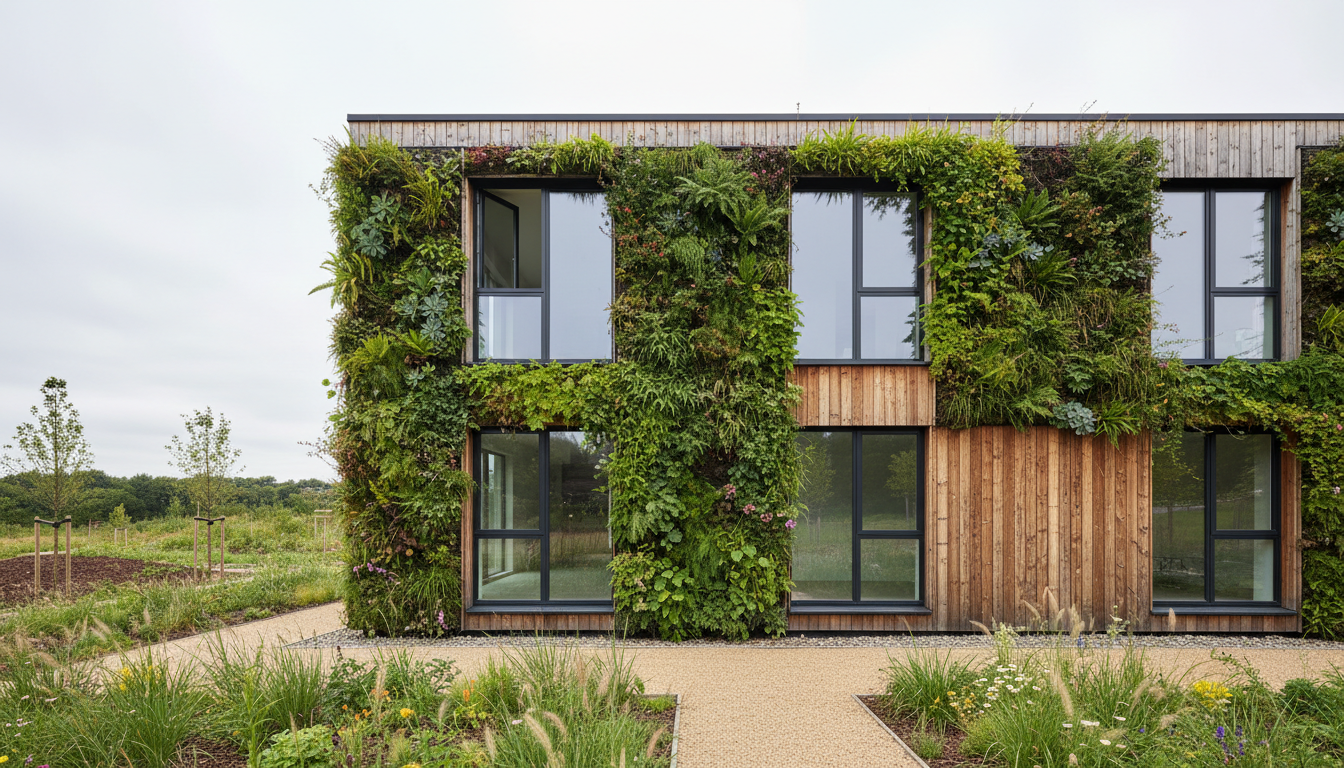
Misconception 4: Architectural Design is Only for the Elite
Architectural design in Portugal is often perceived as something exclusive to the wealthy or elite. In reality, there are numerous public spaces and community projects that highlight the importance of good design for all. Parks, museums, and public buildings are designed with accessibility and inclusivity in mind, providing everyone with the opportunity to enjoy and appreciate architectural beauty.
Government initiatives and public-private partnerships have also played a role in making quality design accessible to a broader audience, ensuring that architectural innovation benefits the entire population.
Conclusion
Understanding the nuances of architectural design in Portugal helps dispel common misconceptions and highlights the country's commitment to preserving its rich history while embracing modern innovation. Whether you're a fan of traditional styles or contemporary creations, Portugal offers a diverse and inspiring architectural landscape that is sure to captivate and intrigue.