
Case Study: Transforming Spaces with Innovative Designs


Introduction to Transformative Design
In the world of interior design, the power of transformation is both inspiring and essential. Whether revamping a cozy living room or a sprawling office space, the impact of innovative design can be profound. This case study explores how creative approaches can redefine environments, blending aesthetics with functionality.
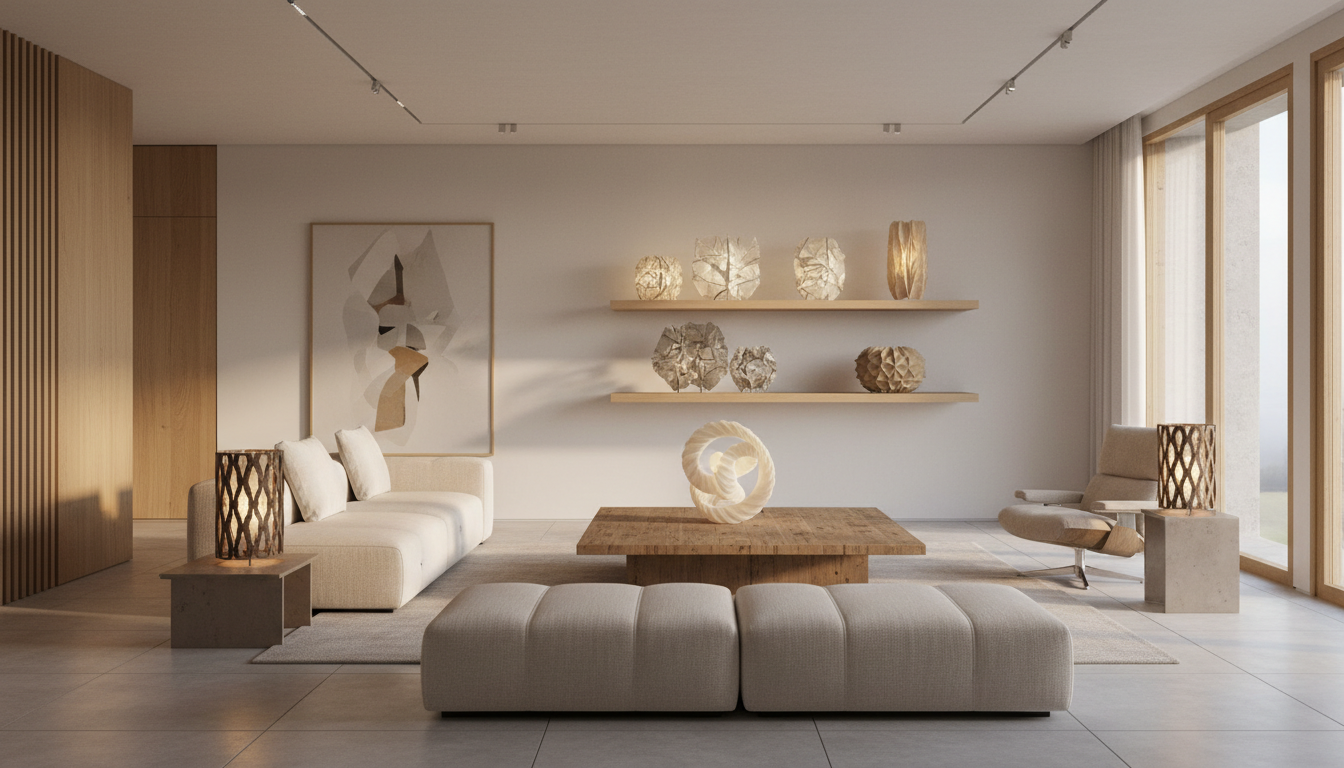
The Challenge: Outdated Spaces
Many spaces face the common challenge of outdated designs. These environments often suffer from poor layout, lack of natural light, and uninspiring decor. Over time, such spaces can become inefficient and uncomfortable, affecting the well-being of those who use them.
The goal of transformative design is to address these issues head-on, infusing new life into tired spaces. By emphasizing modern aesthetics and practical solutions, designers can create areas that are both beautiful and functional.
Assessing the Space
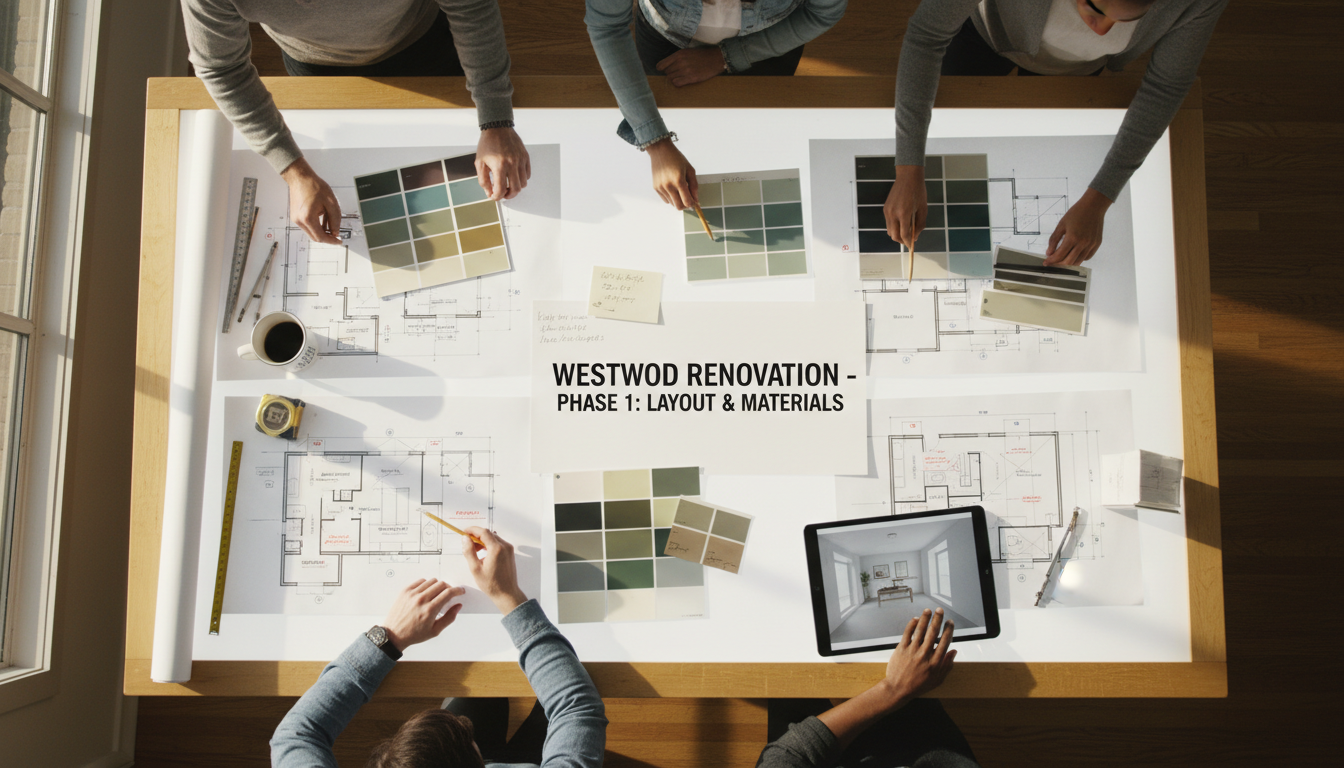
The first step in any transformation is a thorough assessment. Designers need to understand the specific needs and limitations of the space. This includes analyzing current usage patterns, identifying pain points, and envisioning potential improvements. In this case study, a detailed evaluation was crucial in setting the stage for a successful redesign.
Innovative Design Solutions
The heart of any transformation lies in the solutions employed. In this project, designers implemented several innovative strategies to overcome existing challenges and meet the client's goals.
- Open-Concept Layouts: Removing unnecessary partitions to create a more open and inviting space.
- Natural Light Enhancement: Using large windows and glass walls to maximize sunlight.
- Functional Furniture: Integrating multi-purpose furniture to optimize space usage.
These solutions not only improved the aesthetic appeal but also enhanced the functionality and comfort of the space.
Engaging with Technology
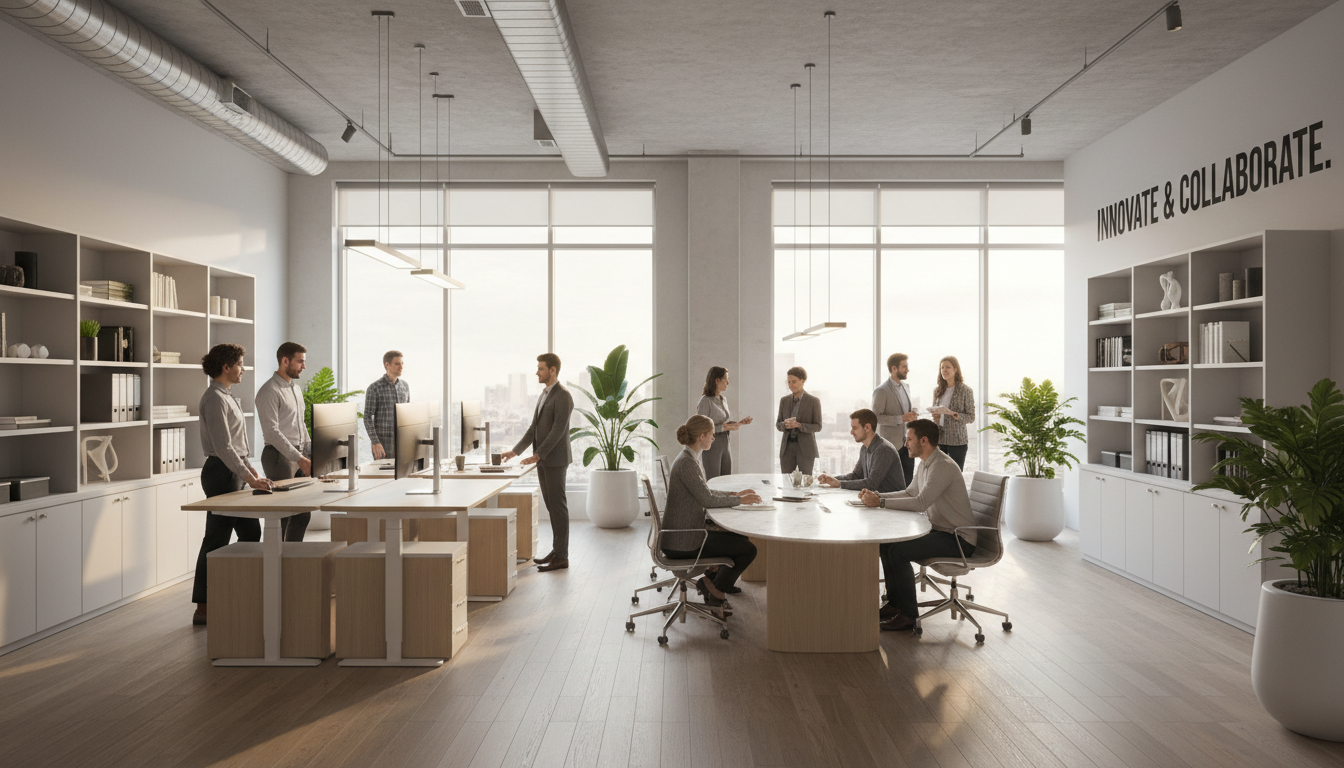
Technology plays a pivotal role in modern design. Smart home systems, adjustable lighting, and automated climate controls were incorporated to create a more dynamic and responsive environment. These technological advancements made the space more adaptable to the changing needs of its users.
The Result: A Transformed Space
The transformation was nothing short of remarkable. The redesigned space was not only aesthetically pleasing but also highly functional. The open layout and enhanced lighting created an airy and vibrant atmosphere, while the technological integrations offered convenience and efficiency.
Feedback from users highlighted increased productivity and satisfaction, underscoring the positive impact of thoughtful design. The project successfully demonstrated how innovative solutions can transform any space into a thriving environment.

Conclusion
Transforming spaces with innovative designs is an art and science that requires creativity, insight, and expertise. This case study serves as a testament to the power of design in reshaping environments. By prioritizing functionality and embracing modern aesthetics, designers can craft spaces that not only meet but exceed expectations.