
Case Study: Transforming an Old Lisboa Building into a Modern Masterpiece


A Blend of Heritage and Modernity
In the heart of Lisbon, a city renowned for its rich history and vibrant culture, an old building stood as a testament to the past. With its faded façade and traditional architectural features, it was a relic of a bygone era. However, a visionary project has breathed new life into this structure, transforming it into a modern architectural masterpiece.
The transformation of this building was not just about modernization but about preserving its historical essence while infusing it with contemporary design elements. The project serves as a remarkable example of how old-world charm can coexist with modern functionality.
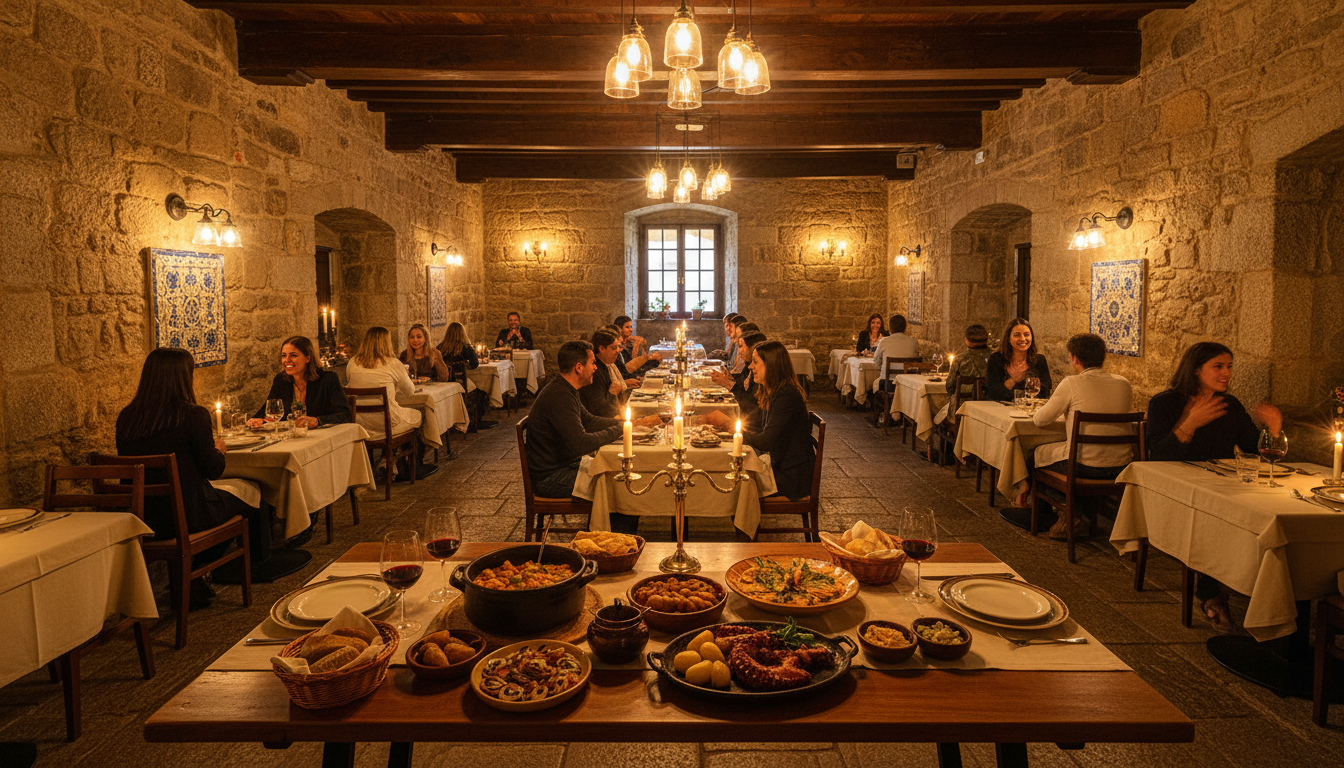
Preserving Historical Integrity
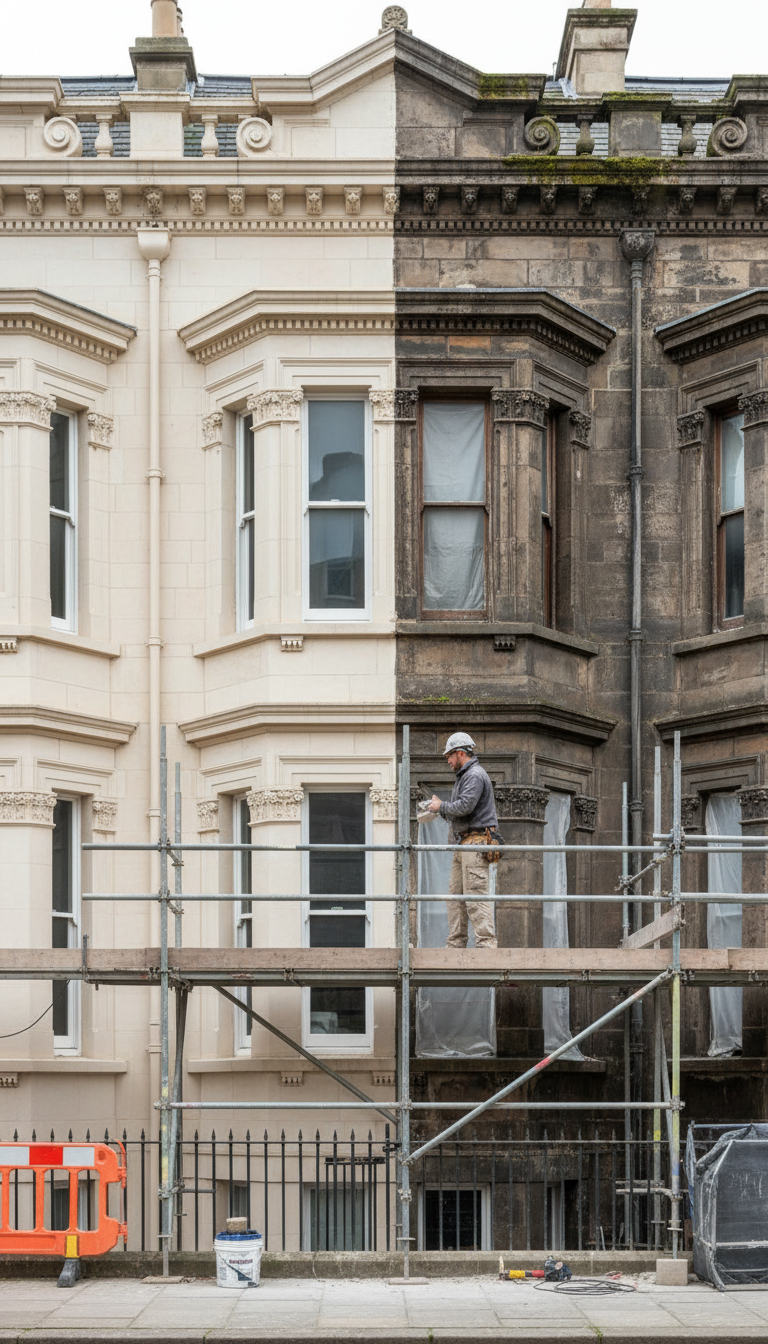
One of the primary goals of the project was to maintain the building's historical integrity. This involved meticulous restoration of the original stonework and wood detailing. Skilled craftsmen were employed to ensure that every element was preserved with precision.
Efforts were made to retain the building's original charm, such as restoring the classic Portuguese tiles that adorned its exterior. These tiles are not just decorative; they are a part of Lisbon's architectural identity.
Incorporating Modern Design
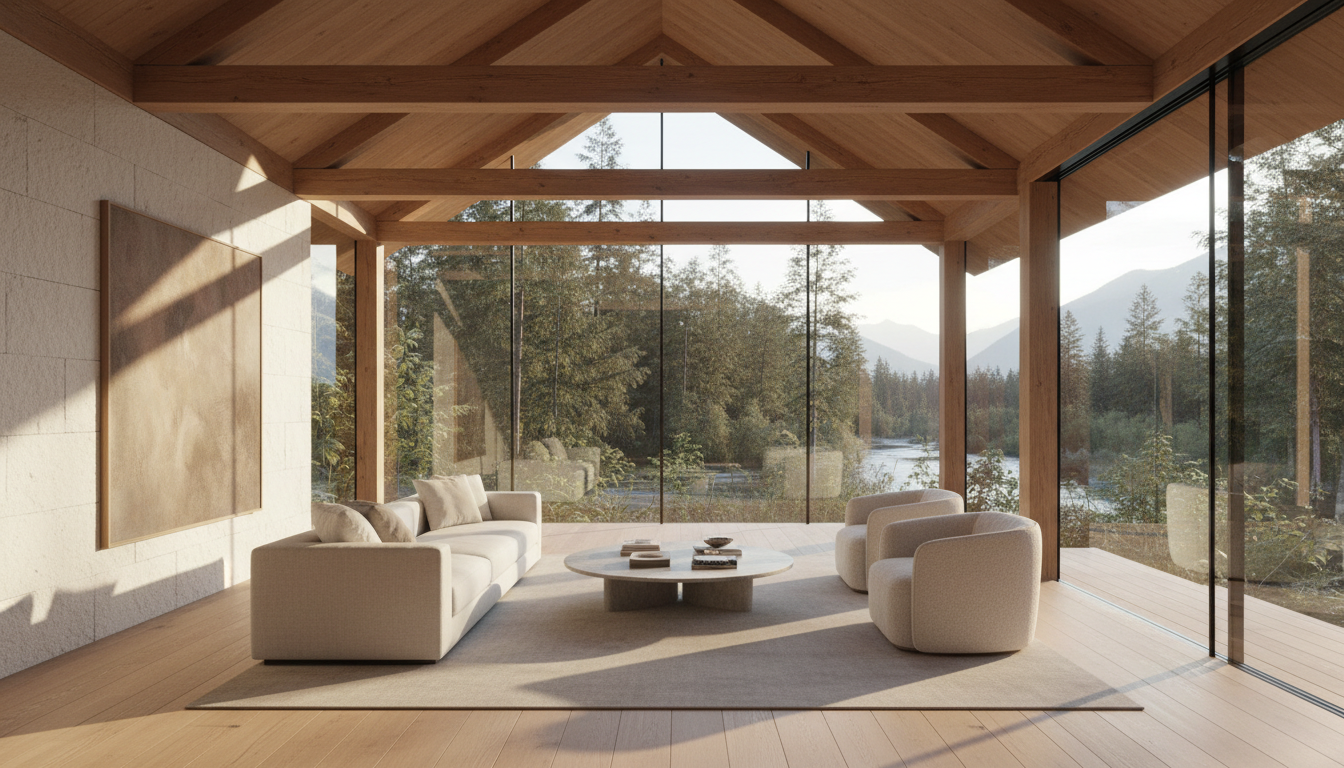
While preserving its historical aspects, the building was upgraded with modern amenities and design features. The interior was redesigned to offer open, airy spaces filled with natural light. Large windows and glass elements were introduced to create a seamless connection with the outside world.
The use of sustainable materials and energy-efficient systems was a key aspect of the renovation. This not only reduced the building's environmental impact but also brought it in line with contemporary standards of sustainability.
The Challenges Faced
Transforming an old building into a modern masterpiece was not without its challenges. The team faced numerous obstacles, from structural issues to the delicate task of integrating new technologies without compromising the building's character.
Coordinating with local authorities to ensure compliance with heritage preservation regulations added another layer of complexity. However, these challenges were met with innovative solutions and a commitment to excellence.
The Impact on the Community
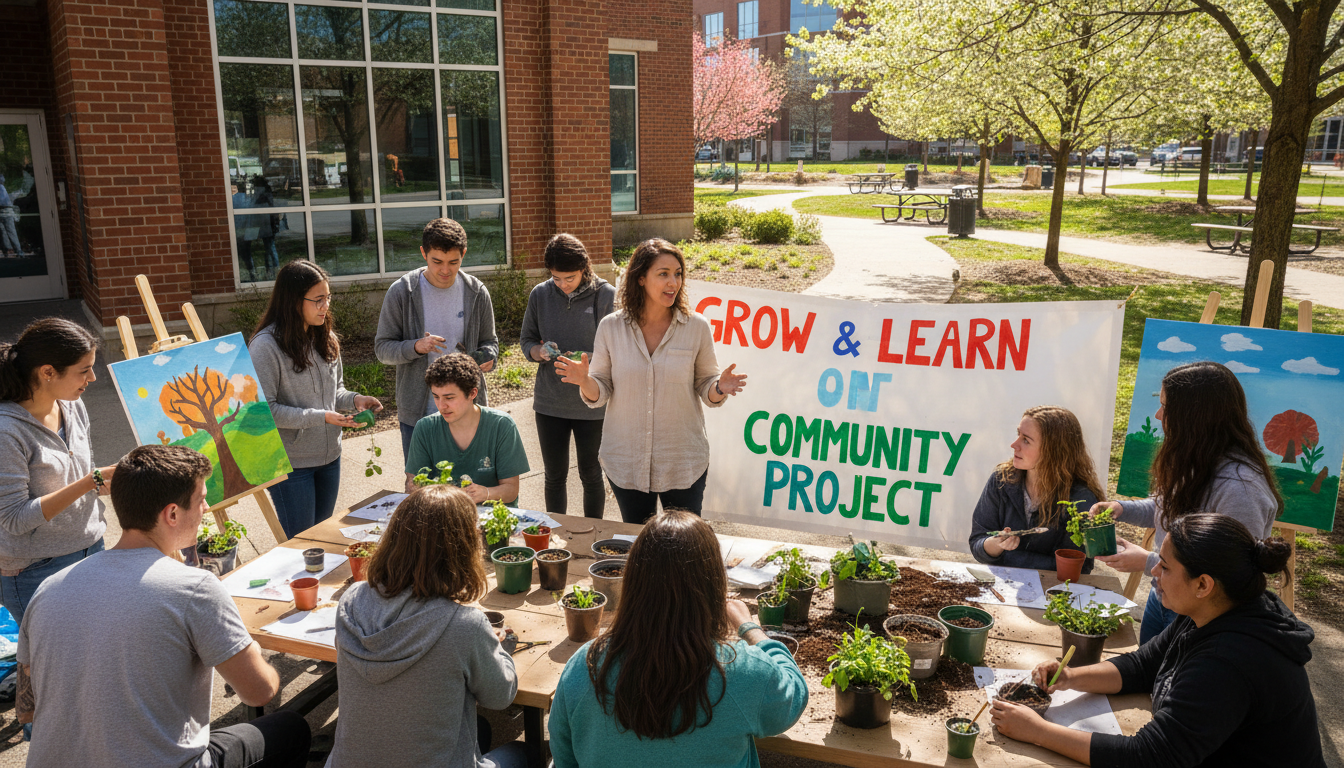
The transformation of this building has had a significant impact on the local community. It has revitalized the area, attracting businesses and tourists alike. The project has also inspired other property owners to invest in preserving and modernizing their buildings.
By blending the old with the new, the project has created a space that honors Lisbon's history while providing a model for sustainable urban development.
Conclusion: A Model for Future Projects
This case study exemplifies how thoughtful design and a respect for historical architecture can lead to remarkable transformations. The building now stands as a symbol of innovation and respect for the past, offering a blueprint for future projects in Lisbon and beyond.
As cities continue to grow and evolve, this project reminds us of the importance of balancing modernization with preservation. It is a testament to what can be achieved when creative vision and community collaboration come together.