Case Study: Transforming a Historical Building in Lisboa


Introduction
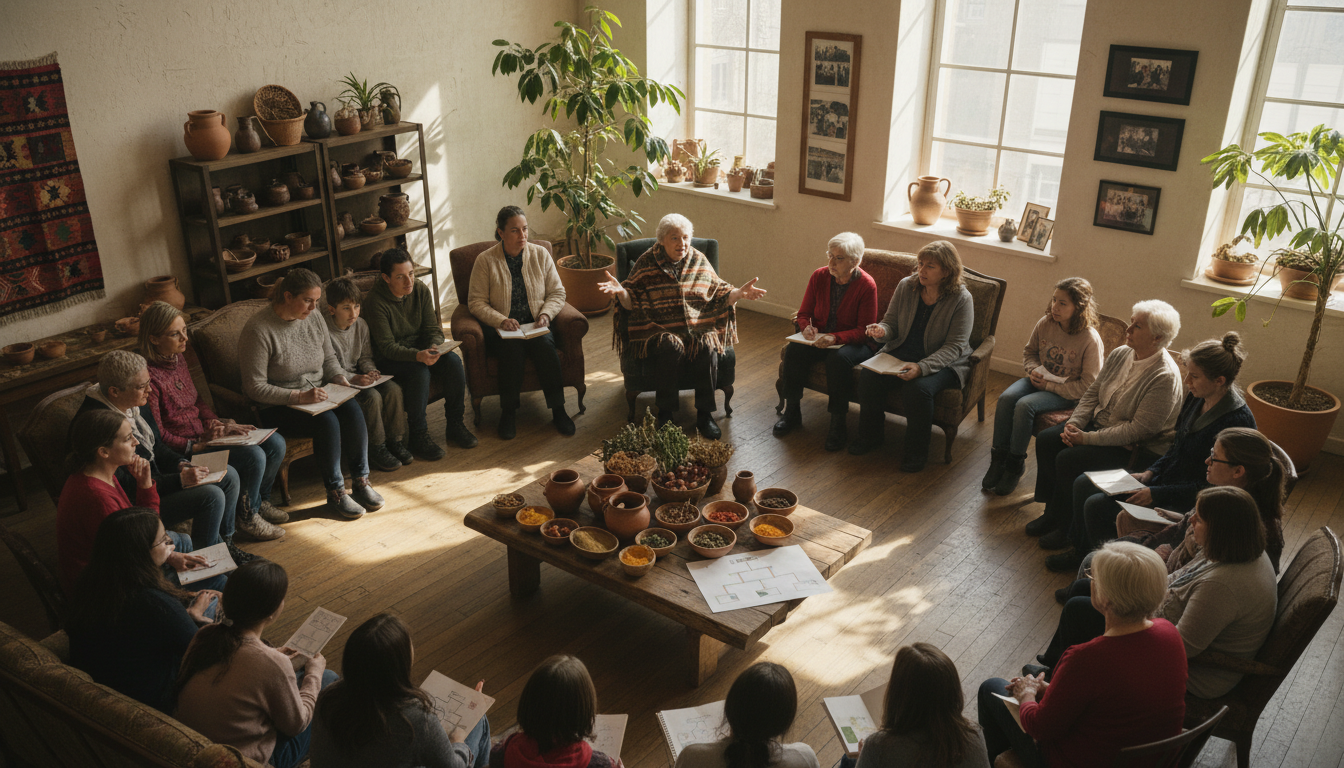
Lisboa, a city known for its rich history and vibrant culture, is home to numerous historical buildings that tell the tales of its past. Transforming these structures while preserving their heritage is a challenge that blends architecture and innovation. This case study explores the transformation of one such historical building, showcasing the delicate balance between restoration and modernization.
The Historical Significance
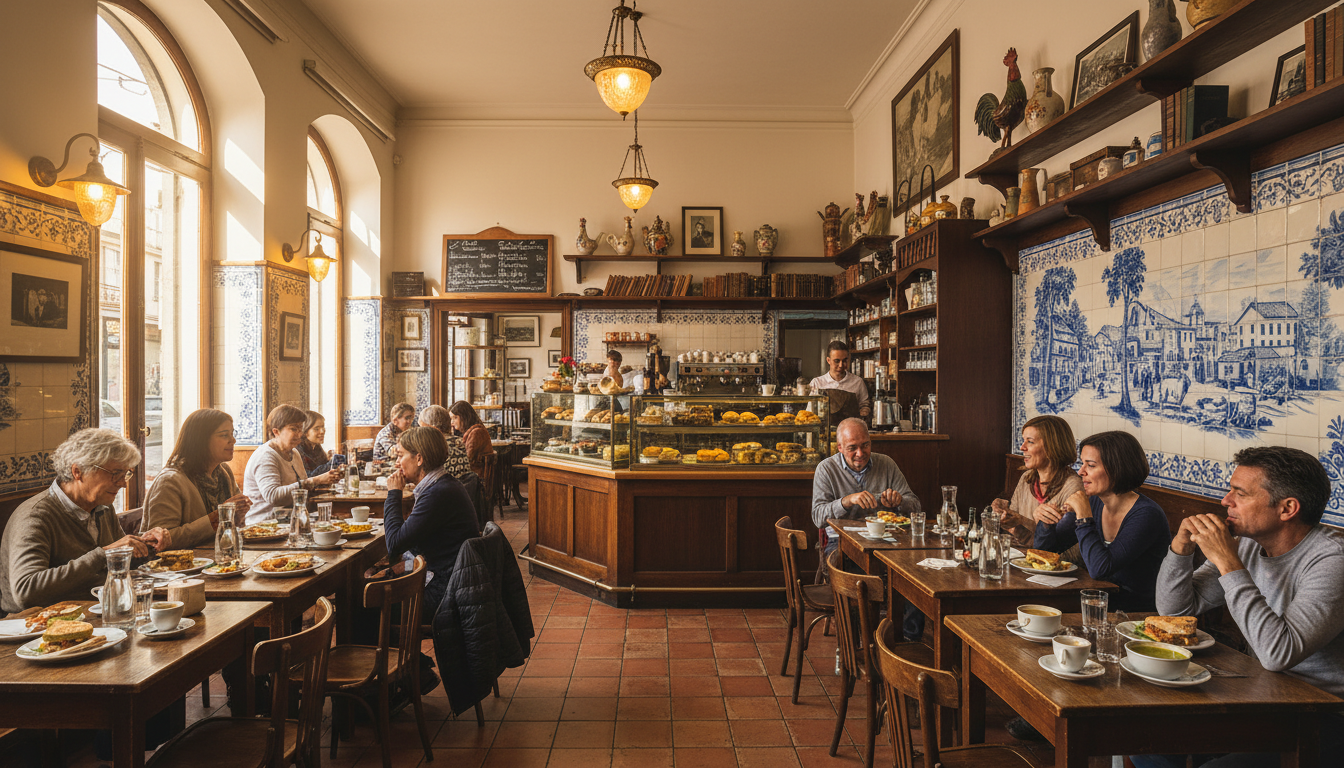
The building in question dates back to the 18th century and served as a key site during significant historical events in Portugal. Its architectural style reflects the grandeur of its time, featuring intricate facades and ornate details. Preserving these elements was crucial to maintain the building's historical significance.
The restoration process was guided by a team of experts in historical architecture, ensuring that each decision honored the building's original design. This phase involved extensive research and collaboration with historians to fully understand the building's past.
Design and Planning
The transformation process required meticulous planning. The objective was to create a functional space that could meet modern needs while preserving the building's heritage. The design team worked on integrating contemporary amenities without altering the core structure.
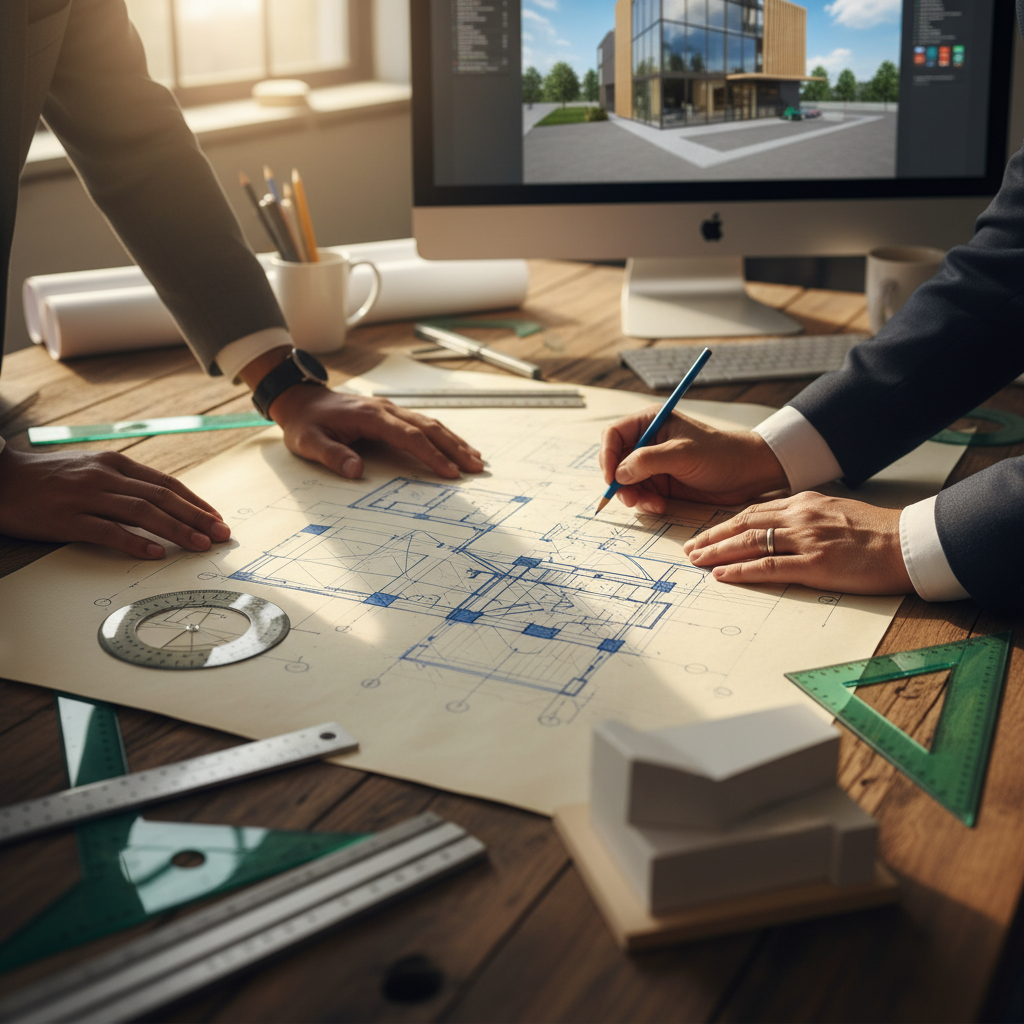
The planning phase included consultations with local authorities and preservation societies to ensure compliance with regulations. This collaborative approach was essential to navigate the complex requirements of transforming a historical site.
Modernization Efforts
Modernizing the building involved several key initiatives. The installation of energy-efficient systems was prioritized to align with sustainability goals. These upgrades included solar panels and advanced insulation techniques to enhance energy efficiency without compromising historical integrity.
- Installation of climate control systems
- Implementation of smart technology for security
- Integration of modern plumbing and electrical systems

Challenges and Solutions
One of the major challenges was the structural integrity of the building. Years of wear and tear had taken their toll, requiring reinforcement measures that would not disrupt the original architecture. The use of modern materials that mimic historical ones was crucial in this phase.
Another challenge was updating the building to meet accessibility standards. Innovative solutions, such as discreet ramps and elevators, were integrated to provide access without altering the building's aesthetic.
Community Impact
The transformation of this historical building has had a significant impact on the local community. It has become a cultural hub, attracting visitors and fostering local businesses. The project has also created job opportunities in both its construction and ongoing operations.
The successful transformation has inspired other restoration projects in Lisboa, highlighting the importance of preserving history while embracing modernity. This case study serves as a testament to the potential of historical buildings to contribute to contemporary society.