
Case Study: Revitalizing Historic Buildings in Lisbon


The Charm of Lisbon's Historic Buildings
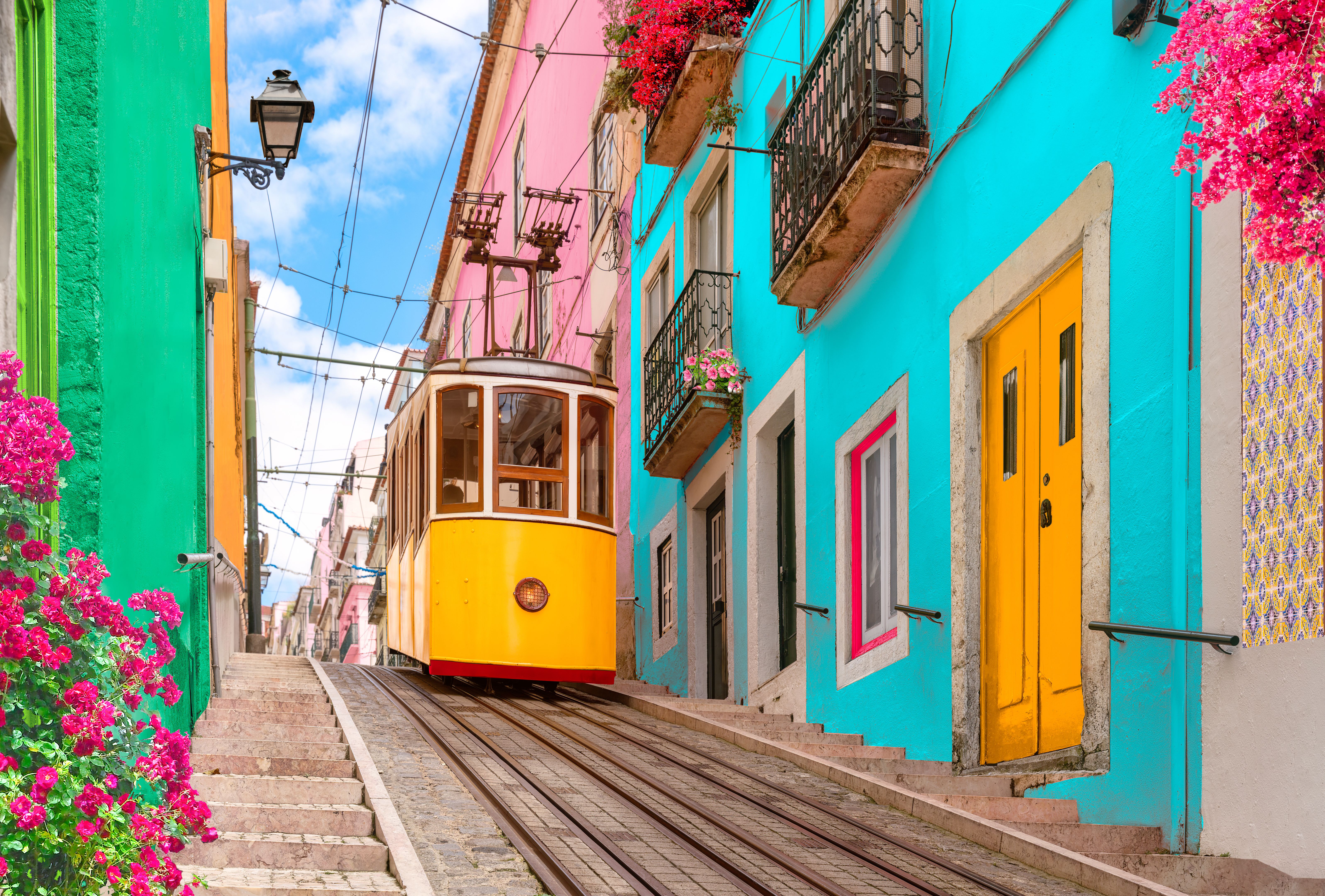
Lisbon, the capital of Portugal, is a city rich in history and architectural beauty. Its historic buildings, with their unique charm, draw visitors from around the world. However, many of these structures face challenges due to aging and neglect.
Revitalizing these historic buildings is crucial not only for preserving cultural heritage but also for boosting tourism and local economies. In recent years, several initiatives have been undertaken to breathe new life into these architectural treasures.
The Importance of Revitalization
Revitalizing historic buildings goes beyond mere preservation. It involves adapting these structures to meet modern needs while maintaining their historical integrity. This process can transform neglected buildings into vibrant spaces for community use, business, and tourism.
Successful revitalization projects contribute to the local economy by attracting tourists, creating jobs, and enhancing property values. They also foster a sense of pride and identity among residents, strengthening community ties.
Successful Case Studies
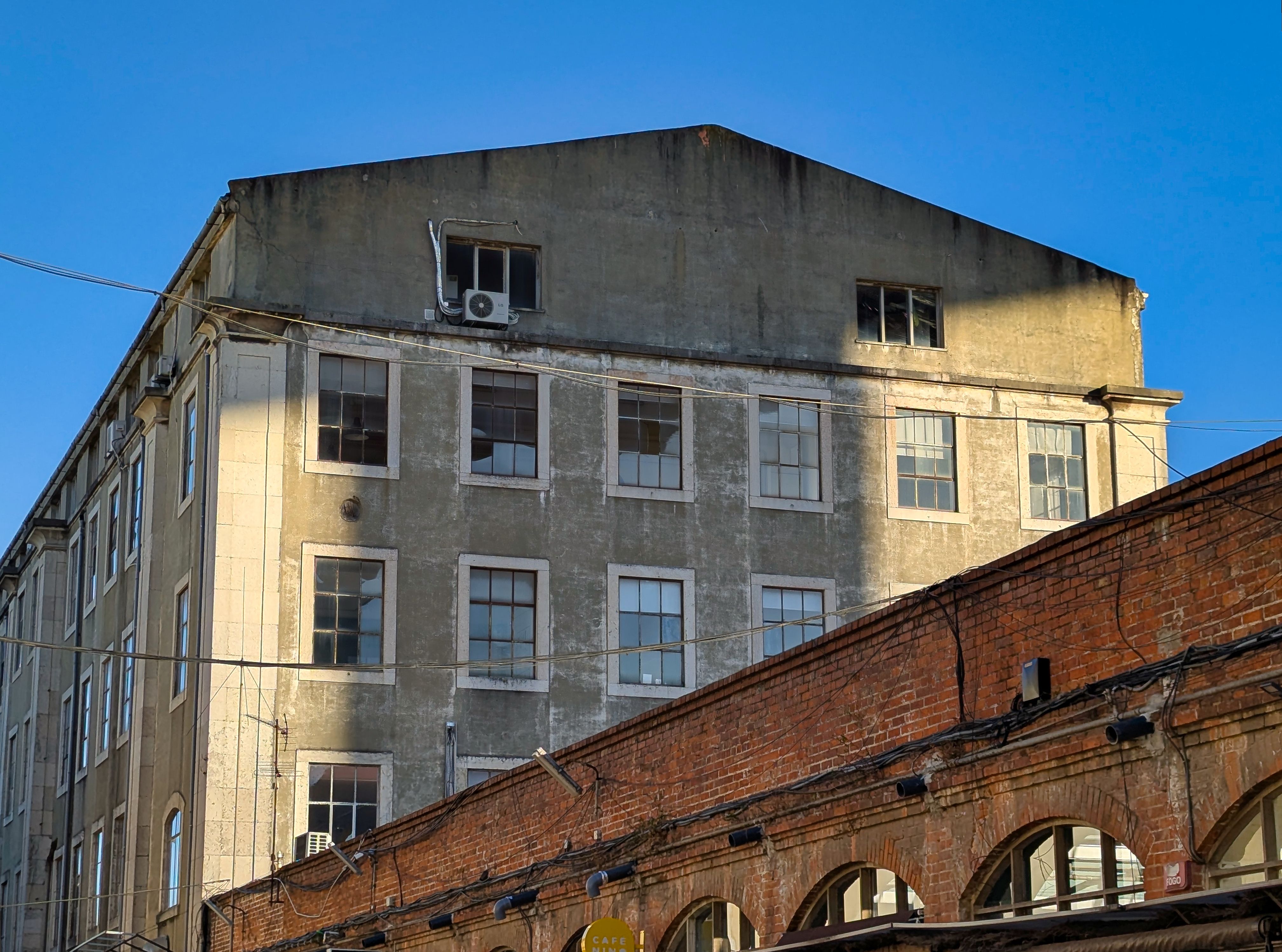
One notable example of successful revitalization in Lisbon is the transformation of the LX Factory. Originally an industrial complex, it has been revitalized into a creative and cultural hub, hosting artists, designers, and entrepreneurs. This transformation has turned the area into a popular destination for both locals and tourists.
Another remarkable project is the restoration of the historic São Jorge Castle. By enhancing visitor facilities and preserving its ancient walls, the castle has become one of Lisbon's most visited attractions, offering stunning views of the city.
Challenges in Revitalization
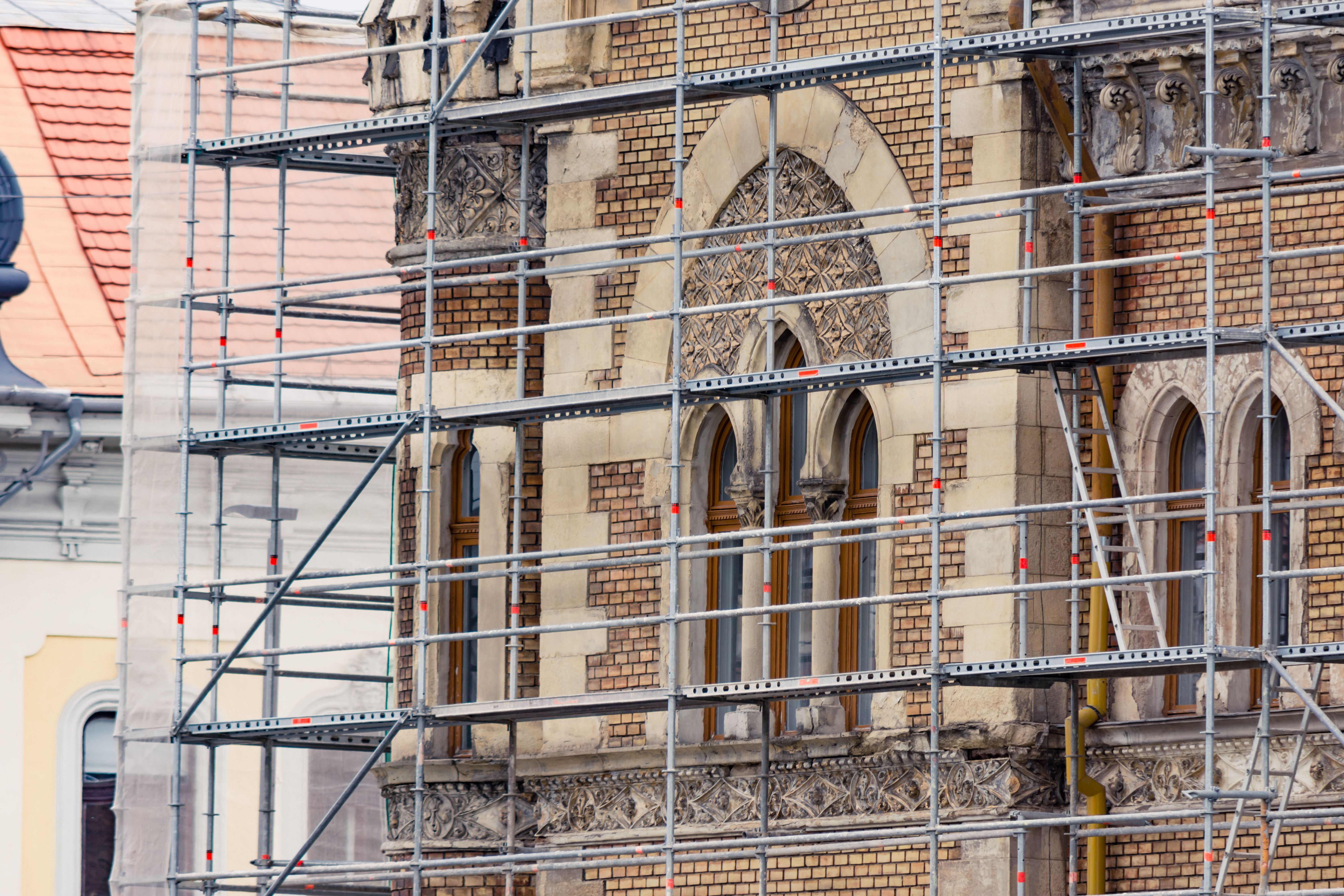
Revitalizing historic buildings is not without its challenges. One major hurdle is balancing modern functionality with historical preservation. Ensuring that renovations meet safety standards while respecting the original architecture requires careful planning and expertise.
Funding can also be a significant obstacle. Revitalization projects often require substantial financial investment, and securing funds from both public and private sectors can be challenging.
Community Involvement and Future Prospects
Community involvement plays a critical role in the success of revitalization projects. Engaging local residents in the planning process ensures that the projects meet community needs and preserve local identity. Public workshops and consultations are effective ways to gather community input and build support.
Looking ahead, the future of Lisbon's historic buildings appears promising. With continued investment and community engagement, these revitalization efforts will ensure that Lisbon's architectural heritage is preserved for future generations.
Conclusion
Revitalizing historic buildings in Lisbon is a vital endeavor that brings numerous benefits to the city. By preserving these cultural landmarks, Lisbon not only honors its past but also paves the way for a vibrant and sustainable future.
As these projects continue, they will serve as inspiring examples of how cities can successfully blend history with modernity, creating spaces that are both functional and beautiful.