
Avoiding Common Pitfalls in Residential Design Projects


Understanding the Client's Vision
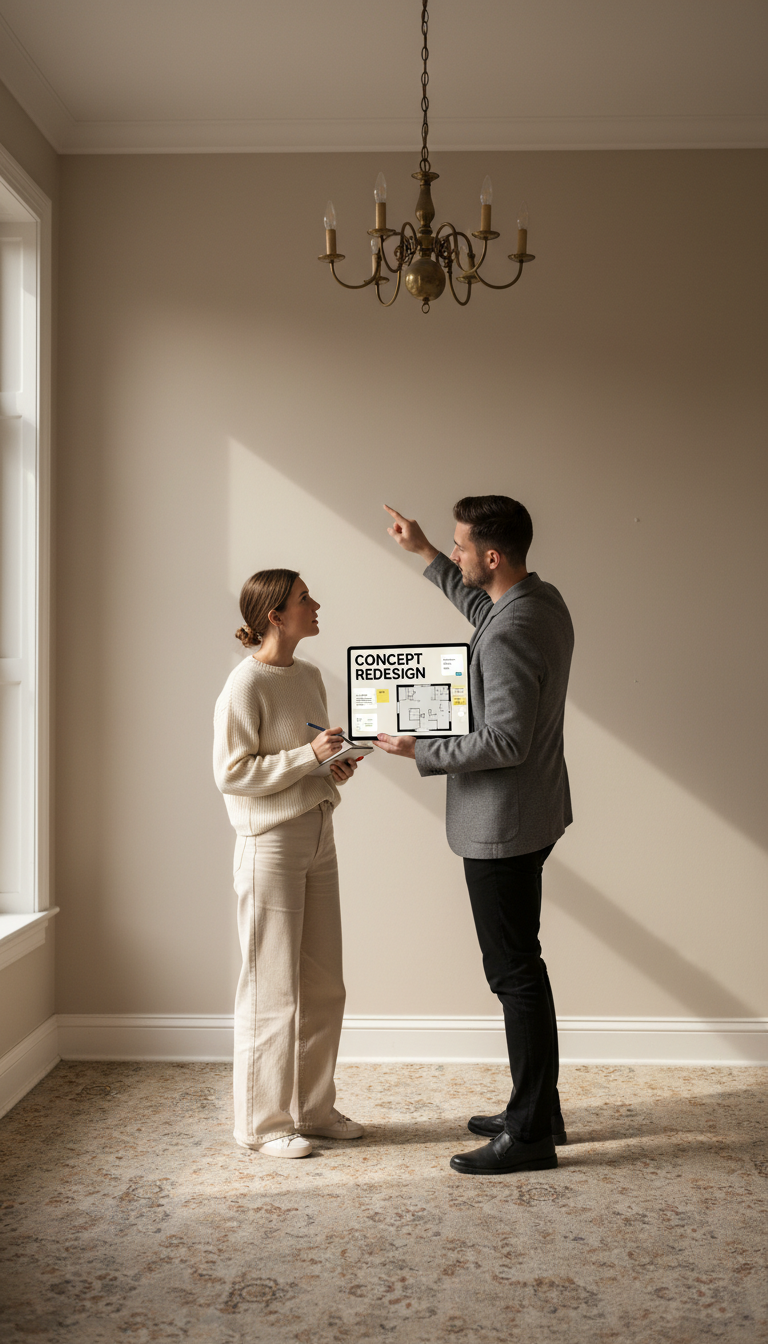
One of the most crucial aspects of residential design is fully understanding the client's vision. Miscommunication can lead to dissatisfaction and costly revisions. Spend ample time in the initial stages to discuss and visualize the client's ideas. Tools like mood boards and 3D models can be invaluable in this process.
Budget Management
A well-planned budget is essential to the success of any design project. It's important to set clear expectations from the beginning. Discuss potential costs in detail and identify areas where the client might be willing to compromise if necessary. A detailed budget plan can help avoid unexpected expenses down the line.
Encourage clients to allocate a contingency fund. This helps cushion any unforeseen expenses and ensures the project stays on track. Regularly update the client on spending to maintain transparency.
Effective Space Planning
Space planning is a critical component of residential design. It involves more than just arranging furniture; it's about creating a functional flow that suits the client's lifestyle. Consider factors such as natural light, traffic patterns, and room functionality when planning the space.
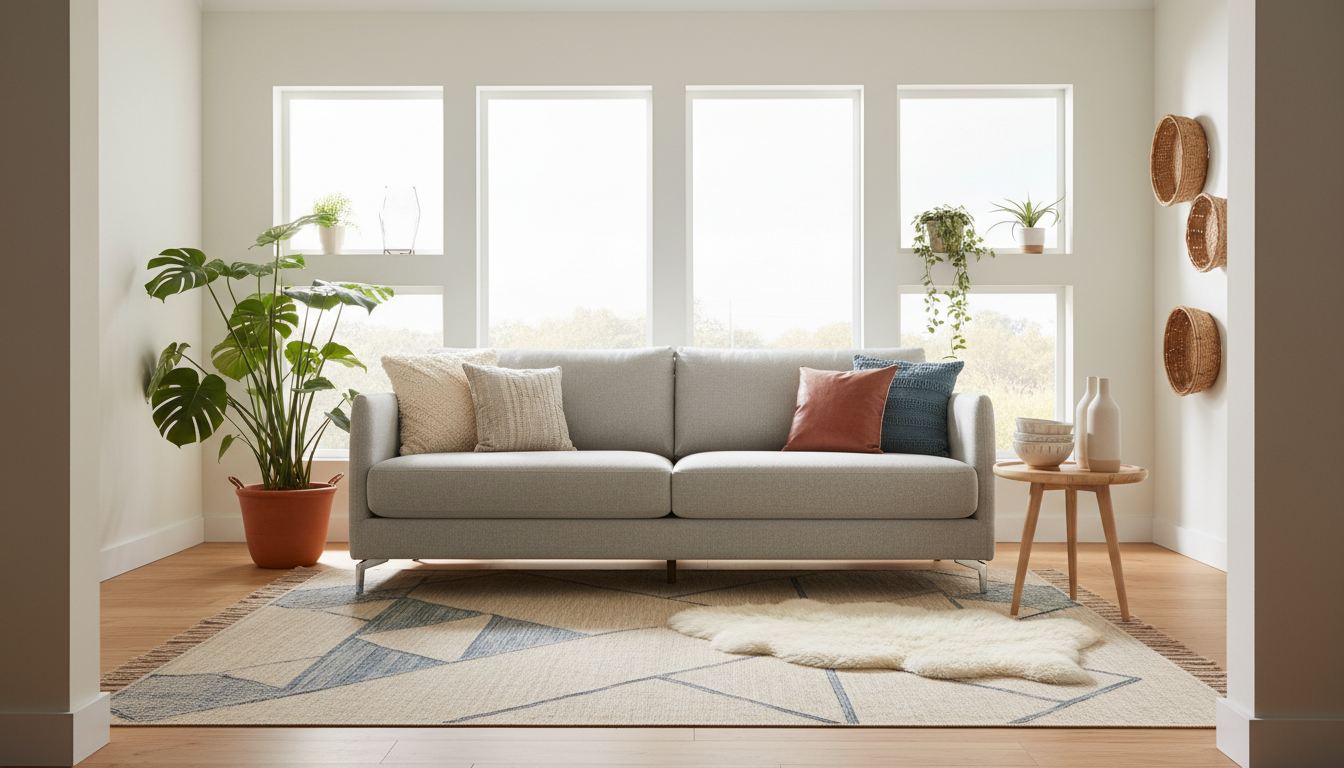
Using digital tools can help visualize different layout options before making any physical changes. This approach minimizes errors and helps the client make informed decisions.
Material Selection
Choosing the right materials is vital for both aesthetics and durability. It's important to balance the client's preferences with practicality. Discuss the pros and cons of different materials, considering factors like maintenance, longevity, and environmental impact.
Encourage clients to invest in high-quality materials for areas with high wear and tear, such as flooring and countertops. This investment can save money in the long run by reducing the need for repairs and replacements.

Staying Updated with Trends
While trends can provide inspiration, it's essential to tailor them to fit the client's personal style and the home's architecture. Design trends come and go, but a well-balanced design that reflects the client's personality will stand the test of time.
Encourage clients to incorporate timeless elements while using trendy accents sparingly. This approach ensures the design remains fresh and relevant without frequent overhauls.
Communication is Key
Maintaining open lines of communication throughout the project is crucial. Regular updates and check-ins help keep the client informed and engaged. This proactive approach can prevent misunderstandings and ensure the project aligns with the client's expectations.

Utilize technology such as project management software to streamline communication and document progress. This not only enhances efficiency but also builds trust with the client.
Permits and Regulations
Understanding local building codes and obtaining the necessary permits is a fundamental step in residential design projects. Failing to comply with regulations can lead to delays and additional costs. Collaborate with professionals who are well-versed in local laws to ensure everything is in order.
Early involvement with contractors and inspectors can help identify potential issues before they escalate, saving time and resources.
Post-Completion Follow-Up
After the project is completed, a follow-up with the client can provide valuable feedback and establish a lasting relationship. This step allows you to address any concerns and ensure client satisfaction. A happy client can lead to referrals and future projects.
Consider offering maintenance tips or a brief guide on caring for new installations. This gesture shows commitment to quality and customer care.