
A Guide to Sustainable Architectural Design in Portugal


Understanding Sustainable Architectural Design
Sustainable architectural design focuses on creating buildings that are environmentally friendly and resource-efficient throughout their lifecycle. This approach minimizes the negative impact on the environment while prioritizing the health and comfort of the occupants. In Portugal, a country known for its rich architectural heritage, integrating sustainability into design is becoming increasingly important.
Incorporating Local Materials
Using local materials is a cornerstone of sustainable design. In Portugal, this often means utilizing materials like cork, stone, and wood that are readily available and have a lower environmental impact. These materials not only reduce transportation emissions but also blend harmoniously with the natural landscape.
For example, cork is a popular choice due to its excellent insulation properties and renewability. It helps maintain comfortable indoor temperatures, reducing the need for artificial heating and cooling.
Energy Efficiency Strategies
Maximizing energy efficiency is crucial in sustainable architecture. In Portugal, architects often incorporate passive solar design, which takes advantage of the country’s abundant sunlight. This involves positioning buildings to maximize natural light and heat during winter while minimizing it in summer.
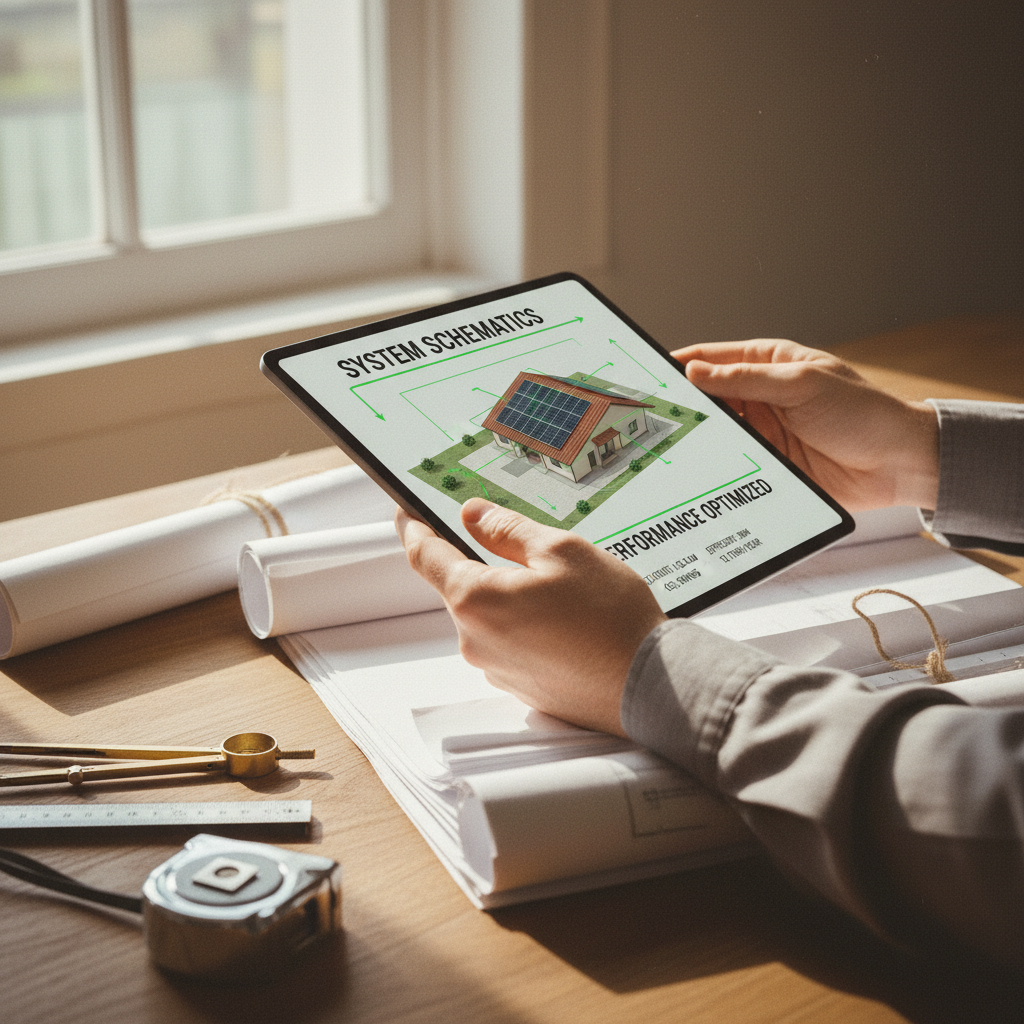
Additionally, the use of energy-efficient appliances and LED lighting can significantly reduce a building’s energy consumption. Implementing renewable energy sources, such as solar panels, further enhances sustainability by providing clean energy.
Water Conservation Techniques
Water conservation is another essential aspect of sustainable design. In Portugal, where water scarcity can be an issue, architects are integrating systems like rainwater harvesting and greywater recycling into their designs. These systems collect and reuse water for non-potable uses, such as irrigation and toilet flushing, reducing the strain on local water supplies.
Low-flow fixtures and smart irrigation systems also contribute to significant water savings, ensuring that every drop is used efficiently.
Promoting Biodiversity
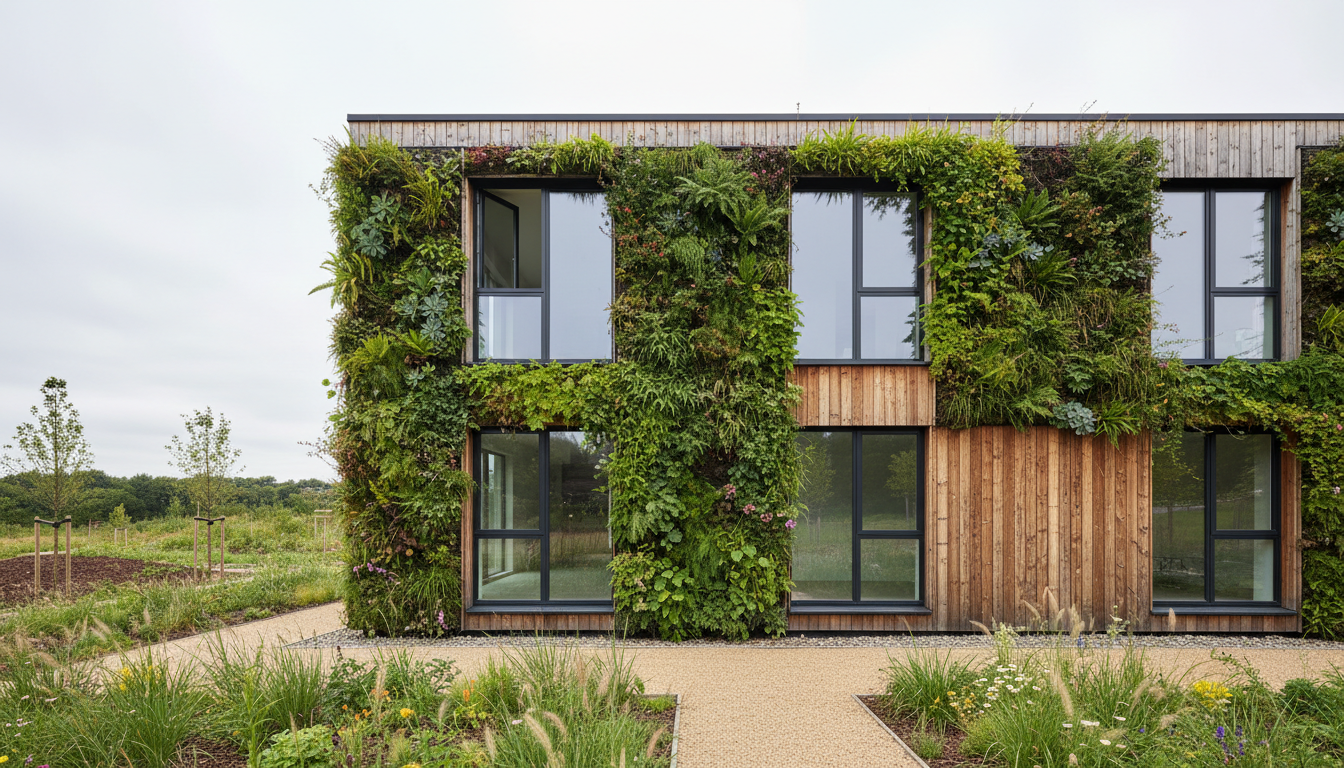
Sustainable architectural design in Portugal also focuses on promoting biodiversity. Green roofs and walls are popular features that provide habitats for local flora and fauna. These elements not only enhance the aesthetic appeal of a building but also contribute to urban cooling and improved air quality.
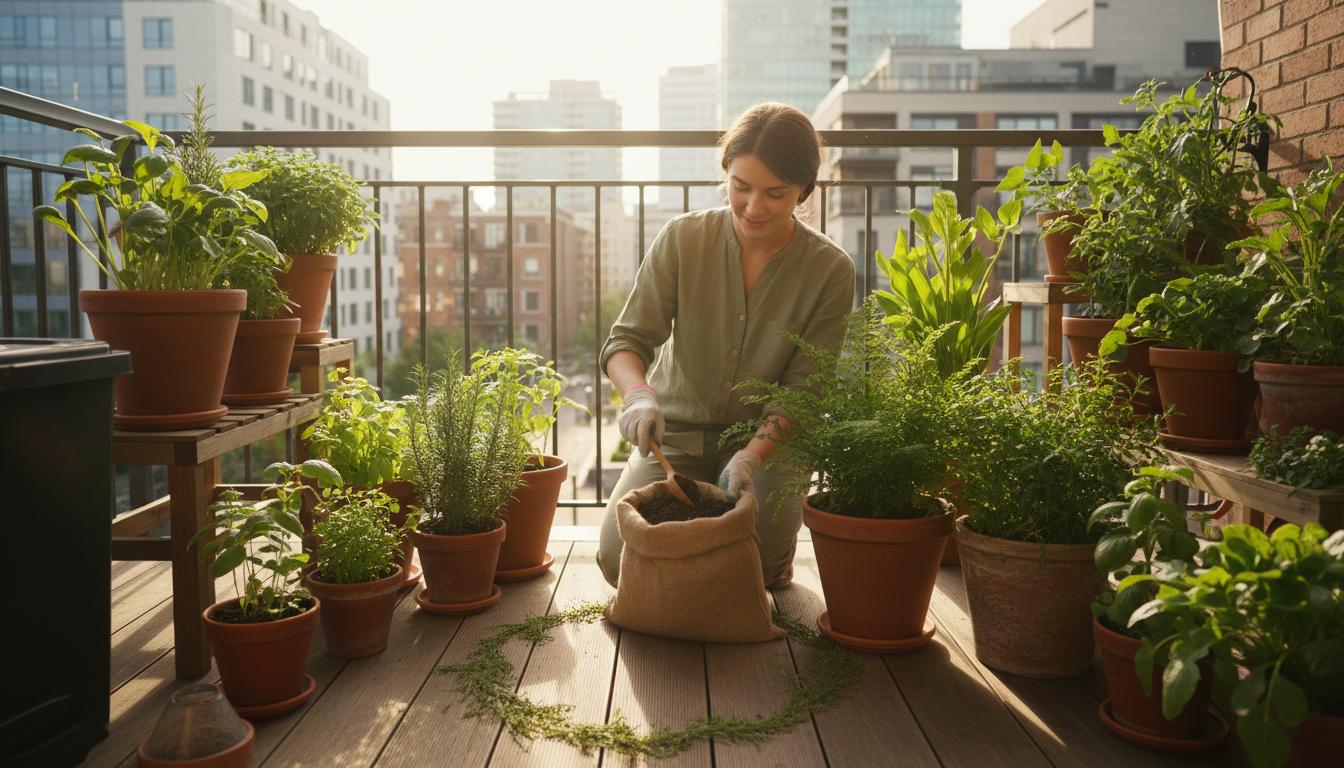
By integrating green spaces into architectural designs, architects can create environments that support ecological health and offer residents a connection to nature.
Community and Cultural Integration
Sustainable design is not just about environmental impact; it also considers social and cultural factors. In Portugal, respecting the local culture and community needs is integral to sustainable architecture. This might involve preserving historical structures or designing new buildings that complement the existing architectural landscape.
Engaging with local communities during the design process ensures that new developments meet the needs of residents while preserving cultural heritage.
The Future of Sustainable Design in Portugal
As awareness of environmental issues grows, sustainable architectural design in Portugal is set to become even more prevalent. Architects are continually exploring innovative materials and technologies to reduce the environmental footprint of buildings.
With a commitment to sustainability, Portugal can lead the way in demonstrating how thoughtful design can enhance both the built and natural environments.