
A Guide to Designing Sustainable Architecture Projects in Lisboa


Understanding Sustainable Architecture
Sustainable architecture focuses on reducing the negative environmental impact of buildings by enhancing efficiency and moderation in the use of materials, energy, and development space. In Lisboa, this approach is gaining traction as architects and developers recognize the importance of creating eco-friendly urban spaces.
Lisboa, with its rich history and cultural heritage, offers a unique backdrop for sustainable projects. The city’s commitment to sustainability is evident in its policies and community support for green building initiatives.
Key Principles of Sustainable Design
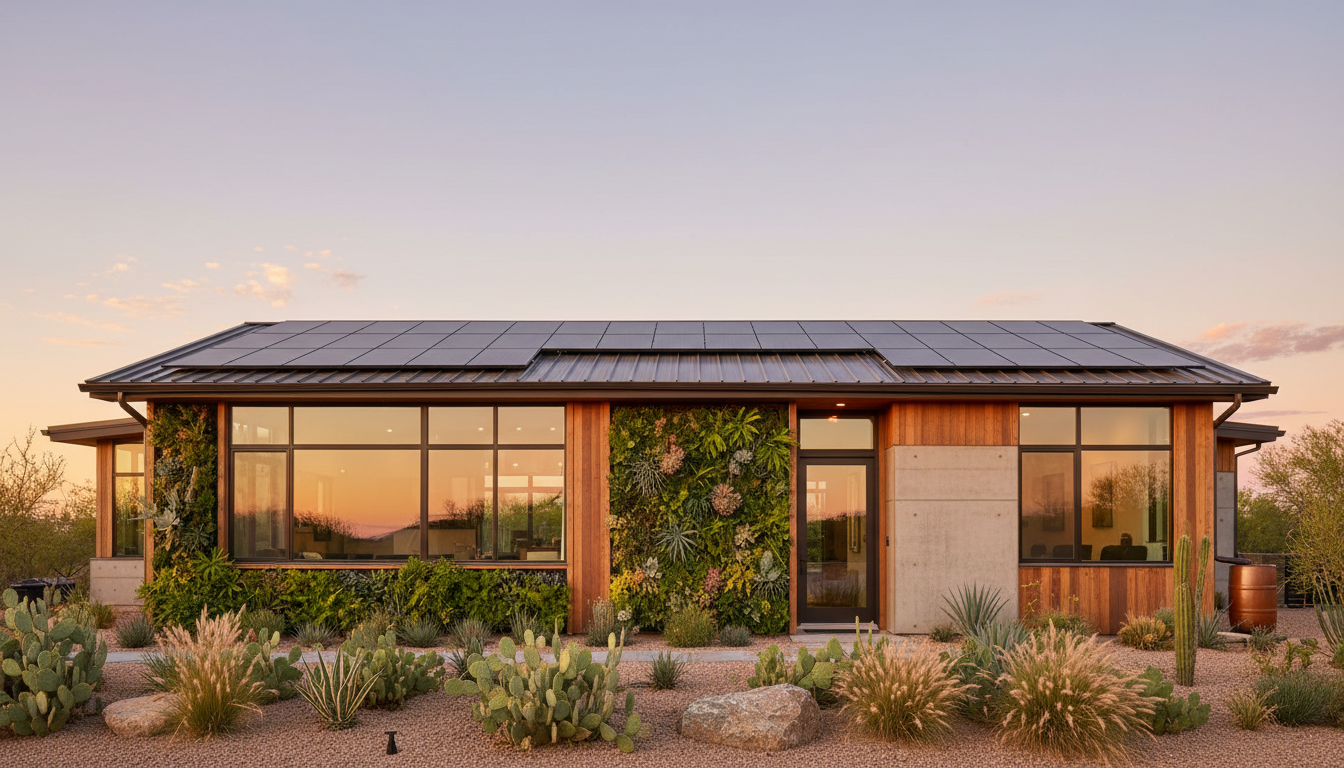
When designing sustainable architecture projects in Lisboa, several key principles should be considered. These include energy efficiency, choice of materials, and the integration of renewable energy sources.
Energy efficiency is crucial, as it reduces the carbon footprint of buildings. This can be achieved through proper insulation, the use of energy-efficient appliances, and smart building technologies.
Materials and Resources
The choice of materials plays a significant role in sustainability. Opt for locally sourced and recycled materials to minimize transportation emissions and support the local economy. Additionally, using materials that are durable and require minimal maintenance can enhance the building's sustainability.

Incorporating renewable energy sources, such as solar panels and wind turbines, can dramatically reduce reliance on non-renewable energy. Lisboa’s sunny climate makes solar energy a particularly viable option for many projects.
Design Strategies for Lisboa’s Climate
Lisboa’s Mediterranean climate, characterized by hot, dry summers and mild, wet winters, offers both challenges and opportunities for sustainable architecture. Key design strategies include optimizing natural light and ventilation.
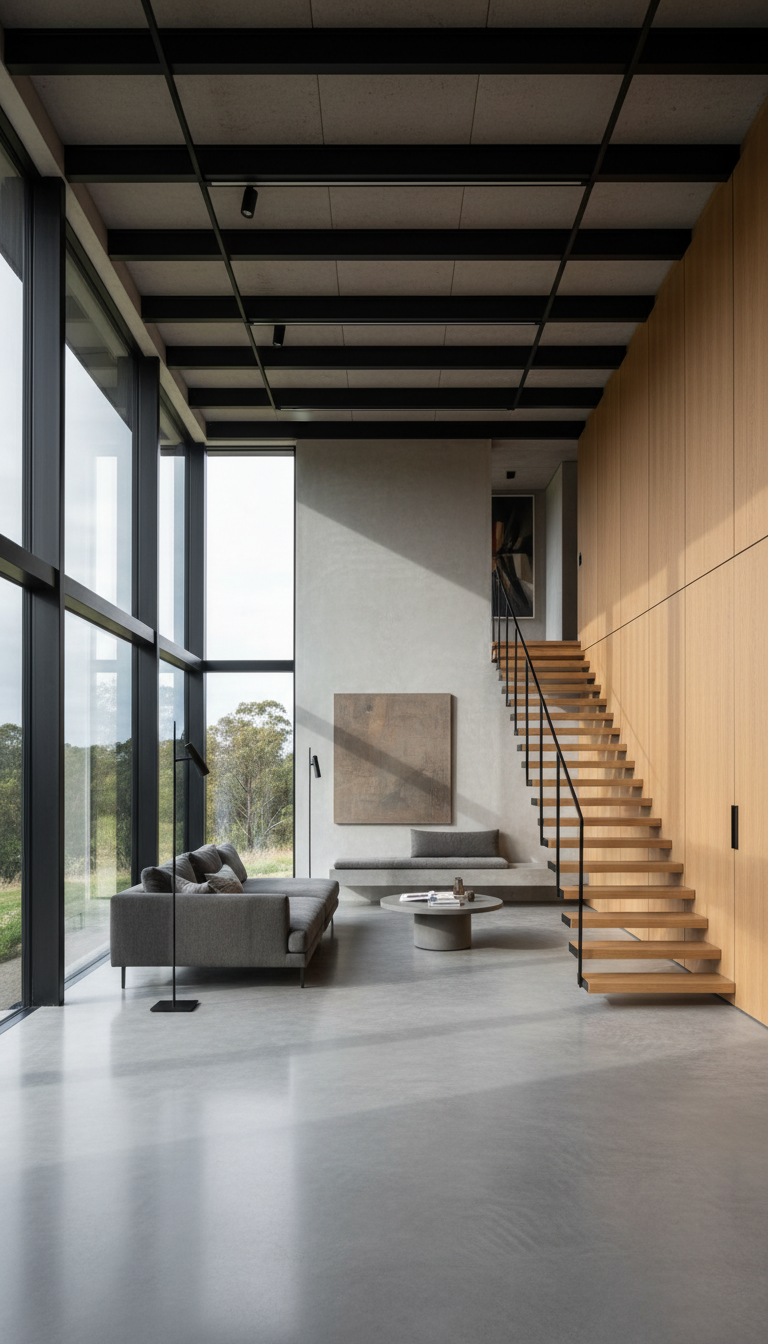
Using large windows and skylights can maximize natural light, reducing the need for artificial lighting. Additionally, strategically placed windows and vents can facilitate natural ventilation, maintaining indoor air quality and comfort.
Water Conservation Techniques
Water conservation is another critical aspect of sustainable design. Implementing systems for rainwater harvesting and greywater recycling can significantly reduce water consumption. These systems not only conserve water but also reduce utility costs, providing long-term benefits for building owners.
Furthermore, selecting native and drought-resistant plants for landscaping can minimize water use, aligning with Lisboa’s climate and ecological conditions.
Community and Cultural Integration
Finally, sustainable architecture in Lisboa should consider the integration of community and cultural elements. Designing spaces that reflect local traditions and engage the community can enhance the project’s social sustainability.
Community engagement in the planning process ensures that projects meet local needs and preserve Lisboa’s unique cultural heritage. This approach fosters a sense of ownership and pride among residents.

In conclusion, designing sustainable architecture projects in Lisboa requires a comprehensive approach that considers environmental, economic, and social factors. By embracing these principles, architects and developers can contribute to a more sustainable and vibrant city.