A Beginner's Guide to DIY Architectural Design: What You Need to Know


Understanding Basic Architectural Concepts
Embarking on a DIY architectural design project can be both exciting and daunting. Before diving into the creative process, it's crucial to understand some basic architectural concepts. This foundation will help you make informed decisions and create a functional, aesthetically pleasing space.
Start by familiarizing yourself with key terms like scale, proportion, and balance. These elements are fundamental in ensuring that your designs are not only visually appealing but also structurally sound.
Gathering Inspiration and Setting Goals
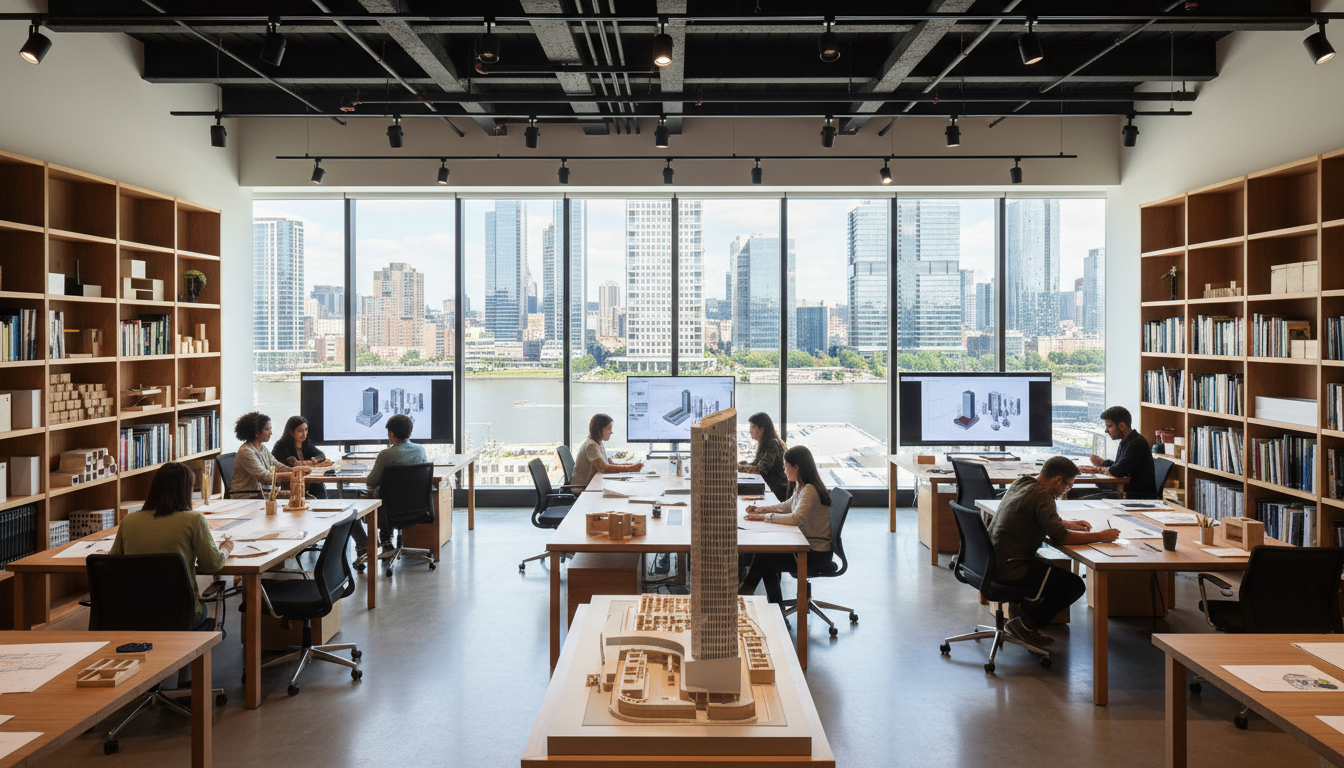
Before putting pen to paper, gather inspiration from various sources. Browse architecture magazines, websites, and social media platforms to identify styles and elements you love. Create a mood board to visualize your ideas.
Setting clear goals for your project is essential. Ask yourself questions like: What is the purpose of this space? How do I want it to feel? Who will be using it? Defining these objectives will guide your design decisions and keep you focused.
Tools and Resources You'll Need
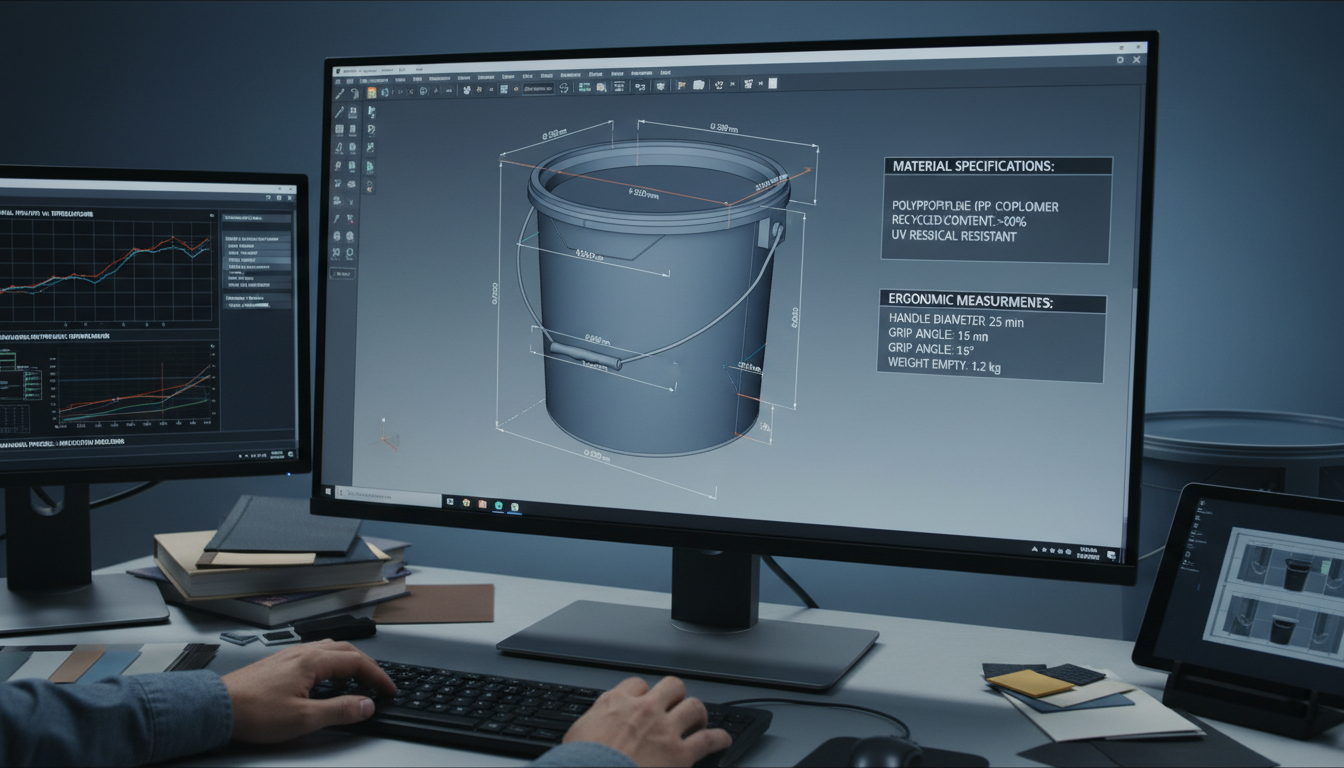
Equipping yourself with the right tools and resources is crucial for a successful DIY architectural design project. Consider investing in design software like SketchUp or AutoCAD, which can help you create detailed plans and 3D models.
Additionally, utilize online tutorials and courses to enhance your design skills. Many platforms offer free resources that can provide you with valuable insights and techniques.
Creating a Functional Floor Plan
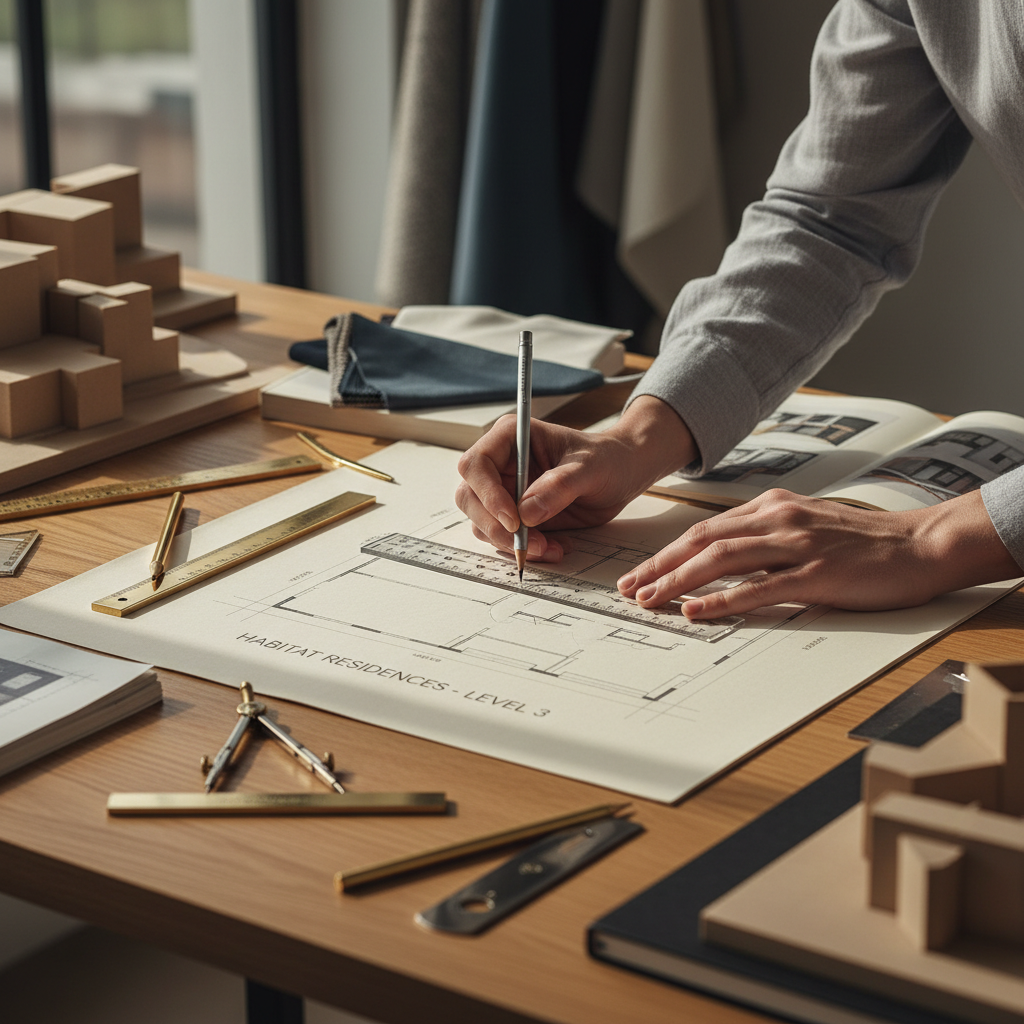
A functional floor plan is the backbone of any successful architectural design. Start by sketching a rough layout of your space, considering the flow and functionality. Think about how different areas will connect and how people will move through the space.
Make sure to include essential elements like doors, windows, and furniture. This will help you visualize the space and make necessary adjustments before finalizing your design.
Considering Structural and Safety Aspects
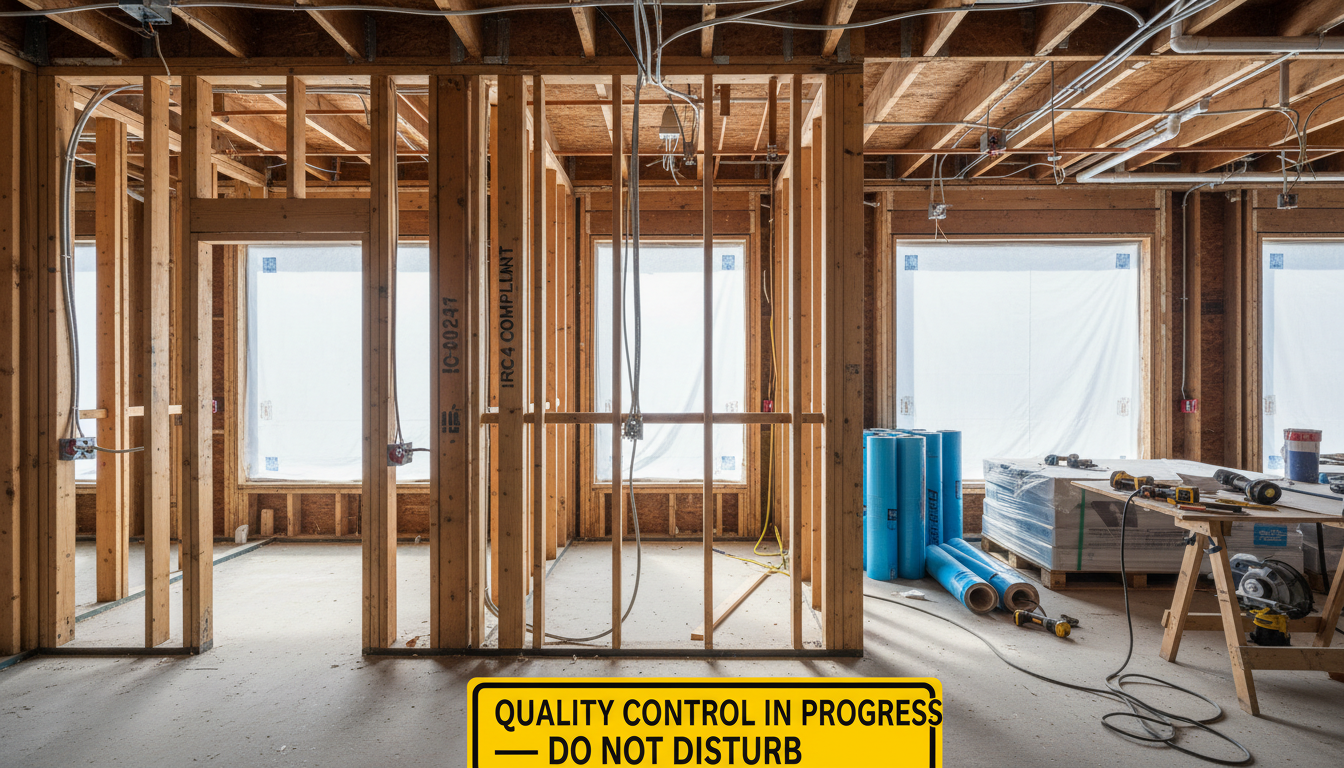
While aesthetics are important, ensuring the structural integrity and safety of your design is paramount. Familiarize yourself with local building codes and regulations to ensure compliance.
Consulting with a professional architect or structural engineer might be necessary, especially for more complex projects. They can provide expert advice and ensure that your design is both safe and feasible.

Experimenting with Materials and Textures
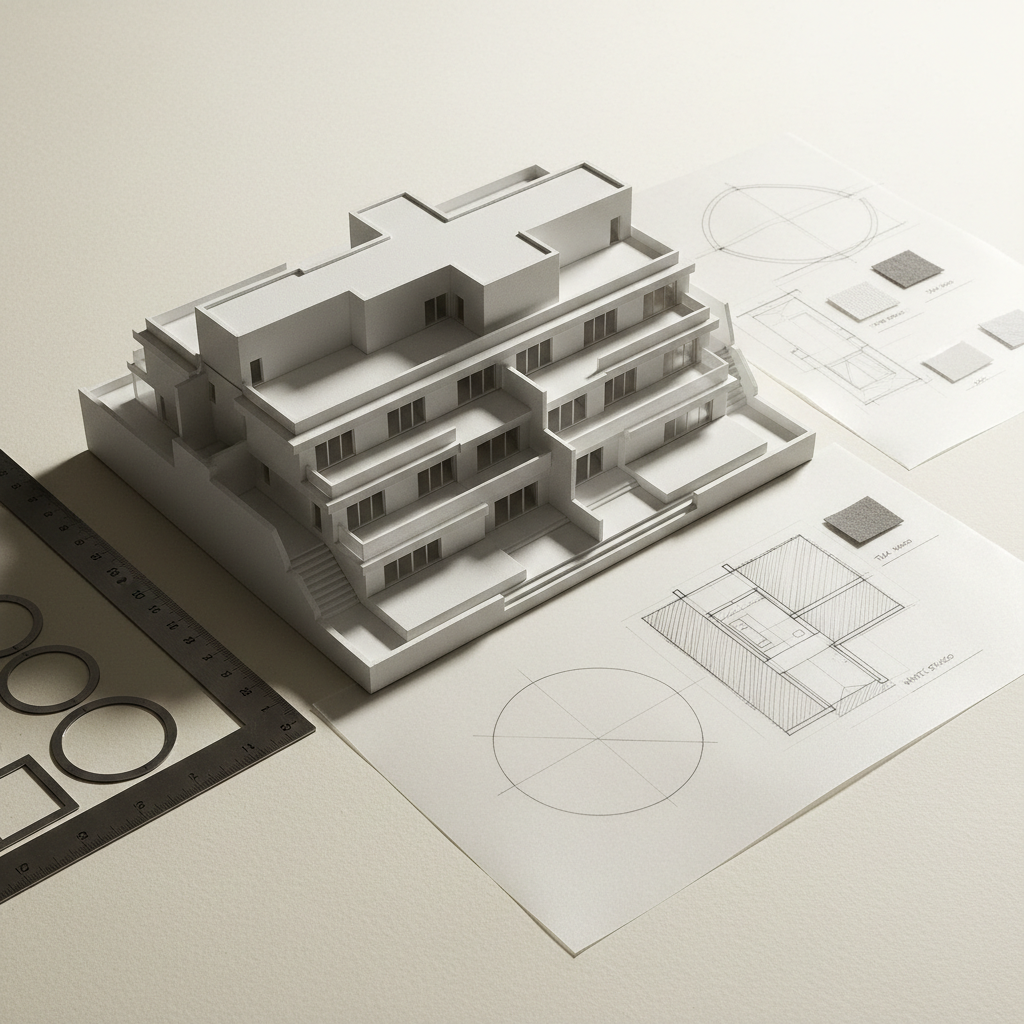
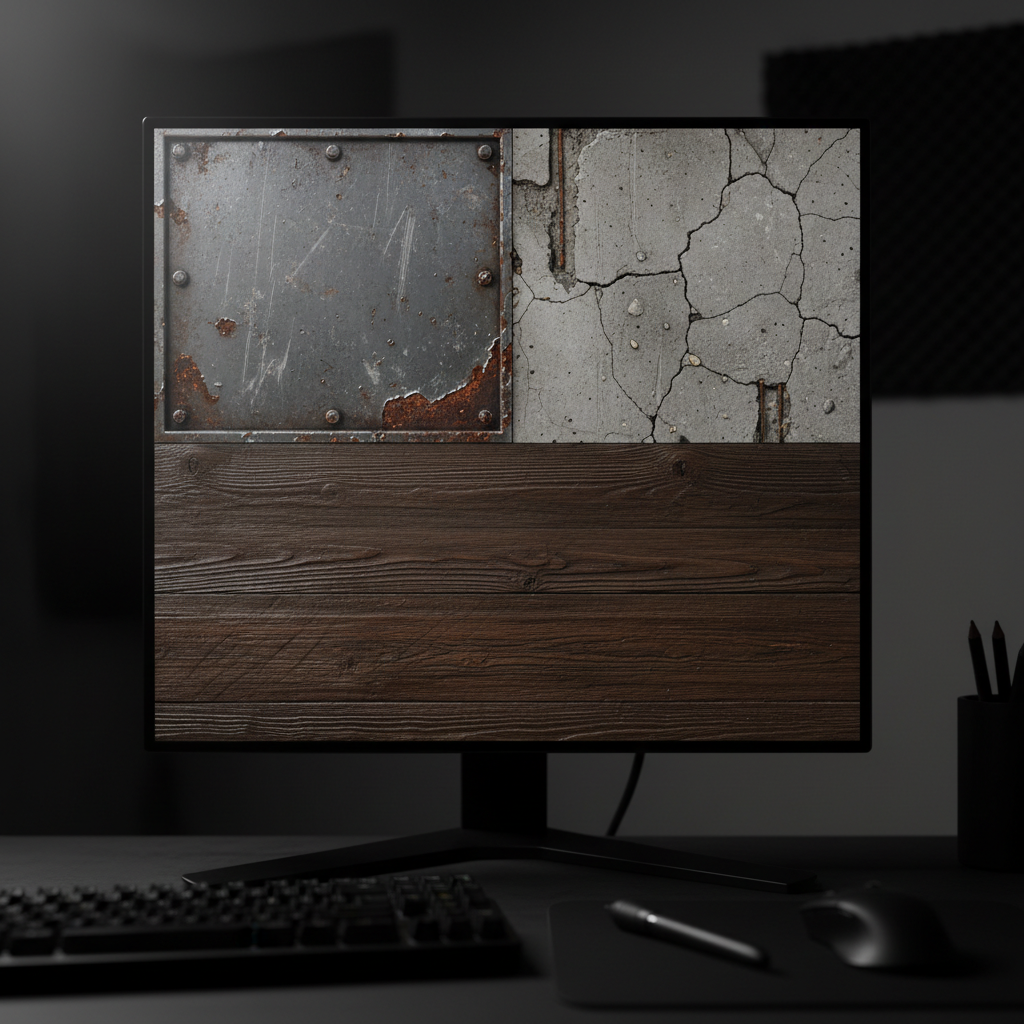
Choosing the right materials and textures can significantly impact the look and feel of your space. Experiment with different options to see what works best for your design. Consider factors like durability, cost, and maintenance.
Don't be afraid to mix and match materials to create unique contrasts and visual interest. Combining wood, metal, and glass, for example, can add depth and character to your design.
Finalizing Your Design
Once you've refined your plans and made necessary adjustments, it's time to finalize your design. Review your goals and ensure that the final layout aligns with your initial vision. Pay attention to details like lighting, color schemes, and furniture placement.
Remember, a well-thought-out design is a balance of aesthetics, functionality, and practicality. Take your time to perfect each element before moving on to the construction phase.

Moving Forward with Construction
With a solid design in place, you're ready to move forward with the construction phase. Whether you plan to tackle some aspects yourself or hire professionals, ensure that the execution aligns with your vision.
Stay involved in the process, communicate regularly with contractors, and be open to making adjustments as needed. This proactive approach will help you achieve the desired outcome and bring your DIY architectural design to life.